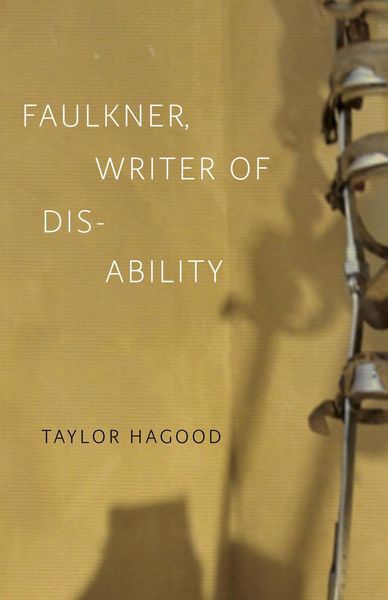
Faulkner, Writer of Disability
20,10 €
inkl. gesetzl. MwSt.Beschreibung
Produktdetails
Format
ePUB
Kopierschutz
Ja
Family Sharing
Nein
Text-to-Speech
Ja
Erscheinungsdatum
12.01.2015
Verlag
LAPA PublishersSeitenzahl
232 (Printausgabe)
Dateigröße
2145 KB
Sprache
Englisch
EAN
9780807157282
From the emerging field of disability studies, Taylor Hagood offers the first book-length consideration of impairment in William Faulkner's life and writing. Blending biography, textual analysis, and theory in an experimental style, Hagood explores in both form and content the constructs of normality and their power.
Hagood brings to light little-known and rarely discussed ways in which Faulkner's personal and familial background were marked by disability and discusses the ways the writer incorporates disability into his fiction. He reevaluates Faulkner's so-called "idiots"-Benjy Compson, Ike Snopes, and others-as characters whose narratives both satisfy and shock the reader. Hagood also examines the roles that impairment and abnormality play in texts such as the stories "The Leg" and "The Kingdom of God" and the novels A Fable and Flags in the Dust.
Highly original readings result, including new understandings of: the centrality of the visually impaired Pap in Sanctuary; the disability-centric social order based on interdependence in Pylon; and the disabled speech of Linda Snopes Kohl in The Mansion. Hagood argues that Faulkner's poetics are deeply invested in disability, both in promoting a disability-inclusive fictional world and in exposing and subverting the devaluation of disabled bodies and minds.
Hagood draws on firsthand knowledge of his native of Ripley, Mississippi, the ancestral home of the Faulkners, to offer readers otherwise inaccessible contextual information. Moreover, by framing each section of his study within a different kind of discourse-newspaper style, biography, email, and advertisement-he uses the very structure of the book to underscore the questions of normalcy prevalent in disability studies. This rich and unconventional study offers insight into a Faulkner haunted by experiences of disablement and compelled to narrate them in his own writing.
Noch keine Bewertungen vorhanden
Verfassen Sie die erste Bewertung zu diesem Artikel
Helfen Sie anderen Kundinnen und Kunden durch Ihre Meinung.
Kurze Frage zu unserer Seite
Vielen Dank für Ihr Feedback
Wir nutzen Ihr Feedback, um unsere Produktseiten zu verbessern. Bitte haben Sie Verständnis, dass wir Ihnen keine Rückmeldung geben können. Falls Sie Kontakt mit uns aufnehmen möchten, können Sie sich aber gerne an unseren Kund*innenservice wenden.
zum Kundenservice