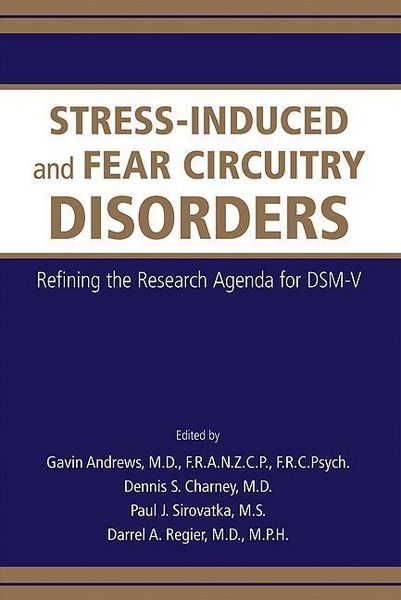
Stress-Induced and Fear Circuitry Disorders Refining the Research Agenda for DSM-V
-
- Einzelkauf Download ausgewählt
-
Sprache:Englisch
61,20 €
inkl. gesetzl. MwSt.Beschreibung
Produktdetails
Format
ePUB
Kopierschutz
Ja
Family Sharing
Nein
Text-to-Speech
Ja
Erscheinungsdatum
20.02.2009
Herausgeber
Gavin Andrews + weitereVerlag
American Psychiatric Association PublishingSeitenzahl
330 (Printausgabe)
Dateigröße
2710 KB
Sprache
Englisch
EAN
9780890426555
As disorders in which stress or fear play major roles present an increasing need for psychiatric care around the world, this volume summarizes current research to determine whether a specific group of stress-induced and fear-based disorders form a distinct syndrome independent from other anxiety disorders such as obsessive-compulsive disorder or generalized anxiety. Intended to suggest DSM-V revisions regarding the classification of these disorders, Stress-Induced and Fear Circuitry Disorders reflects findings that may lead to more refined treatments for these specific anxiety disorders based on a better understanding of the biological and environmental factors that contribute to their development and symptoms.
Thirty contributors, all international authorities on this group of mental illnesses, clarify how these disorders develop and what factors contribute to symptomatology. Focusing on posttraumatic stress disorder, panic disorder and agoraphobia, social phobias, and specific phobia, the authors explore the possibility of linking the classification and etiology of these conditions by showing that they may be closely related in terms of brain pathophysiology. In addition to assessing the stability of disorders across patient lifespans and determining whether they form a cohesive and distinct group, the authors examine shared etiologies and biopsychosocial correlates, as well as aspects unique to each disorder. Among the book's specific insights: ¿ How minority populations, particularly African Americans, are differentially affected by these disorders.¿ The neuronal mechanisms of normal fear and anxiety, including how changes in the genetics of the serotonin system can increase the risk of anxiety.¿ The role of cognition in symptom presentation and treatment, revealing cognitive biases that favor the processing of threat-related information.¿ The contribution of stress and psychosocial factors, such as peer victimization and childhood sexual abuse.¿ The use of neuroimaging to analyze neural structure and function for each of the four disorder groups.¿ How neurochemistry and neuroendocrine markers may aid in classification of anxiety disorders.¿ The contribution of substance abuse to the pathophysiology of these disorders.
Given the importance of changes to DSM for professional education and public health, this book offers important new ways of thinking about stress-induced and fear-based disorders. It not only allows researchers to more accurately assess their diagnostic classifications, but also can help clinicians more effectively communicate with patients regarding the nature of their illness and the importance of adhering to treatment regimens.
Noch keine Bewertungen vorhanden
Verfassen Sie die erste Bewertung zu diesem Artikel
Helfen Sie anderen Kundinnen und Kunden durch Ihre Meinung.
Kurze Frage zu unserer Seite
Vielen Dank für Ihr Feedback
Wir nutzen Ihr Feedback, um unsere Produktseiten zu verbessern. Bitte haben Sie Verständnis, dass wir Ihnen keine Rückmeldung geben können. Falls Sie Kontakt mit uns aufnehmen möchten, können Sie sich aber gerne an unseren Kund*innenservice wenden.
zum KundenserviceWeitere Artikel finden Sie in
- eBooks >
- Fachbücher >
- Medizin