Gutscheinbedingungen

**Gültig bis 06.07.2026 auf fremdsprachige Bücher online auf thalia.at, in der Thalia App ab einem Mindestbestellwert von 30€ und in allen Thalia Buchhandlungen in Österreich. In den Buchhandlungen nur gültig auf lagernde Ware. Einzelne Artikel können ausgeschlossen sein. Ausgenommen sind preisgebundene Artikel & eBooks. Pro Einkauf einmal einlösbar. Nur gültig gegen Vorlage oder im Onlineshop hinterlegter Bonuscard. Infos zur Einlösung in der Buchhandlung sind auf der Bonuscard-Vorteilspreisseite zu finden. Click & Collect nur bei Onlinevorabzahlung möglich. Keine Einlösung bei Scan & Go-Bezahlung. Keine Barauszahlung. Nicht kombinierbar mit anderen Aktionen und Gutscheinen. Gutschein wird auf max. 500€ Bestellwert angerechnet. Nicht gültig für Versandkosten und Services.

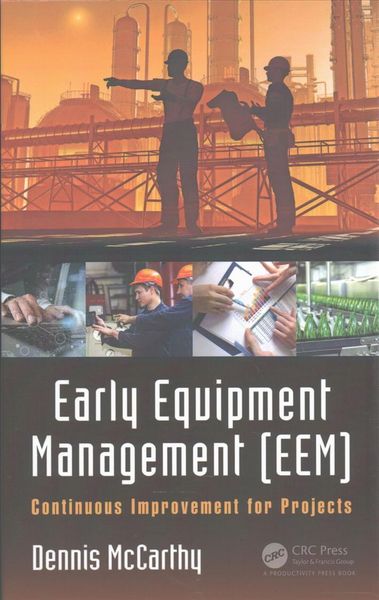
Produktbild: Early Equipment Management (Eem)

Early Equipment Management (Eem) Continuous Improvement for Projects

69,99 €

inkl. gesetzl. MwSt., Versandkostenfrei


Beschreibung

Produktdetails

Einband

Gebundene Ausgabe

Erscheinungsdatum

24.05.2017

Verlag

Taylor & Francis

Seitenzahl

298

Maße (L/B/H)

24/15,6/2,1 cm

Gewicht

570 g

Sprache

Englisch

ISBN

978-1-138-21789-8

Beschreibung

Produktdetails

Einband

Gebundene Ausgabe

Erscheinungsdatum

24.05.2017

Verlag

Taylor & Francis

Seitenzahl

298

Maße (L/B/H)

24/15,6/2,1 cm

Gewicht

570 g

Sprache

Englisch

ISBN

978-1-138-21789-8

Herstelleradresse

Libri GmbH
Europaallee 1
36244 Bad Hersfeld
DE

Email: gpsr@libri.de

Noch keine Bewertungen vorhanden

Verfassen Sie die erste Bewertung zu diesem Artikel

Helfen Sie anderen Kundinnen und Kunden durch Ihre Meinung.

Kundinnen und Kunden meinen

Bewertungen (0)

Die Leseprobe wird geladen.
  • Produktbild: Early Equipment Management (Eem)
  • Contents

    Preface

    Chapter 1: Early Equipment Management

    Delivering Capital Projects Faster, Cheaper, Better

    1.1 What goes wrong?

    Steps 1 and 2: Before EEM

    Change curve

    Cost curve

    Steps 3 and 4 Before EEM

    Change curve

    Cost curve

    Steps 5 and 6 Before EEM

    Change curve

    Cost curve

    What is really happening

    The Voyage of Discovery

    1.2 EEM in action

    Steps 1 and 2 With EEM

    Change curve

    Cost Curve

    Steps 3 and 5 With EEM

    Change curve

    Cost Curve

    Steps 5 and 6 With EEM

    Change curve

    Cost Curve

    The gains

    1.3 Why we need EEM

    Understanding Project Delivery Weaknesses

    D. Collaboration Weaknesses

    This is a symptom of poor working relationships/collaboration. That can mean that weak ideas are untested until it is too late resulting in unforeseen (but predictable) Installation and commissioning problems.

    Making Better Decision

    Project Governance

    Knowledge Management:

    Delivering better management processes

    1.4 The Book Structure

    Overview

    Chapter Summaries

    Chapter 2: The EEM Road Map

    2.1 EEM Road Map Overview

    Define: Getting the Right Design

    Design: Getting the design right

    Refine: Getting the Design Gains

    Improve

    2.2 EEM Project Work Streams RACI

    RACI: Responsible

    2.3 RACI Accountable Column: Design Phase

    Concept development: Aim, to develop a preferred concept

    High Level Design: Aim, to approve funding and the basis for vendor selection

    2.4 RACI Accountable Column: Design Phase

    Detailed Design: Aim, to develop a detailed specification and project delivery programme.

    Prefab Procurement

    2.5 RACI Accountable: Refine Phase

    Step 5: Installation: Aim, to install equipment in plant

    Step 6 Commissioning: Aim, to deliver flawless operation on production day 1

    2.6 RACI Accountable: Improve Phase

    Step 7 Stabilise

    Step 8 Optimise

    2.7 Summary

    Chapter 3: Design and Performance Management

    3.1 In search of better design

    Innovation

    Systematic Design Development

    3.2 In search of better performance

    Criticality assessment

    Hidden Loss Analysis/Trouble Map

    Condition Appraisal

    Day in the Life of (DILO)Review

    Incorporating PP data in Design

    3.3 Avoiding Design Pitfalls

    Create Design Modules

    Recognise Vendor Skill Sets

    Understand Behavioural Bias

    Apply the EEM Design Hierarchy

    Design Goals

    Design Guidelines

    Technical Standards

    Objective Testing

    Integrating Stakeholder Workstreams

    3.4 Systematic Design Development: Define Phase

    3.5 Systematic Design Development: Design Phase

    Vendor Induction

    Detailed design workshops

    Problem Prevention

    Detailed activity planning

    3.6 Systematic Design Development: Refine and Improve

    3.7 Chapter Summary

    Chapter 4: Specification and LCC Management

    4.1 Having the Right Conversations

    Keep the conversation flowing

    Setting the Design Agenda

    Checklist Management

    4.2 Creating powerful specifications

    Layouts

    Module Review

    Approach

    Value Engineering Review

    Preparation

    Approach

    Resource Management/Systems specification

    Draft Specification

    Systems High Level Design

    Systems Detailed Design and Forward Program

    User training, Systems Validation and Go live

    Setting Design Targets

    Process Milestones

    Basic Life Cycle Cost Model Example

    Estimating Costs

    Operating Cost Estimates

    Capital cost estimates.

    ITT Design

    Approach

    Process Milestone

    4.3 Detailed Design

    Module Review Update

    Dealing with Risk

    Specify low risk solutions

    Specify Problems to be prevented

    Use Charts and Graphs to Raise Awareness

    Specify Learning Plans that Reduce Error Risks

    Detailed Activity Planning

    Change Control

    Witnessed inspection

    4.4 Define

    4.5 Design

    4.6 Refine and Improve

    Day One Production and Site Acceptance Testing

    4.7 Summary

    Chapter 5: Project and Risk Management

    5.1 Developing the project plan

    Milestone Planning

    Understanding the critical path

    Communicating Project Timelines

    Work Scheduling

    5.2 Managing people and teams

    Creating the Collective Team Vision

    Team induction

    Team Dynamics

    Collaborating with Vendors

    Managing Communication Processes

    Project Administration

    Personal systems and procedures

    5.3 Managing risk

    The Purpose of Risk Management

    Surfacing Hazards

    Registering Risks

    Highly Regulated Industries

    Implementing Risk Mitigation

    5.4 Define

    Project Leader Role: Concept

    Project Leader Role: High Level design

    5.5 Design

    Project Leader Tasks: Detailed Design

    Project Leader Role: Pre Fab Procurement

    5.6 Refine and Improve

    Project Leader Role: Installation

    Project Leader Role: Commissioning

    Project Leader Role Stabilise

    5.7 Chapter summary

    Chapter 6: Project Governance

    Impact of Internal Processes

    6.1 Project Governance: Mind Set and Skill Set

    Direction Setting

    Capability Building

    Performance Management

    Vendor Performance

    Results Delivery

    6.2 Organisational Development, The Leadership Challenge

    Setting EEM Policies

    EEM Policy Example

    Policy and Direction

    Project Delivery

    EEM Support

    EEM Subject Matter Expert

    Project Manager/Installation Manager

    Best Practice Design book

    6.3 Organisational Development: Measuring Progress

    Setting targets

    Beyond the Stage Gate Review

    Stage Gate Team Coaching Role

    Coaching parallel work streams

    EEM Audit Process

    Approach

    Audit Roles

    Audit Agenda

    Task Milestones

    6.4 Locking in the EEM Gains

    The Origins of EEM

    Best Practice Design Books

    Compatibility of EEM with Other Design Tools

    6.5 Define

    Concept Stage Gate

    High Level Design Stage Gate

    6.6 Design

    Detailed Design

    Pre Fab Procurement

    6.7 Refine and Improve

    Installation

    Commissioning

    Post Day 1: Stabilise

    6.8 Chapter summary

    Chapter 7: Implementing EEM

    7.1 Define

    Planning and preparation

    Management Awareness

    Mobilisation

    7.2 Design

    Pilot

    Policy Development

    7.3 Refine

    7.4 Improve

    EEM Subject Matter Expert Learning Pathways

    7.5 Speeding up time to market

    Design and Performance Management Processes

    Specification and LCC Management:

    Project and Risk Management Processes

    Project Governance

    Best Practice Design Book Processes

    7.6 Chapter Summary

    Chapter 8: Early Product Management

    Why do we need EPM?

    What is EPM?

    EPM Road Map

    8.1 EPM Step 1: Shell

    8.3 EPM Step 2: Shape

    Design and Performance Management Issues

    Specification and LCC Management Process

    Project and Risk Management Process

    8.4 EPM Step 3: Scope

    Design and Performance Management

    Specification and LCC Management

    Project and Risk Management

    8.4 Links with EEM

    Project Governance

    Design and Performance Management

    Specification and LCC Management

    Project and Risk Management

    8.5 Implementing EPM

    8.6 Chapter Summary