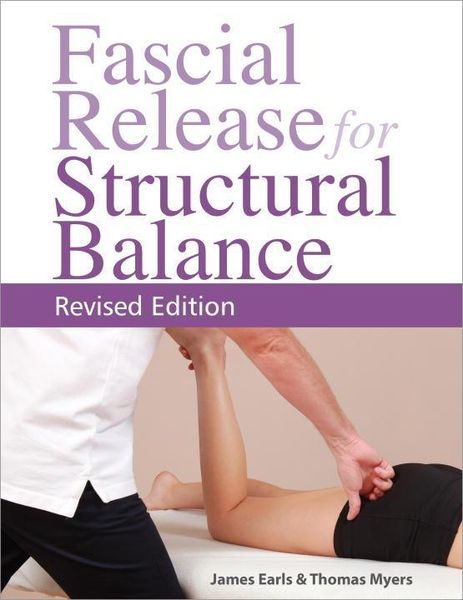
Fascial Release for Structural Balance, Revised Edition Putting the Theory of Anatomy Trains Into Practice
-
- Englisch ausgewählt
31,99 €
inkl. gesetzl. MwSt.,
Beschreibung
Produktdetails
Einband
Taschenbuch
Erscheinungsdatum
23.05.2017
Abbildungen
farbige Abbildungen
Verlag
Random House N.Y.Seitenzahl
280
Maße (L/B/H)
27,4/21/1,7 cm
Gewicht
573 g
Sprache
Englisch
ISBN
978-1-62317-100-1
From the creator and bestselling author of Anatomy Trains: Myofascial Meridians for Manual and Movement Therapists.
This thoroughly revised edition of the authoritative reference Fascial Release for Structural Balance brings the book up to date with all of the most current research on the role of fascia and myofascia in the body, and how treatment affects it. This edition takes advantage of more sophisticated testing to explore in greater detail the relationship between anatomical structure and function, making it an even more essential guide. Offering a detailed introduction to structural anatomy and fascial release therapy, including postural analysis, complete technique descriptions, and the art of proper assessment of a patient through "bodyreading," the book features 150 color photographs that clearly demonstrate each technique. The authors, both respected bodywork professionals, give any bodywork practitioner using manual therapy—including physiotherapists, osteopaths, chiropractors, myofascial and trigger point therapists, and massage therapists—the information they need to deliver effective treatments and create long-lasting, systemic change in clients' shape and structure.
Fascia, the soft tissue surrounding muscles, bones, and organs, plays a crucial role in supporting the body. By learning to intelligently manipulate it, a bodyworker or therapist can help with many chronic conditions that their clients suffer from, providing immediate pain relief as well as reducing the strains that may contribute to the patient's ongoing aches and pains, leading to rapid, effective, and lasting pain relief. James Earls and Thomas Meyers argue that approaching the fascia requires "a different eye, a different touch, and tissue-specific techniques."
Kundinnen und Kunden meinen
Verfassen Sie die erste Bewertung zu diesem Artikel
Helfen Sie anderen Kund*innen durch Ihre Meinung
Kurze Frage zu unserer Seite
Vielen Dank für Ihr Feedback
Wir nutzen Ihr Feedback, um unsere Produktseiten zu verbessern. Bitte haben Sie Verständnis, dass wir Ihnen keine Rückmeldung geben können. Falls Sie Kontakt mit uns aufnehmen möchten, können Sie sich aber gerne an unseren Kund*innenservice wenden.
zum Kundenservice