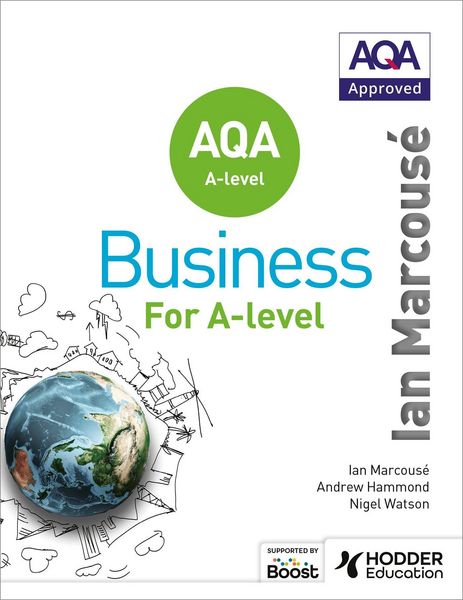
Produktbild: AQA Business for A Level (Marcousé)

AQA Business for A Level (Marcousé)

89,99 €

inkl. gesetzl. MwSt., Versandkostenfrei


Beschreibung

Produktdetails

Einband

Taschenbuch

Altersempfehlung

16 - 19 Jahr(e)

Erscheinungsdatum

25.09.2015

Verlag

KNV Besorgung

Seitenzahl

664

Maße (L/B/H)

27,6/21,4/3,4 cm

Gewicht

1780 g

Sprache

Englisch

ISBN

978-1-4718-3569-8

Beschreibung

Produktdetails

Einband

Taschenbuch

Altersempfehlung

16 - 19 Jahr(e)

Erscheinungsdatum

25.09.2015

Verlag

KNV Besorgung

Seitenzahl

664

Maße (L/B/H)

27,6/21,4/3,4 cm

Gewicht

1780 g

Sprache

Englisch

ISBN

978-1-4718-3569-8

Herstelleradresse

Libri GmbH
Europaallee 1
36244 Bad Hersfeld
DE

Email: gpsr@libri.de

Noch keine Bewertungen vorhanden

Verfassen Sie die erste Bewertung zu diesem Artikel

Helfen Sie anderen Kundinnen und Kunden durch Ihre Meinung.

Kundinnen und Kunden meinen

Bewertungen (0)

  • Produktbild: AQA Business for A Level (Marcousé)
    • Section 1: What is Business?
      • Chapter 1: Understanding the nature and purpose of business
      • Chapter 2: Different business forms
      • Chapter 3: Issues in understanding different business forms
      • Chapter 4: Understanding that businesses operate within an external environment
    • Section 2: Managers, leadership and decision-making
      • Chapter 5: What managers do
      • Chapter 6: Types of management and leadership styles and their effectiveness
      • Chapter 7: Understanding management decision-making
      • Chapter 8: Decision trees
      • Chapter 9: Opportunity cost
      • Chapter 10: Understanding the role and importance of stakeholders
    • Section 3: Decision-making to improve marketing performance
      • Chapter 11: Marketing and decision-making
      • Chapter 12: Marketing and competitiveness
      • Chapter 13: Setting marketing objectives
      • Chapter 14: Understanding markets
      • Chapter 15: Market research and sampling
      • Chapter 16: The interpretation of marketing data
      • Chapter 17: Price and income elasticity of demand
      • Chapter 18: Market data and analysis
      • Chapter 19: Segmentation, targeting and positioning
      • Chapter 20: Niche and mass marketing
      • Chapter 21: Marketing mix: 7Ps
      • Chapter 22: Product decisions: product life cycle and product portfolio
      • Chapter 23: Pricing decisions
      • Chapter 24: Place and promotion decisions
      • Chapter 25: Integrating the marketing mix
    • Section 4: Decision-making to improve operational performance
      • Chapter 26: Setting operational objectives
      • Chapter 27: Efficiency and labour productivity
      • Chapter 28: Lean production
      • Chapter 29: Capacity utilisation
      • Chapter 30: Technology and operational efficiency
      • Chapter 31: Analysing operational performance
      • Chapter 32: Improving quality
      • Chapter 33: Managing supply chains
      • Chapter 34: Managing inventory
      • Chapter 35: Decision-making to improve operational performance
    • Section 5: Decision-making to improve financial performance
      • Chapter 36: Financial objectives
      • Chapter 37: Calculating revenue, costs and profit
      • Chapter 38: Break-even analysis
      • Chapter 39: Cash flow management
      • Chapter 40: Budgets and budgeting
      • Chapter 41: Profit and how to increase it
      • Chapter 42: Cash flow versus profit
      • Chapter 43: Sources of finance
      • Chapter 44: Decision-making to improve financial performance
    • Section 6: Decision-making to improve human resource performance
      • Chapter 45: Setting human resource objectives
      • Chapter 46: Motivation and engagement in theory
      • Chapter 47: Motivation and engagement in practice
      • Chapter 48: Improving organisational design
      • Chapter 49: Managing the human resource flow
      • Chapter 50: Improving employer–employee relations
      • Chapter 51: Analysing human resource performance
      • Chapter 52: Decision-making and improved HR performance
    • Section 7: Analysing the strategic position of a business
      • Chapter 53: Influences on the mission of a business
      • Chapter 54: Corporate objectives, strategy & tactics
      • Chapter 55: The impact of strategic decision making on functional decision making
      • Chapter 56: The value of SWOT analysis
      • Chapter 57: Financial objectives and constraints
      • Chapter 58: Balance sheets and income statements
      • Chapter 59: Financial ratio analysis
      • Chapter 60: Value and limitations of financial ratios
      • Chapter 61: How to analyse data other than financial statements
      • Chapter 62: Assessing short- and long-term performance
      • Chapter 63: Different measures of assessing business performance
      • Chapter 64: Changes in the political and legal environment
      • Chapter 65: The impact of government policy
      • Chapter 66: The impact of changes in the economic environment
      • Chapter 67: Globalisation and emerging economies
      • Chapter 68: The impact of social change
      • Chapter 69: The social environment including CSR
      • Chapter 70: Technological change
      • Chapter 71: The competitive environment
      • Chapter 72: Analysing strategic options
      • Chapter 73: Investment appraisal
      • Chapter 74: Sensitivity analysis
    • Section 8: Choosing strategic direction
      • Chapter 75: Strategic direction: Ansoff’s matrix
      • Chapter 76: Competitive advantage
      • Chapter 77: Strategic positioning
    • Section 9: Strategic methods: how to pursue strategies
      • Chapter 78: Growth and retrenchment
      • Chapter 79: Economies and diseconomies of scale
      • Chapter 80: Methods and types of growth
      • Chapter 81: Innovation
      • Chapter 82: Becoming an innovative organisation
      • Chapter 83: Protecting innovative ideas
      • Chapter 84: Reasons for trading internationally
      • Chapter 85: Attractiveness of international markets
      • Chapter 86: China and India
      • Chapter 87: Targeting overseas markets
      • Chapter 88: Managing international business
      • Chapter 89: Digital technology
    • Section 10: Managing strategic change
      • Chapter 90: Causes and value of change
      • Chapter 91: The flexible organisation
      • Chapter 92: Barriers to change
      • Chapter 93: Organisational culture
      • Chapter 94: Strategic implementation
      • Chapter 95: Network analysis and strategic implementation
      • Chapter 96: Problems with strategy
      • Chapter 97: Understanding assessment objectives
      • Chapter 98: Tackling data response questions
      • Chapter 99: How to revise for business exams
    • Section 1: What is Business?
      • Chapter 1: Understanding the nature and purpose of business
      • Chapter 2: Different business forms
      • Chapter 3: Issues in understanding different business forms
      • Chapter 4: Understanding that businesses operate within an external environment
    • Section 2: Managers, leadership and decision-making
      • Chapter 5: What managers do
      • Chapter 6: Types of management and leadership styles and their effectiveness
      • Chapter 7: Understanding management decision-making
      • Chapter 8: Decision trees
      • Chapter 9: Opportunity cost
      • Chapter 10: Understanding the role and importance of stakeholders
    • Section 3: Decision-making to improve marketing performance
      • Chapter 11: Marketing and decision-making
      • Chapter 12: Marketing and competitiveness
      • Chapter 13: Setting marketing objectives
      • Chapter 14: Understanding markets
      • Chapter 15: Market research and sampling
      • Chapter 16: The interpretation of marketing data
      • Chapter 17: Price and income elasticity of demand
      • Chapter 18: Market data and analysis
      • Chapter 19: Segmentation, targeting and positioning
      • Chapter 20: Niche and mass marketing
      • Chapter 21: Marketing mix: 7Ps
      • Chapter 22: Product decisions: product life cycle and product portfolio
      • Chapter 23: Pricing decisions
      • Chapter 24: Place and promotion decisions
      • Chapter 25: Integrating the marketing mix
    • Section 4: Decision-making to improve operational performance
      • Chapter 26: Setting operational objectives
      • Chapter 27: Efficiency and labour productivity
      • Chapter 28: Lean production
      • Chapter 29: Capacity utilisation
      • Chapter 30: Technology and operational efficiency
      • Chapter 31: Analysing operational performance
      • Chapter 32: Improving quality
      • Chapter 33: Managing supply chains
      • Chapter 34: Managing inventory
      • Chapter 35: Decision-making to improve operational performance
    • Section 5: Decision-making to improve financial performance
      • Chapter 36: Financial objectives
      • Chapter 37: Calculating revenue, costs and profit
      • Chapter 38: Break-even analysis
      • Chapter 39: Cash flow management
      • Chapter 40: Budgets and budgeting
      • Chapter 41: Profit and how to increase it
      • Chapter 42: Cash flow versus profit
      • Chapter 43: Sources of finance
      • Chapter 44: Decision-making to improve financial performance
    • Section 6: Decision-making to improve human resource performance
      • Chapter 45: Setting human resource objectives
      • Chapter 46: Motivation and engagement in theory
      • Chapter 47: Motivation and engagement in practice
      • Chapter 48: Improving organisational design
      • Chapter 49: Managing the human resource flow
      • Chapter 50: Improving employer–employee relations
      • Chapter 51: Analysing human resource performance
      • Chapter 52: Decision-making and improved HR performance
    • Section 7: Analysing the strategic position of a business
      • Chapter 53: Influences on the mission of a business
      • Chapter 54: Corporate objectives, strategy & tactics
      • Chapter 55: The impact of strategic decision making on functional decision making
      • Chapter 56: The value of SWOT analysis
      • Chapter 57: Financial objectives and constraints
      • Chapter 58: Balance sheets and income statements
      • Chapter 59: Financial ratio analysis
      • Chapter 60: Value and limitations of financial ratios
      • Chapter 61: How to analyse data other than financial statements
      • Chapter 62: Assessing short- and long-term performance
      • Chapter 63: Different measures of assessing business performance
      • Chapter 64: Changes in the political and legal environment
      • Chapter 65: The impact of government policy
      • Chapter 66: The impact of changes in the economic environment
      • Chapter 67: Globalisation and emerging economies
      • Chapter 68: The impact of social change
      • Chapter 69: The social environment including CSR
      • Chapter 70: Technological change
      • Chapter 71: The competitive environment
      • Chapter 72: Analysing strategic options
      • Chapter 73: Investment appraisal
      • Chapter 74: Sensitivity analysis
    • Section 8: Choosing strategic direction
      • Chapter 75: Strategic direction: Ansoff’s matrix
      • Chapter 76: Competitive advantage
      • Chapter 77: Strategic positioning
    • Section 9: Strategic methods: how to pursue strategies
      • Chapter 78: Growth and retrenchment
      • Chapter 79: Economies and diseconomies of scale
      • Chapter 80: Methods and types of growth
      • Chapter 81: Innovation
      • Chapter 82: Becoming an innovative organisation
      • Chapter 83: Protecting innovative ideas
      • Chapter 84: Reasons for trading internationally
      • Chapter 85: Attractiveness of international markets
      • Chapter 86: China and India
      • Chapter 87: Targeting overseas markets
      • Chapter 88: Managing international business
      • Chapter 89: Digital technology
    • Section 10: Managing strategic change
      • Chapter 90: Causes and value of change
      • Chapter 91: The flexible organisation
      • Chapter 92: Barriers to change
      • Chapter 93: Organisational culture
      • Chapter 94: Strategic implementation
      • Chapter 95: Network analysis and strategic implementation
      • Chapter 96: Problems with strategy
      • Chapter 97: Understanding assessment objectives
      • Chapter 98: Tackling data response questions
      • Chapter 99: How to revise for business exams
    • Section 1: What is Business?
      • Chapter 1: Understanding the nature and purpose of business
      • Chapter 2: Different business forms
      • Chapter 3: Issues in understanding different business forms
      • Chapter 4: Understanding that businesses operate within an external environment
    • Section 2: Managers, leadership and decision-making
      • Chapter 5: What managers do
      • Chapter 6: Types of management and leadership styles and their effectiveness
      • Chapter 7: Understanding management decision-making
      • Chapter 8: Decision trees
      • Chapter 9: Opportunity cost
      • Chapter 10: Understanding the role and importance of stakeholders
    • Section 3: Decision-making to improve marketing performance
      • Chapter 11: Marketing and decision-making
      • Chapter 12: Marketing and competitiveness
      • Chapter 13: Setting marketing objectives
      • Chapter 14: Understanding markets
      • Chapter 15: Market research and sampling
      • Chapter 16: The interpretation of marketing data
      • Chapter 17: Price and income elasticity of demand
      • Chapter 18: Market data and analysis
      • Chapter 19: Segmentation, targeting and positioning
      • Chapter 20: Niche and mass marketing
      • Chapter 21: Marketing mix: 7Ps
      • Chapter 22: Product decisions: product life cycle and product portfolio
      • Chapter 23: Pricing decisions
      • Chapter 24: Place and promotion decisions
      • Chapter 25: Integrating the marketing mix
    • Section 4: Decision-making to improve operational performance
      • Chapter 26: Setting operational objectives
      • Chapter 27: Efficiency and labour productivity
      • Chapter 28: Lean production
      • Chapter 29: Capacity utilisation
      • Chapter 30: Technology and operational efficiency
      • Chapter 31: Analysing operational performance
      • Chapter 32: Improving quality
      • Chapter 33: Managing supply chains
      • Chapter 34: Managing inventory
      • Chapter 35: Decision-making to improve operational performance
    • Section 5: Decision-making to improve financial performance
      • Chapter 36: Financial objectives
      • Chapter 37: Calculating revenue, costs and profit
      • Chapter 38: Break-even analysis
      • Chapter 39: Cash flow management
      • Chapter 40: Budgets and budgeting
      • Chapter 41: Profit and how to increase it
      • Chapter 42: Cash flow versus profit
      • Chapter 43: Sources of finance
      • Chapter 44: Decision-making to improve financial performance
    • Section 6: Decision-making to improve human resource performance
      • Chapter 45: Setting human resource objectives
      • Chapter 46: Motivation and engagement in theory
      • Chapter 47: Motivation and engagement in practice
      • Chapter 48: Improving organisational design
      • Chapter 49: Managing the human resource flow
      • Chapter 50: Improving employer–employee relations
      • Chapter 51: Analysing human resource performance
      • Chapter 52: Decision-making and improved HR performance
    • Section 7: Analysing the strategic position of a business
      • Chapter 53: Influences on the mission of a business
      • Chapter 54: Corporate objectives, strategy & tactics
      • Chapter 55: The impact of strategic decision making on functional decision making
      • Chapter 56: The value of SWOT analysis
      • Chapter 57: Financial objectives and constraints
      • Chapter 58: Balance sheets and income statements
      • Chapter 59: Financial ratio analysis
      • Chapter 60: Value and limitations of financial ratios
      • Chapter 61: How to analyse data other than financial statements
      • Chapter 62: Assessing short- and long-term performance
      • Chapter 63: Different measures of assessing business performance
      • Chapter 64: Changes in the political and legal environment
      • Chapter 65: The impact of government policy
      • Chapter 66: The impact of changes in the economic environment
      • Chapter 67: Globalisation and emerging economies
      • Chapter 68: The impact of social change
      • Chapter 69: The social environment including CSR
      • Chapter 70: Technological change
      • Chapter 71: The competitive environment
      • Chapter 72: Analysing strategic options
      • Chapter 73: Investment appraisal
      • Chapter 74: Sensitivity analysis
    • Section 8: Choosing strategic direction
      • Chapter 75: Strategic direction: Ansoff’s matrix
      • Chapter 76: Competitive advantage
      • Chapter 77: Strategic positioning
    • Section 9: Strategic methods: how to pursue strategies
      • Chapter 78: Growth and retrenchment
      • Chapter 79: Economies and diseconomies of scale
      • Chapter 80: Methods and types of growth
      • Chapter 81: Innovation
      • Chapter 82: Becoming an innovative organisation
      • Chapter 83: Protecting innovative ideas
      • Chapter 84: Reasons for trading internationally
      • Chapter 85: Attractiveness of international markets
      • Chapter 86: China and India
      • Chapter 87: Targeting overseas markets
      • Chapter 88: Managing international business
      • Chapter 89: Digital technology
    • Section 10: Managing strategic change
      • Chapter 90: Causes and value of change
      • Chapter 91: The flexible organisation
      • Chapter 92: Barriers to change
      • Chapter 93: Organisational culture
      • Chapter 94: Strategic implementation
      • Chapter 95: Network analysis and strategic implementation
      • Chapter 96: Problems with strategy
      • Chapter 97: Understanding assessment objectives
      • Chapter 98: Tackling data response questions
      • Chapter 99: How to revise for business exams