Gutscheinbedingungen

**Gültig nur für Bestellungen an die Wunsch-Poststation bis 10.06.2026 auf Spielzeug, Schreibwaren, Filme, Geschenke & Trends, Musik, tolino eReader & Zubehör, Hörbücher und Hörbuch-Downloads (außer Abo), nicht preisgebundene Bücher und Kalender online auf thalia.at und in der Thalia App. Einzelne Artikel können ausgeschlossen sein. Aufgrund der Buchpreisbindung sind deutschsprachige Bücher und eBooks ausgenommen. Zusätzlich ausgenommen sind preisgebundene Artikel, Abos & Flatrates, eBooks, Games, Geschenkkarten/-boxen, Shelfies, Software, Zeitschriften sowie einzelne Artikel von tonies®. Pro Einkauf einmal einlösbar. Kein Click & Collect möglich. Keine Barauszahlung. Nicht kombinierbar mit anderen Aktionen und Gutscheinen. Gutschein wird auf max. 500€ Bestellwert angerechnet. Nicht gültig für Versandkosten und Services.

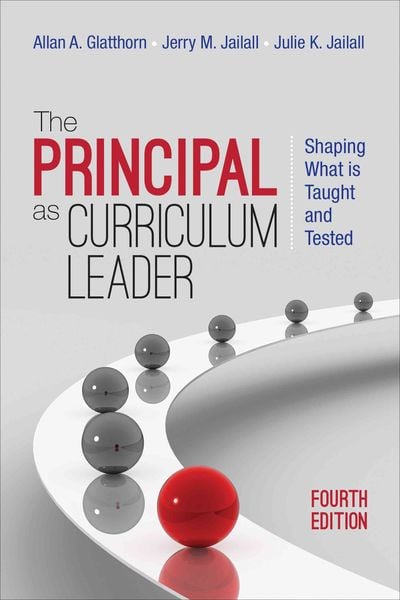
  • Produktbild: The Principal as Curriculum Leader
  • Produktbild: The Principal as Curriculum Leader

The Principal as Curriculum Leader Shaping What Is Taught and Tested

49,99 €

inkl. gesetzl. MwSt., Versandkostenfrei


Beschreibung

Produktdetails

Einband

Taschenbuch

Erscheinungsdatum

14.09.2016

Verlag

Sage Publications

Seitenzahl

288

Maße (L/B/H)

22,9/15,2/1,6 cm

Gewicht

420 g

Auflage

4. überarbeitete Auflage

Sprache

Englisch

ISBN

978-1-4833-5311-1

Beschreibung

Produktdetails

Einband

Taschenbuch

Erscheinungsdatum

14.09.2016

Verlag

Sage Publications

Seitenzahl

288

Maße (L/B/H)

22,9/15,2/1,6 cm

Gewicht

420 g

Auflage

4. überarbeitete Auflage

Sprache

Englisch

ISBN

978-1-4833-5311-1

Herstelleradresse

Libri GmbH
Europaallee 1
36244 Bad Hersfeld
DE

Email: Libri GmbH

Kundinnen und Kunden meinen

0 Bewertungen

Informationen zu Bewertungen

Zur Abgabe einer Bewertung ist eine Anmeldung im Konto notwendig. Die Authentizität der Bewertungen wird von uns nicht überprüft. Wir behalten uns vor, Bewertungstexte, die unseren Richtlinien widersprechen, entsprechend zu kürzen oder zu löschen.

Die Bewertungen sind nach Format, Anzahl Sterne und Datum sortiert.

Verfassen Sie die erste Bewertung zu diesem Artikel

Helfen Sie anderen Kund*innen durch Ihre Meinung

Kundinnen und Kunden meinen

0 Bewertungen filtern

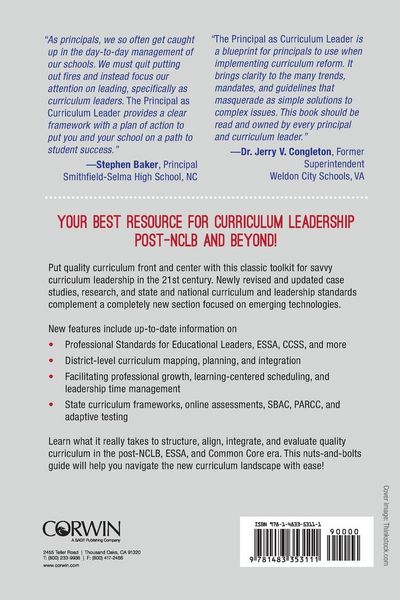
  • Produktbild: The Principal as Curriculum Leader
  • Produktbild: The Principal as Curriculum Leader
  • Preface to the Fourth Edition
    Acknowledgments
    About the Authors
    PART I: Laying the Foundations
    1. What It Means to Be a Curriculum Leader: Post Race to the Top, the Era of the Common Core of State Standards (CCSS) and the Every Student Succeeds Act of 2015 (ESSA)
    Movement Toward National Standards
    Influences on Curricula: Current and Past
    The Hallmarks of Curriculum Quality
    Chapter Summary
    References
    2. Some Current Trends in Curriculum, Instruction, and Assessment in the Era of the Every Student Succeeds Act and New State Standards for Curriculum (ESSA and CCSS)
    Some Current Trends in Curriculum
    Some Practices Related to Current Trends in Curriculum
    What These Trends Mean
    Chapter Summary
    References
    3. The Five Curriculum Levels: National, State, District, School, and Classroom
    National Functions
    State Functions
    District Functions
    School Functions
    Classroom Functions
    Flexible Allocations
    Chapter Summary
    References
    4. Importance of the Principal
    No Child Left Behind (NCLB) Commission Report Called for Definition of Highly Effective Principals
    Professional Standards for Educational Leaders (PSEL) 2015
    Defining Curriculum Leadership
    Understanding the Problems of the Principal's Curriculum Leadership Role
    Understanding the Rationale for Principal Leadership
    Uniting Principal and Teacher Leadership
    Performing the Leadership Functions
    Chapter Summary
    References
    PART II: Shaping State and District Curricula
    5. State Policies and Frameworks
    The Case of State Frameworks in North Carolina, Tennessee, and Mississippi
    Becoming Informed
    Getting the Message Across
    Evaluating State Frameworks
    Chapter Summary
    References
    6. District Curricula
    District Functions
    Exercising Influence as the Principal
    Chapter Summary
    References
    PART III: Providing Leadership
    7. Developing Vision and Goals
    Developing the School's Vision of a Quality Curriculum
    Developing the School's Curriculum Goals
    Chapter Summary
    References
    8. Rethinking the Program of Studies
    Renewing an Existing Program of Studies
    Restructuring the Program of Studies
    Chapter Summary
    References
    9. Committing to a Learning-Centered Schedule and Protection of Instructional Time
    The Nature of a Learning-Centered Schedule
    Developing a Learning-Centered Schedule
    How the Principal and Teachers Can Make More Effective Use of the Existing Schedule
    Chapter Summary
    References
    10. Integrating the Curriculum
    Types of Integration
    Arguments Supporting Integration
    Arguments Questioning the Use of Integration
    Some Challenges of Integration at All Levels
    A Process for Resolving the Integration Issue
    Chapter Summary
    References
    11. Aligning the Curriculum
    Types of Curricula
    Aligning the Recommended and the Written Curricula
    Aligning the Written, the Supported, and the Assessed Curricula
    Aligning the Written and the Taught Curricula
    Aligning the Hidden and the Learned Curricula
    Aligning the Taught and the Learned Curricula
    Chapter Summary
    References
    12. Monitoring the Curriculum Implementation Process
    The Argument About Monitoring
    A Practical Solution for Monitoring
    Chapter Summary
    References
    PART IV: Working With Teachers
    13. Making Yearly Planning Calendars and Curriculum Maps
    The Nature of Yearly Plans and Curriculum Maps and a Rationale for Their Use
    Organizing for Yearly Planning
    Developing Yearly Plans
    Reviewing the Plans
    Chapter Summary
    References
    14. Developing Units of Study
    A Rationale for Unit Development
    Organizing for Unit Development
    Developing Units Based on Constructivist Principles
    Some Criticisms of Constructivism
    Chapter Summary
    References
    15. Enriching the Curriculum and Remediating Learning
    Helping Teachers Enrich the Curriculum
    Helping Teachers Remediate Learning
    Chapter Summary
    References
    16. Evaluating the Curriculum
    Evaluating the Assessed or Tested Curriculum
    Evaluating the Supported Curriculum
    Evaluating the Written Curriculum
    Evaluating the Taught Curriculum
    Evaluating the Learned Curriculum
    Chapter Summary
    References
    PART V: Looking Ahead
    17. Curriculum Leadership: Putting It All Together
    Work Closely With District Leadership
    Set Up the Curriculum Organizational Structures
    Use Team Leadership
    Make Curriculum Improvement Part of an Overall Plan
    Use an Incremental Process in Effecting Curricular Change
    Prioritize Curriculum Tasks
    Use Routine Activities to Support Quality Curricula
    Develop Specific Plans and Manage Time
    A Personal and Concluding Note
    Chapter Summary
    References
    Index