KI-Beratung Beta

Gutscheinbedingungen

**Gültig am 27.11.2026 auf Spielzeug, Schreibwaren, Filme, Geschenke & Trends, Musik, tolino eReader & Zubehör, Hörbücher und Hörbuch-Downloads, nicht preisgebundene Bücher und Kalender online auf thalia.at und in der Thalia App. Einzelne Artikel können ausgeschlossen sein. Aufgrund der Buchpreisbindung sind deutschsprachige Bücher und eBooks ausgenommen. Zusätzlich ausgenommen sind Abos & Flatrates, Games, Geschenkkarten/-boxen, Shelfies, Software, Zeitschriften sowie einzelne Artikel von tonies®. Pro Einkauf einmal einlösbar. Click & Collect nur bei Onlinevorabzahlung möglich. Keine Barauszahlung. Nicht kombinierbar mit anderen Aktionen und Gutscheinen. Gutschein wird auf max. 500€ Bestellwert angerechnet. Nicht gültig für Versandkosten und Services.

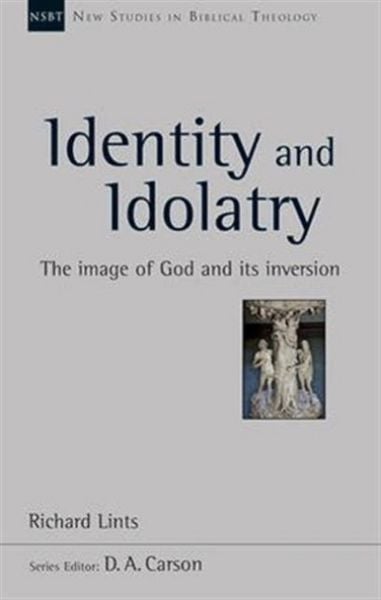
Produktbild: Identity and Idolatry

Identity and Idolatry The Image Of God And Its Inversion

19,99 €

inkl. gesetzl. MwSt., zzgl. Versandkosten


  • Kostenlose Lieferung ab 30 € Einkaufswert
  • Versandkostenfrei für Bonuscard-Kund*innen

Beschreibung

So God created man in his own image, in the image of God he created him; male and female he created them' (Genesis 1:27). Genesis 1:26-27 has served as the locus of most theological anthropologies in the central Christian tradition. However, Richard Lints observes that too rarely have these verses been...

Beschreibung

So God created man in his own image, in the image of God he created him; male and female he created them' (Genesis 1:27). Genesis 1:26-27 has served as the locus of most theological anthropologies in the central Christian tradition. However, Richard Lints observes that too rarely have these verses been understood as conceptually interwoven with the whole of the prologue materials of Genesis 1. The construction of the cosmic temple strongly hints that the 'image of God' language serves liturgical functions. Lints argues that 'idol' language in the Bible is a conceptual inversion of the 'image' language of Genesis 1. These constructs illuminate each other, and clarify the canon's central anthropological concerns. The question of human identity is distinct, though not separate, from the question of human nature; the latter has far too frequently been read into the biblical use of 'image'. Lints shows how the 'narrative' of human identity runs from creation (imago Dei) to fall (the golden calf/idol, Exodus 32) to redemption (Christ as perfect image, Colossians 1:15-20). The biblical-theological use of image/idol is a thread through the canon that highlights the movements of redemptive history. In the concluding chapters, Lints interprets the use of idolatry as it emerges in the secular prophets of the nineteenth century, and examines the recent renaissance of interest in idolatry with its conceptual power to explain the 'culture of desire'.

Produktdetails

Einband

Taschenbuch

Erscheinungsdatum

17.07.2015

Verlag Inter-Varsity Press
Seitenzahl

192

Produktdetails

Einband

Taschenbuch

Erscheinungsdatum

17.07.2015

Verlag Inter-Varsity Press
Seitenzahl

192

Maße (L/B/H)

14,1/21,6/1,3 cm

Gewicht

252 g

Sprache

Englisch

ISBN

978-1-78359-306-4

Herstelleradresse

Libri GmbH
Europaallee 1
36244 Bad Hersfeld
DE

Email: gpsr@libri.de

Noch keine Bewertungen vorhanden

Verfassen Sie die erste Bewertung zu diesem Artikel

Helfen Sie anderen Kundinnen und Kunden durch Ihre Meinung.

Kundinnen und Kunden meinen

Bewertungen (0)

  • Produktbild: Identity and Idolatry