KI-Beratung Beta

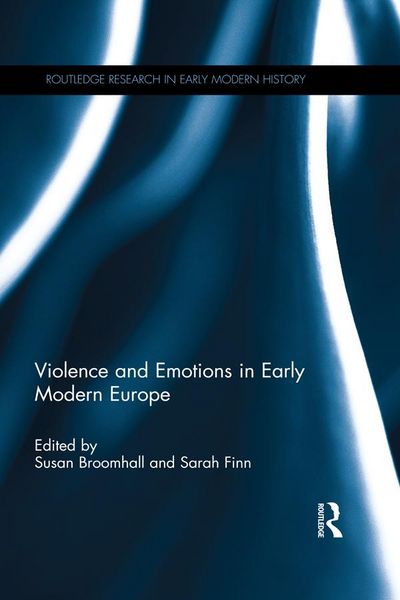
Produktbild: Violence and Emotions in Early Modern Europe

Violence and Emotions in Early Modern Europe

69,90 €

inkl. gesetzl. MwSt.

Beschreibung

Violence and Emotions in Early Modern Europe examines the purposes for which specific forms of violence and particular emotional states functioned, how they operated in relation to each other, or indeed how one provoked, sustained or diminished the other.

These twelve original essays demonstrate the complexities...

Beschreibung

Violence and Emotions in Early Modern Europe examines the purposes for which specific forms of violence and particular emotional states functioned, how they operated in relation to each other, or indeed how one provoked, sustained or diminished the other.

These twelve original essays demonstrate the complexities of violence and emotions and the myriad possibilities of their inter-relationships. They emphasize the great efforts that were made by early modern societies to control modes of violence and emotional regimes to achieve positive as well as negative effects, such as creating order, healing, and bringing individuals and communities together around productive identities.

Authors consider legal documents, news reports, memoirs, letters, confraternity statutes, and medical consultations to investigate the bodily and textual practices in which violent and emotional acts were created, supported and disseminated to investigate the power, aims, effect and outcomes of relationships between violence and emotions. The chapters look at a range of topics and countries including Renaissance Italy and sixteenth-century Germany, France in the grip of the religious wars, and England's Civil Wars as well as a wide range of topics including murder, punishment, community healing, insults, threats, prophecy and medical and devotional practices.

This collection will be essential reading for students and scholars of the history of emotions or violence.

Produktdetails

Format

PDF

Kopierschutz

Ja

Family Sharing

Nein

Text-to-Speech

Nein

Produktdetails

Format

PDF

Format

eBooks im PDF-Format haben eine festgelegte Seitengröße und eignen sich daher nur bedingt zum Lesen auf einem tolino eReader oder Smartphone. Für den vollen Lesegenuss empfehlen wir Ihnen bei PDF-eBooks die Verwendung eines Tablets oder Computers.

Kopierschutz

Ja

Kopierschutz

Zum Lesen dieses eBooks auf Geräten der tolino Familie sowie auf sonstigen eReadern und am PC benötigen Sie eine ByteBook-ID. Weitere Hinweise zum Lesen von kopiergeschützten eBooks finden Sie unter Hilfe/Downloads.

Family Sharing

Nein

Family Sharing

Mit Family Sharing können Sie eBooks innerhalb Ihrer Familie (max. sechs Mitglieder im gleichen Haushalt) teilen. Sie entscheiden selbst, welches Buch Sie mit welchem Familienmitglied teilen möchten. Auch das parallele Lesen durch verschiedene Familienmitglieder ist durch Family Sharing möglich. Um eBooks zu teilen oder geteilt zu bekommen, muss jedes Familienmitglied ein Konto bei Thalia oder einem anderen tolino-Buchhändler haben. Weitere Informationen finden Sie unter Hilfe/Family-Sharing.

Text-to-Speech

Nein

Text-to-Speech

Bedeutet Ihnen Stimme mehr als Text? Mit der Funktion Text-to-Speech können Sie sich im tolino webReader und in der aktuellen Thalia – Lesen & Hören App das eBook vorlesen lassen. Weitere Informationen finden Sie unter Hilfe/Text-to-Speech.

Erscheinungsdatum

30.07.2015

Herausgeber
Verlag Taylor & Francis eBooks
Seitenzahl

230 (Printausgabe)

Dateigröße

4177 KB

Sprache

Englisch

EAN

9781317424192

Barrierefreiheit
  • navigierbares Inhaltsverzeichnis
  • kurze Alternativtexte (z.B. für Abbildungen) vorhanden
  • keine Vorlesefunktionen des Lesesystems deaktiviert
  • navigierbarer Index
  • Seitennummerierung folgt dem gedruckten Werk

Noch keine Bewertungen vorhanden

Verfassen Sie die erste Bewertung zu diesem Artikel

Helfen Sie anderen Kundinnen und Kunden durch Ihre Meinung.

Kundinnen und Kunden meinen

Bewertungen (0)

Weitere Artikel finden Sie in

Die Leseprobe wird geladen.
  • Produktbild: Violence and Emotions in Early Modern Europe