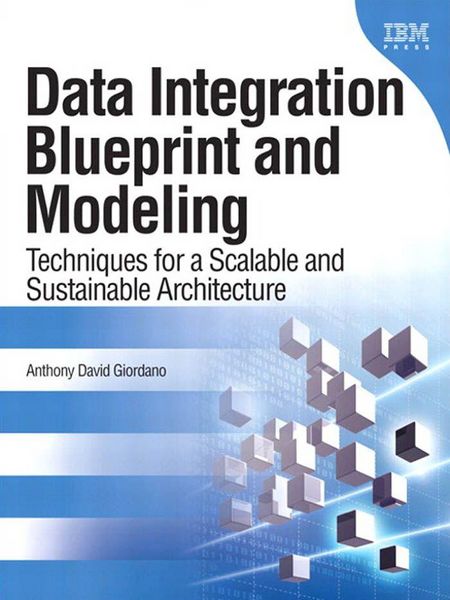
Data Integration Blueprint and Modeling Techniques for a Scalable and Sustainable Architecture, Portable Documents
-
- Einzelkauf Download ausgewählt
-
Sprache:Englisch
-
eBook Format:PDF
- PDF 33,40 € ausgewählt
- ePUB 58,60 €
33,40 €
inkl. gesetzl. MwSt.Beschreibung
Produktdetails
Format
Kopierschutz
Nein
Family Sharing
Nein
Text-to-Speech
Nein
Altersempfehlung
18 - 67 Jahr(e)
Erscheinungsdatum
07.12.2010
Verlag
Pearson ITPSeitenzahl
500 (Printausgabe)
Dateigröße
11496 KB
Auflage
1. Auflage
Sprache
Englisch
EAN
9780137085279
Making Data Integration Work: How to Systematically Reduce Cost, Improve Quality, and Enhance Effectiveness
Today's enterprises are investing massive resources in data integration. Many possess thousands of point-to-point data integration applications that are costly, undocumented, and difficult to maintain. Data integration now accounts for a major part of the expense and risk of typical data warehousing and business intelligence projects--and, as businesses increasingly rely on analytics, the need for a blueprint for data integration is increasing now more than ever.
This book presents the solution: a clear, consistent approach to defining, designing, and building data integration components to reduce cost, simplify management, enhance quality, and improve effectiveness. Leading IBM data management expert Tony Giordano brings together best practices for architecture, design, and methodology, and shows how to do the disciplined work of getting data integration right.
Mr. Giordano begins with an overview of the "patterns" of data integration, showing how to build blueprints that smoothly handle both operational and analytic data integration. Next, he walks through the entire project lifecycle, explaining each phase, activity, task, and deliverable through a complete case study. Finally, he shows how to integrate data integration with other information management disciplines, from data governance to metadata. The book's appendices bring together key principles, detailed models, and a complete data integration glossary.
Coverage includes
- Implementing repeatable, efficient, and well-documented processes for integrating data
- Lowering costs and improving quality by eliminating unnecessary or duplicative data integrations
- Managing the high levels of complexity associated with integrating business and technical data
- Using intuitive graphical design techniques for more effective process and data integration modeling
- Building end-to-end data integration applications that bring together many complex data sources
Noch keine Bewertungen vorhanden
Verfassen Sie die erste Bewertung zu diesem Artikel
Helfen Sie anderen Kundinnen und Kunden durch Ihre Meinung.
Kurze Frage zu unserer Seite
Vielen Dank für Ihr Feedback
Wir nutzen Ihr Feedback, um unsere Produktseiten zu verbessern. Bitte haben Sie Verständnis, dass wir Ihnen keine Rückmeldung geben können. Falls Sie Kontakt mit uns aufnehmen möchten, können Sie sich aber gerne an unseren Kund*innenservice wenden.
zum Kundenservice