
Gutscheinbedingungen

**Gültig bis 06.07.2026 auf fremdsprachige Bücher online auf thalia.at, in der Thalia App ab einem Mindestbestellwert von 30€ und in allen Thalia Buchhandlungen in Österreich. In den Buchhandlungen nur gültig auf lagernde Ware. Einzelne Artikel können ausgeschlossen sein. Ausgenommen sind preisgebundene Artikel & eBooks. Pro Einkauf einmal einlösbar. Nur gültig gegen Vorlage oder im Onlineshop hinterlegter Bonuscard. Infos zur Einlösung in der Buchhandlung sind auf der Bonuscard-Vorteilspreisseite zu finden. Click & Collect nur bei Onlinevorabzahlung möglich. Keine Einlösung bei Scan & Go-Bezahlung. Keine Barauszahlung. Nicht kombinierbar mit anderen Aktionen und Gutscheinen. Gutschein wird auf max. 500€ Bestellwert angerechnet. Nicht gültig für Versandkosten und Services.

  • Produktbild: The Mind in Disorder
  • Produktbild: The Mind in Disorder

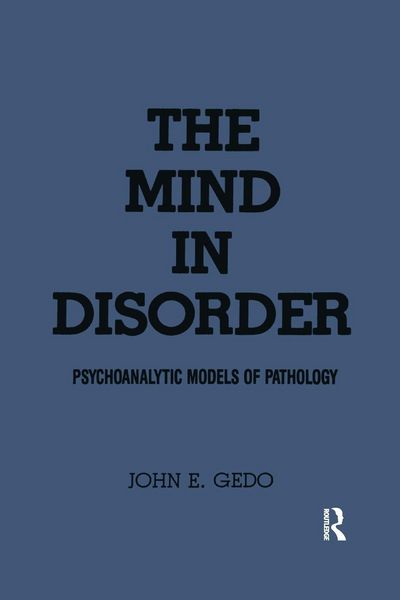
The Mind in Disorder Psychoanalytic Models of Pathology

61,99 €

inkl. gesetzl. MwSt., Versandkostenfrei


Beschreibung

Produktdetails

Einband

Taschenbuch

Erscheinungsdatum

30.06.2020

Verlag

Taylor and Francis

Seitenzahl

264

Maße (L/B/H)

22,9/15,2/1,4 cm

Gewicht

453 g

Sprache

Englisch

ISBN

978-1-138-86952-3

Beschreibung

Produktdetails

Einband

Taschenbuch

Erscheinungsdatum

30.06.2020

Verlag

Taylor and Francis

Seitenzahl

264

Maße (L/B/H)

22,9/15,2/1,4 cm

Gewicht

453 g

Sprache

Englisch

ISBN

978-1-138-86952-3

Herstelleradresse

Libri GmbH
Europaallee 1
36244 Bad Hersfeld
DE

Email: gpsr@libri.de

Noch keine Bewertungen vorhanden

Verfassen Sie die erste Bewertung zu diesem Artikel

Helfen Sie anderen Kundinnen und Kunden durch Ihre Meinung.

Kundinnen und Kunden meinen

Bewertungen (0)

Die Leseprobe wird geladen.
  • Produktbild: The Mind in Disorder
  • Produktbild: The Mind in Disorder
  • 1. Nosology and the Therapeutic Goals of Psychoanalysis  2. Masochism and the Repetition Compulsion  3. Epigenesis, Regressive Disorganization, and Reversibility  4. Developmental Arrest and the Borders of Integrated Functioning  5. Disruption of the Self-Organization as an Inability to Repeat  6. Regression, the Psychosomatic Barrier, and the Capacity to Symbolize  7. Repetitive Enactment as Symbolization and Self-Healing  8. Transitional Relationships, Adaptive Skills, and Autonomy in Behavior Regulation  9. Character, Dyadic Enactments, and the Need for Symbiosis  10. Transference Neurosis, Archaic Transference, and the Compulsion to Repeat  11. Intractable Character Pathology as the Convergence of Repetition and Apraxia  12. Apraxia and the Inability to Learn: A Reprise of Previous Work  13. Disorders of Communication: Language, Affects, and Vegetative Signs  14. Disorders of Thought: Magic and Obsessions  15. The Conundrum of Sexuality  Epilogue: The Art of Psychoanalysis as a Technology of Instruction