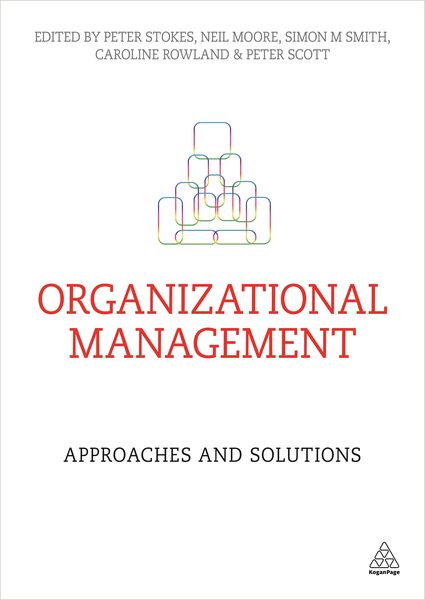
Organizational Management Approaches and Solutions
-
- Taschenbuch ausgewählt
- eBook
-
Sprache:Englisch
71,99 €
inkl. gesetzl. MwSt.,
Beschreibung
Produktdetails
Einband
Taschenbuch
Erscheinungsdatum
03.03.2016
Herausgeber
Peter Stokes + weitereVerlag
Kogan Page LtdSeitenzahl
296
Maße (L/B/H)
24,4/17/1,6 cm
Gewicht
501 g
Auflage
1
Sprache
Englisch
ISBN
978-0-7494-6836-1
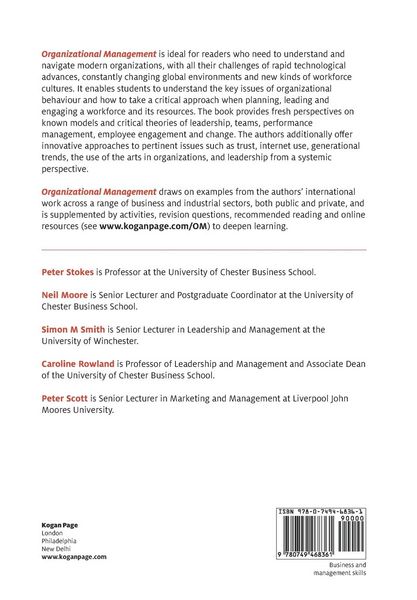
Organizational Management
is ideal for readers who need to understand modern organizations. This book enables students to understand the key issues of organizational behaviour and how to take a critical approach when planning, leading and engaging a workforce and its resources. The book provides fresh perspectives on known models and critical theories on leadership, teams, performance management, employee engagement and change. The authors also offer the reader innovative approaches to leading-edge issues such as trust, internet use, generational trends, the use of the arts in organizations and leadership from a systemic perspective.
Organizational Management
draws on examples from the authors' international work across a range of business and industrial sectors, both public and private, and is supplemented by activities, revision questions, recommend reading and online resources to deepen learning. Rapid technological advances, constantly changing global environments and new kinds of workforce cultures mean that organizations are constantly being challenged. This book equips the reader with the ability to navigate this turbulent environment through both established and novel forms of organizational management.
Online supporting resources for this book include summaries, diagrams and case study scenarios to help readers easily understand theories and contextualize experiences in the workplace
Noch keine Bewertungen vorhanden
Verfassen Sie die erste Bewertung zu diesem Artikel
Helfen Sie anderen Kundinnen und Kunden durch Ihre Meinung.
Kurze Frage zu unserer Seite
Vielen Dank für Ihr Feedback
Wir nutzen Ihr Feedback, um unsere Produktseiten zu verbessern. Bitte haben Sie Verständnis, dass wir Ihnen keine Rückmeldung geben können. Falls Sie Kontakt mit uns aufnehmen möchten, können Sie sich aber gerne an unseren Kund*innenservice wenden.
zum Kundenservice