Gutscheinbedingungen

**Gültig bis 17.08.2026 auf Schreibwaren & Office-Artikel online auf thalia.at, in der Thalia App und in teilnehmenden Thalia Buchhandlungen in Österreich mit Schulsortiment. In den Buchhandlungen nur gültig auf lagernde Ware. Einzelne Artikel können ausgeschlossen sein. Ausgenommen sind preisgebundene Artikel. Pro Einkauf einmal einlösbar. Nur gültig gegen Vorlage oder im Onlineshop hinterlegter Bonuscard. Infos zur Einlösung in der Buchhandlung sind auf der Bonuscard-Vorteilspreisseite zu finden. Click & Collect nur bei Onlinevorabzahlung möglich. Keine Einlösung bei Scan & Go-Bezahlung. Keine Barauszahlung. Nicht kombinierbar mit anderen Aktionen und Gutscheinen. Gutschein wird auf max. 500€ Bestellwert angerechnet. Nicht gültig für Geschenkkarten, Versandkosten und Services.

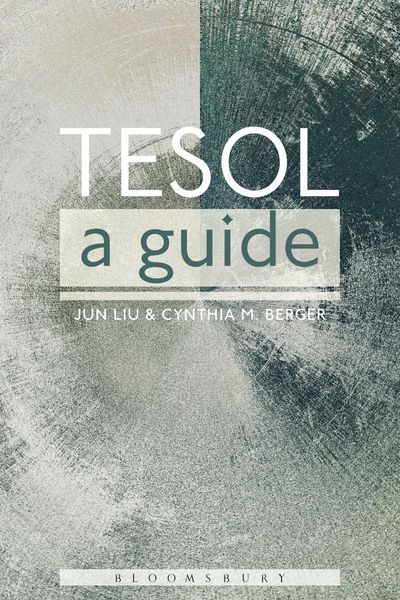
Produktbild: TESOL

TESOL A Guide

63,99 €

inkl. gesetzl. MwSt., Versandkostenfrei


Beschreibung

Produktdetails

Einband

Taschenbuch

Erscheinungsdatum

26.02.2015

Verlag

Bloomsbury Academic

Seitenzahl

342

Maße (L/B/H)

23,4/15,6/1,8 cm

Gewicht

521 g

Sprache

Englisch

ISBN

978-1-4742-2866-4

Beschreibung

Produktdetails

Einband

Taschenbuch

Erscheinungsdatum

26.02.2015

Verlag

Bloomsbury Academic

Seitenzahl

342

Maße (L/B/H)

23,4/15,6/1,8 cm

Gewicht

521 g

Sprache

Englisch

ISBN

978-1-4742-2866-4

Herstelleradresse

Libri GmbH
Europaallee 1
36244 Bad Hersfeld
DE

Email: GPSR Kontakt

Noch keine Bewertungen vorhanden

Verfassen Sie die erste Bewertung zu diesem Artikel

Helfen Sie anderen Kundinnen und Kunden durch Ihre Meinung.

Kundinnen und Kunden meinen

Bewertungen (0)

Die Leseprobe wird geladen.
  • Produktbild: TESOL
  • Table of Contents
    Acknowledgements
    Table of Contents
    Foreword (TBT)
    Preface
    1. Introduction: What is TESOL?
    1.1 The Three Dimensions of TESOL
    1.1.1 TESOL as a Profession
    1.1.2 TESOL as a Field of Study
    1.1.3 TESOL as an International Association
    1.2 The TESOL Study: A Historical Perspective
    1.2.1 Methodology
    1.2.2 Findings
    1.2.3 Emergent Issues
    1.2.4 The Habits & Abilities of a Future TESOL Professional
    2. TESOL as a Profession
    2.1 Introduction: What is the TESOL Profession?
    2.2 Certificate Programs
    2.2.1 Common Certificates
    2.2.2 Endorsement Certificates
    2.3 Degree Programs
    2.3.1 Bachelor of Arts or Science in TESOL
    2.3.2 MA or MED in TESOL
    2.3.3 PhD in TESOL
    2.4 Standards
    2.4.1 What are TESOL Standards?
    2.4.2 TESOL International Association Standards
    2.4.3 A Proposed Framework of Standards for Teachers of English in ESL/EFL Settings
    2.5 Professional Development
    2.5.1 What is Professional Development?
    2.5.2 What are the Purposes of Professional Development?
    2.5.3 What is Reflective Teaching? Critical Reflection?
    2.5.4 How can I Learn from Colleagues?
    2.5.5 How can I Acquire New Knowledge?
    2.5.6 How can I Solve a Particular Problem in the Classroom?
    2.5.7 How can I Keep my Skills Current with Advances in Technology and/or Changes in the Field?
    2.5.8 How can I Advance my Career?
    2.5.9 How can I Prevent Burnout, Feel Less Isolated, and/or Find Fulfillment in my Work?
    2.5.10 Graduate Student Professional Development
    3. TESOL as a Field of Study
    3.1 TESOL Research
    3.1.1 What is TESOL Research?
    3.1.2 What are Some Characteristics of TESOL Research?
    3.1.3 What are the Steps in Doing TESOL Research?
    3.1.4 What is the TESOL Research Agenda?
    3.2 TESOL Research Methodology
    3.2.1 TESOL Methodological Considerations
    3.2.2 TESOL Research Methodological Options
    3.2.3 Action Research as a TESOL Research Methodological Option
    3.2.4 The Uniqueness of TESOL Research as a Methodological Option
    3.3 Pertinent Issues in TESOL
    3.3.1 Communicative Competence
    3.3.2 Affective Variables
    3.3.3 The Role of Grammar
    3.3.4 The Role of Technology
    3.3.5 English as a lingua franca (ELF), English as an International Language (EIL), and World Englishes (WE)
    3.3.6 Non-native English Speakers in TESOL
    3.3.7 Teacher Education and Development
    3.3.8 Multilingualism and Multiculturalism
    3.3.9 Teaching English to Younger Learners (TEYL)
    3.3.10 Assessment and Testing
    4. TESOL as a Professional Association
    4.1 Evolution of TESOL as an International Association
    4.1.1 History of TESOL: An interview with James Alatis
    4.1.2 Reflections of Leaders of TESOL
    4.2 The Scope of TESOL International Association Today
    4.2.1. TESOL Membership
    4.2.2 TESOL Governance
    4.2.3 TESOL Standing Committees
    4.2.4 TESOL Interest Sections
    4.2.5 TESOL Affiliates
    4.2.6 TESOL Advocacy
    4.2.7 TESOL Staff Office
    4.3 Resources of TESOL International Association
    4.3.1 TESOL Conventions
    4.3.2 TESOL Symposia
    4.3.3 TESOL Academies
    4.3.4 TESOL Position Statements, Professional Papers, and Briefs
    4.3.5 TESOL Publications
    4.3.6 TESOL Community
    4.3.7 TESOL Resource Center
    4.3.8 TESOL Webinars and Online Courses
    4.3.9 TESOL Awards and Grants
    5. TESOL Resources
    5.1 Common TESOL Acronyms and Initialisms
    5.2 TESOL-Related Professional Associations
    5.3 TESOL Job Market and Job Placement Eesources
    5.4 TESOL Research Outlets
    5.5 Web Resources for TESOL
    5.5 TESOL-Related Terminology
    6. References
    7. Index