KI-Beratung Beta

Gutscheinbedingungen

**Gültig bis 30.11.2026 auf Spielzeug, Schreibwaren, Filme, Geschenke & Trends, Musik, tolino eReader & Zubehör, Hörbücher und Hörbuch-Downloads, nicht preisgebundene Bücher und Kalender online auf thalia.at und in der Thalia App. Einzelne Artikel können ausgeschlossen sein. Aufgrund der Buchpreisbindung sind deutschsprachige Bücher und eBooks ausgenommen. Zusätzlich ausgenommen sind Abos & Flatrates, Games, Geschenkkarten/-boxen, Shelfies, Software, Zeitschriften sowie einzelne Artikel von tonies®. Pro Einkauf einmal einlösbar. Nur gültig mit im Onlineshop hinterlegter Bonuscard. Click & Collect nur bei Onlinevorabzahlung möglich. Keine Barauszahlung. Nicht kombinierbar mit anderen Aktionen und Gutscheinen. Gutschein wird auf max. 500€ Bestellwert angerechnet. Nicht gültig für Versandkosten und Services.

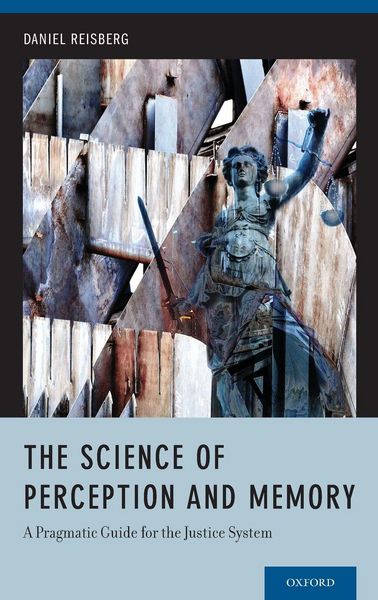
  • Produktbild: The Science of Perception and Memory
  • Produktbild: The Science of Perception and Memory

The Science of Perception and Memory

158,99 €

inkl. gesetzl. MwSt., Versandkostenfrei


Beschreibung

A robbery victim tries to remember how the crime unfolded and who was present at the scene. A medical patient recalls the doctor saying that the pain in her side wasn't worrisome, and now that the tumor is much larger, she's suing. An investigation of insider trading hinges on someone's memory of exactly...

Beschreibung

A robbery victim tries to remember how the crime unfolded and who was present at the scene. A medical patient recalls the doctor saying that the pain in her side wasn't worrisome, and now that the tumor is much larger, she's suing. An investigation of insider trading hinges on someone's memory of exactly what was said at a particular business meeting. In these and countless other examples, our ability to remember our experiences is crucial for the justice system. The problem, though, is that perception and memory are fallible. How often do our eyes or memories deceive us? Is there some way to avoid these errors? Can we specify the circumstances in which perceptual or memory errors are more or less likely to occur?
Professor Daniel Reisberg tackles these questions by drawing on the available science and his personal experience training attorneys. He provides detailed pragmatic advice that will prove helpful to law enforcement, prosecutors, defenders, and anyone else who hopes to maximize the quality of the evidence available to the courts -- whether the evidence is coming from witnesses, victims, or defendants.
This book is carefully rooted in research but written in a way that will make it fully accessible to non-scientists working in the justice system. Early chapters provide an overview of the relevant science and a broad portrait of how perception and memory function. Later chapters offer practical solutions for navigating situations involving eyewitness identifications, remembered conversations, evidence obtained from interviews with children, confession evidence, and the risks of false confession.

Produktdetails

Einband

Gebundene Ausgabe

Erscheinungsdatum

29.01.2015

Abbildungen

7 illustrations

Verlag Oxford University Press

Produktdetails

Einband

Gebundene Ausgabe

Erscheinungsdatum

29.01.2015

Abbildungen

7 illustrations

Verlag Oxford University Press
Seitenzahl

386

Maße (L/B/H)

24/16,1/2,5 cm

Gewicht

743 g

Sprache

Englisch

ISBN

978-0-19-982696-4

Herstelleradresse

Libri GmbH
Europaallee 1
36244 Bad Hersfeld
DE

Email: gpsr@libri.de

Noch keine Bewertungen vorhanden

Verfassen Sie die erste Bewertung zu diesem Artikel

Helfen Sie anderen Kundinnen und Kunden durch Ihre Meinung.

Kundinnen und Kunden meinen

Bewertungen (0)

  • Produktbild: The Science of Perception and Memory
  • Produktbild: The Science of Perception and Memory

    • Preface


    • 1. Foundations


    • 2. Perception


    • 3. Memory


    • 4. Witness IDs


    • 5. ID Procedures


    • 6. Voices and Conversation


    • 7. Lies


    • 8. Confessions


    • 9. Jury Cognition


    • 10. Kids


    • 11. Kid Investigations


    • Epilogue


    • References