
• Produktbild: Inedible Meat by-Products
  • Produktbild: Inedible Meat by-Products
Band 8

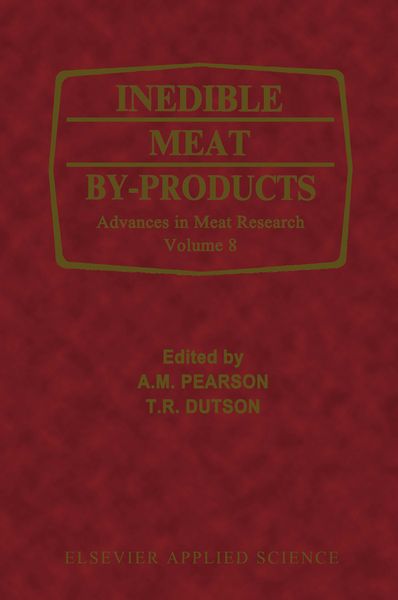
Inedible Meat by-Products

49,99 €

inkl. gesetzl. MwSt., Versandkostenfrei


Beschreibung

Produktdetails

Einband

Taschenbuch

Erscheinungsdatum

01.08.2012

Verlag

Springer Netherland

Seitenzahl

416

Maße (L/B/H)

22,9/15,2/2,4 cm

Gewicht

633 g

Auflage

Softcover reprint of the original 1st ed. 1992

Sprache

Englisch

ISBN

978-94-011-7935-5

Beschreibung

Produktdetails

Einband

Taschenbuch

Erscheinungsdatum

01.08.2012

Verlag

Springer Netherland

Seitenzahl

416

Maße (L/B/H)

22,9/15,2/2,4 cm

Gewicht

633 g

Auflage

Softcover reprint of the original 1st ed. 1992

Sprache

Englisch

ISBN

978-94-011-7935-5

Herstelleradresse

Springer-Verlag KG
Sachsenplatz 4-6
1201 Wien
AT

Email: GPSR Kontakt

Noch keine Bewertungen vorhanden

Verfassen Sie die erste Bewertung zu diesem Artikel

Helfen Sie anderen Kundinnen und Kunden durch Ihre Meinung.

Kundinnen und Kunden meinen

Bewertungen (0)

  • Produktbild: Inedible Meat by-Products
  • Produktbild: Inedible Meat by-Products
  • 1. An Overview of Inedible Meat, Poultry and Fishery By-Products.- I. Introduction.- II. Raw Materials.- A. Composition.- B. Sources.- C. Collection.- III. Classification and Utilization.- IV. Processing.- V. Volumes and Economic Impact.- A. Volumes.- B. Economic Impact.- VI. Import and Export Markets.- A. Hides and Pelts.- B. Tallow and Grease.- C. Meat Meal.- VII. Changing Nature of Markets.- VIII. New Opportunities.- IX. Conclusions.- X. References.- 2. Handling, Grading, and Curing of Hides and Skins.- I. Introduction.- II. The Animal Hide or Skin.- A. Structure and Function.- B. Raw Material for Leather Manufacture.- C. Other Uses for Animal Hides and Skins.- III. Curing/Preservation of Raw Hides and Skins.- A. Handling of Raw Skins: Preventing Deterioration.- B. Salt Pack.- C. Frigorificos.- D. Brine Curing.- E. Non-Salt Preservation.- IV. Marketing of Hides and Skins.- A. Standards for Cattlehide Marketing.- B. Pigskins.- C. Sheepskins and Goatskins.- V. Export of Hides and Skins.- VI. Future of Hide and Skin Preservation and Marketing.- VII. Summary.- VIII. References.- 3. The Tanning Process and the Production of Finished Leather Goods.- I. Raw Material Types and Sources.- A. Cattle Skins and Hides.- B. Sheepskins and Lambskins.- C. Pig and Hog Raw Materials.- D. Other Species.- II. Temporary Preservation of Raw Material.- A. Salt Curing.- B. Chrome-in-the Blue Production and Fresh Hide Processing.- III. Leather Manufacturing Technology.- A. Tannery Hide Substance Purification by Beamhouse Processes.- B. Hide Substance Tannage Processes.- C. Retannage Coloring and Lubrication.- D. Leather Drying.- E. Finishing of Leather.- F. Trends in Types of Leather.- IV. Leather Goods Production.- A. Footwear Manufacturing.- B. Other Leather Goods Manufacturing.- V. Industry Trends.- VI. Summary.- VII. References.- 4. Wool and Hair.- I. Introduction.- II. Production Alternatives—Costs and Benefits.- III. Wool.- A. Alternatives.- B. Different Processes.- C. The Woolly Skin.- D. Wool Separated from the Skins.- E. Steps in Skin Separation.- F. Preparation of Skins for Sliping.- G. Removal of Wool from the Skin.- H. Wool Prices.- I. Features of Slipe Wool.- J. Determining Wool Characteristics.- IV. Hair.- A. Hair-On Leather Goods.- B. Other Uses for Hair.- V. Summary.- VI. References.- 5. Blood Meal, Meat and Bone Meal and Tallow.- I. Introduction.- II. Blood Meal.- A. Blood, A Valuable By-Product.- B. Composition and Yields of Blood.- C. Blood Collection, Transportation and Storage.- D. Blood Processing.- III. Meat and Bone Scraps, Tallows and Meat and Bone Meals.- A. Rendering Raw Material and Product Yields.- B. Collection and Transportation of Raw Material.- C. Rendering Systems.- IV. Grades of Tallows and Greases.- V. Meat and Bone Meals.- A. Buyer’s Specifications.- B. Effects of Rendering Systems on Amino Acid Content.- VI. Uses of Tallows and Meat Meals.- A. Tallows.- B. Blood Meals.- C. Meat and Bone Meals.- VII. Summary.- VIII. References.- 6. Inedible Fats and Greases.- I. Introduction.- II. Processing.- III. Classification and Quality Assessment of Rendered Animal Fats.- A. Classification of Rendered Animal Fats.- B. Quality Assessment.- C. Classification of Fats used in the Feed Industry.- IV. Production and Usage of Inedible Tallow and Greases.- A. Volume Produced.- B. Markets for Rendered Fat.- V. Fat Digestion by Ruminant and Nonruminant Animals.- A. Ruminants.- B. Nonruminants.- VI. Nutritional Characteristics of Rendered Fats.- VII. Uses and Selection of Fats for Livestock Diets.- A. Poultry.- B. Swine.- C. Dairy.- D. Beef.- E. Milk Replacers for Calves.- F. Miscellaneous Roles of Fat in the Feed Industry.- VIII. Production of Fatty acids and Lubricants from Inedible Fats and Greases.- A. Fatty acids.- B. Lubricants.- IX. Summary.- X. References.- 7. Soap and Detergents.- I. Early History of Soap Making.- A. From By-Product to Valuable Consumer Product.- II. Chemistry of Soapmaking.- III. Raw Materials Used in Soap Manufacture.- IV. Physical and Chemical Properties of Soap.- A. Solid Soap Phases.- B. Why Tallow is an Important Ingredient in Soap.- C. Alternative Soapmaking Materials.- D. Properties of Soap.- V. How Soap Works.- A. Uses of Soap-Based Products.- B. Bar Soaps and How They are Made.- C. Water Hardness Reaction.- D. Rancidity.- E. Soap-Alkaline Reaction.- VI. Influence of Raw Materials on Physical and Chemical Properties of Soap.- A. Effect of Fats.- B. Effect of Base.- VII. Soap-Making Processes.- A. Kettle Process.- B. Continuous Soapmaking (Fatty Acid Route).- C. Continuous Soapmaking (Neutral Fat Saponification).- D. The New SaponiflexTM Process.- VIII. Detergents.- IX. Summary.- X. References.- 8. Feathers, Feather Meal and Other Poultry By-Products.- I. Introduction.- II. Feathers.- A. Yield of Feathers.- B. Composition.- C. Products.- III. Feather Meal.- A. Definition.- B. Production Process.- C. Composition.- D. Nutritive Value of Feathers.- IV. Hackle Feathers for Fly Tying.- A. Use.- V. Blood Meal (BM).- A. Definition.- B. Availability.- C. Production Process.- D. Nutritive Value.- VI. Inedible Poultry By-Product Meal (PBPM).- A. Definition.- B. PBPM Availability.- C. Nutritive Value.- VII. Poultry Hatchery By-Product.- A. Definition.- B. Effect of Source on Nutritive Value.- VIII. Other Poultry Wastes—Hatchery Wastes, Dead Birds, Wastage from Egg-Breaking Plants and Slaughter-House Wastes.- A. Definition.- B. Product Development for Recycling Hatchery Wastes, Dead Birds, Wastage from Egg Breaking Plants and Slaughter-House Wastes.- C. Waste from Egg-Breaking Plants.- IX. Summary.- X. References.- 9. Fish Processing By-Products and their Recalamation.- I. Introduction.- II. Fish Meal and Its Production.- A. and Location of Industry and Some Probable Influences on Future Production.- B. Fish-Meal Production Methods.- C. Factors Affecting Fish Meal Quality.- D. Fish Solubles and Fish Oil.- E. Crustacean Meals.- F. Molluscan Meals.- III. Other Fishery By-Products—Production and Uses.- A. Fish Silage.- B. Liquefied Fish.- C. Fish Hydrolysates.- IV. Other Uses of Fish Processing Waste.- A. Bait.- B. Pet Feeds and Flavorings.- C. Fertilizers and Compost.- D. Chitin and Chitosan.- E. Pharmaceuticals.- F. Fish Leather.- G. Other Products.- V. Future Considerations.- VI. References.- 10. Inedible Gelatin and Glue.- I. Introduction.- II. Gelatin Quality Grades.- III. Collagen Raw Materials.- A. Collagen Protein Structure.- B. Raw Materials for Making Gelatin.- IV. Gelatin and Glue-Making Processes.- A. Rawstock Preparation.- B. Rawstock Pretreatment.- C. Extraction.- D. Post-Extraction Processing.- E. Chemical Modification.- V. Physical and Chemical Testing and Standards.- A. Moisture and Ash.- B. Gelatin and Concentration.- C. Gel Setting and Melting.- D. Gel Strength and Bloom Value.- E. Viscosity.- F. Average Molecular Weight and Molecular Weight Distributions.- G. Amino Acid Composition.- H. Isoionic and Isoelectric Points.- I. Color and Clarity.- VI. Properties of Gelatin Solutions, Gels and Solids.- A. Molecular Size and Shape.- B. Hydrolysis.- C. Polyampholyte Properties.- D. Colloid Protection and Flocculation.- E. Gel Formation.- F. Organic Solvents.- VII. Photographic Uses of Gelatin.- A. Precipitation and Chemical Sensitization of Silver Halide Emulsions.- B. Coating of Emulsion and Non-Emulsion Layers.- C. Role in Image Forming.- D. Role During Chemical Processing.- VIII. Summary.- IX. References.- 11. Methods of Disposal of Paunch Contents with Emphasis on Composting.- I. Introduction.- II. Characteristics of Paunch Manure.- A. High Moisture Content.- B. High Ratio of Suspended Solids.- C. High Content of Organic Matter.- D. Strong and Objectionable Odor.- E. Favorable Growth Medium for Pathogens, Insects and Rodents.- III. Methods of Disposal.- A. Landfills.- B. Lagoons and Waste-Water Treatment Facilities.- C. Spreading Untreated Raw Paunch Manure Directly onto Agricultural Fields.- D. Re-feeding Ensilaged/Silaged Paunch Manure to Livestock.- E. Burning.- F. Composting Paunch Waste into an Organic Fertilizer.- IV. Composting Methodology.- A. Advantages.- B. Methods of Composting.- C. Humus.- V. Summary.- VI. References.- 12. Pharmaceutical and Biological Products.- I. Introduction.- II. Animal Products as Nutritional Supplements.- A. Liver.- B. Heart.- C. Tongue.- D. Kidneys.- E. Thymus Glands.- F. Brains.- G. Tripe and Intestines.- H. Fish Oils.- I. Fish Meal.- III. Animal Products Used as Pharmaceuticals.- A. Glandular Extracts.- IV. Summary.- V. References.- 13. Inedible Meat, Poultry and Fish By-Products in Pet Foods.- I. Importance of Inedible Meat By-Products in Pet Foods.- A. Nutrition versus Pet Owner Satifaction.- B. Animal versus Vegetable Ingredients.- II. Sources of By-Products for Pet Foods.- III. Use of By-Products in Pet Foods.- A. Proteins.- B. Fats.- C. Bones and Minerals.- D. Egg Products.- E. Blood Meal.- F. Feathers and Hair.- G. Hide Meal.- H. Digests and Flavor Enhancers.- I. Extruded Dead Birds as a Method of Disposal.- IV. Competition and Allocation of By-Products Between Pet Foods and Other Uses.- A. Tallow versus Vegetable Oils.- B. Fishmeal versus Oilseed Proteins.- V. Special Processing for Pet Foods.- A. Economics Associated with Various Pet Foods.- VI. Types of Pet Food and Uses of By-Products.- A. Dry-Type Foods.- B. Canned Pet Foods.- C. Semi-Moist Foods.- D. Frozen and Fresh Pet Foods.- VII. New Problems-Bovine Spongiform Encephalopathy (BSE).- VIII. Summary.- IX. References.- 14. Leathers Used in Sporting Goods.- I. Introduction.- II. Guidelines for Selection of Rawstock.- A. Factors Influencing Selection.- III. Tanning Sporting Goods Leathers.- A. Types of Tanning Material.- B. Selection and Tanning of Baseball Leathers.. •.- C. Selection and Tanning of Cricket Ball Leathers •.- D. Selection and Tanning of Softball Leathers.- E. Selection and Tanning of Baseball Glove Leathers.- F. Selection and Tanning of Basketball Leathers.- G. Selection and Tanning of Football Leathers.- H. Selection and Tanning of Soccer Ball Leathers.- IV. Summary.- V. References.- 15. Land Application of Paunch Manure and Blood.- I. Introduction.- II. Production and Characteristics of Manure, Blood and Paunch Manure.- III. Land Application.- A. Nutrient Value of Manure and Paunch Contents.- IV. Soil Properties, Transportation and Application of Packinghouse Waste.- A. Influence of Soil Properties.- B. Transportation and Application.- V. Example Problem for Land Application of Animal Processing Waste.- A. Animal Processing Waste Application Plan.- VI. Summary.- VII. References.- 16. Reduction of Pollution and Reclamation of Packinghouse Waste Products.- I. Introduction.- II. The Recycling Concept.- A. Disposal Systems.- III. Water.- A. Waste Water.- B. Water Consumption Management.- C. Water Pollution Management.- D. Water Pollution Control Actions.- E. Advanced Pretreatment.- F. Effluent Treatment in a Local Municipal Plant.- G. Effluent Treatment Within a Meat Plant.- H. Cattle Slaughtering Plants.- I. Pig Slaughtering Plants.- J. Poultry Slaughtering Plants.- IV. Air Pollution.- A. Main Sources of Odours.- B. Abatement Methods.- V. Collection and Disposal of Solid Waste.- A. Solid Waste Products.- B. Amounts and Chemical Composition.- C. Collection.- D. Methods of Disposal.- VI. External Noise Abatement.- A. Sources of Noise.- B. Noise Measuring Conditions.- C. Noise Mapping.- D. Traffic Noise.- VII. Summary.- VIII. References.