Gutscheinbedingungen

**Gültig von 22.06.2026 ab 19 Uhr bis 23.06.2026 24 Uhr auf Spielzeug, Schreibwaren, Filme, Geschenke & Trends, Musik, tolino eReader & Zubehör, Hörbücher und Hörbuch-Downloads (außer Abo), nicht preisgebundene Bücher und Kalender online auf thalia.at und in der Thalia App. Einzelne Artikel können ausgeschlossen sein. Aufgrund der Buchpreisbindung sind deutschsprachige Bücher und eBooks ausgenommen. Zusätzlich ausgenommen sind preisgebundene Artikel, Abos & Flatrates, eBooks, Games, Geschenkkarten/-boxen, Shelfies, Software, Zeitschriften sowie einzelne Artikel von tonies®. Pro Einkauf einmal einlösbar. Click & Collect nur bei Onlinevorabzahlung möglich. Keine Barauszahlung. Nicht kombinierbar mit anderen Aktionen und Gutscheinen. Gutschein wird auf max. 500€ Bestellwert angerechnet. Nicht gültig für Versandkosten und Services.

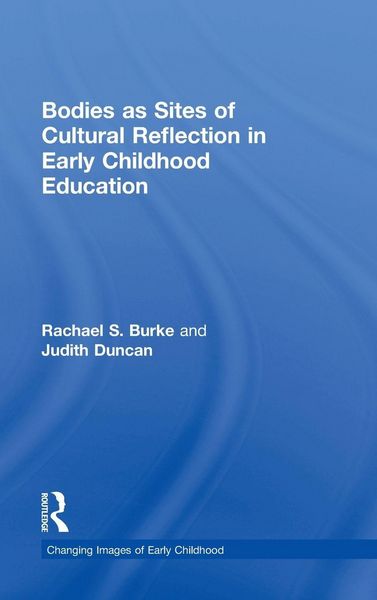
Produktbild: Bodies as Sites of Cultural Reflection in Early Childhood Education

Bodies as Sites of Cultural Reflection in Early Childhood Education

276,99 €

inkl. gesetzl. MwSt., Versandkostenfrei


Beschreibung

Produktdetails

Einband

Gebundene Ausgabe

Erscheinungsdatum

28.11.2014

Verlag

Taylor and Francis

Seitenzahl

200

Maße (L/B/H)

23,5/15,7/1,5 cm

Gewicht

408 g

Sprache

Englisch

ISBN

978-1-138-79503-7

Beschreibung

Produktdetails

Einband

Gebundene Ausgabe

Erscheinungsdatum

28.11.2014

Verlag

Taylor and Francis

Seitenzahl

200

Maße (L/B/H)

23,5/15,7/1,5 cm

Gewicht

408 g

Sprache

Englisch

ISBN

978-1-138-79503-7

Herstelleradresse

Libri GmbH
Europaallee 1
36244 Bad Hersfeld
DE

Email: gpsr@libri.de

Kundinnen und Kunden meinen

0 Bewertungen

Informationen zu Bewertungen

Zur Abgabe einer Bewertung ist eine Anmeldung im Konto notwendig. Die Authentizität der Bewertungen wird von uns nicht überprüft. Wir behalten uns vor, Bewertungstexte, die unseren Richtlinien widersprechen, entsprechend zu kürzen oder zu löschen.

Die Bewertungen sind nach Format, Anzahl Sterne und Datum sortiert.

Verfassen Sie die erste Bewertung zu diesem Artikel

Helfen Sie anderen Kund*innen durch Ihre Meinung

Kundinnen und Kunden meinen

0 Bewertungen filtern

Die Leseprobe wird geladen.
  • Produktbild: Bodies as Sites of Cultural Reflection in Early Childhood Education
  • LIST OF FIGURES FOREWORD ACKNOWLEDGEMENTS NOTE ON AUTHORS GLOSSARY OF KEY TERMS SERIES EDITOR INTRODUCTION CHAPTER 1: Introduction Introduction Personal Connections Theoretical Underpinnings Marcel Mauss and the emergence of the body in anthropological theory. The work of Mary Douglas. Michel Foucault and the body. The three bodies. Methodology Behind the Scenes The Field Field site structure and daily routines. Fieldwork methods. The Development of Early Childhood Services in New Zealand and Japan New Zealand. Japan. Bodily Practices. Outline of the Book Chapter References Chapter Endnotes CHAPTER 2: Children's Bodies as Contested Sites Introduction The Un(clothed) Body The naked child in Japanese educational settings. The Japanese Child's Body as a Symbol of Nostalgia Skinship as cultural ideology. The collective unclothed body. The Protected Body in New Zealand Early Childhood Education Bodies under surveillance. Normalising the clothed body. Keeping the Japanese Child's Body Safe Framing the Child's Body Notions of privacy. The Body as a Site of Excretion The body as teacher in Japanese early childhood education. Reflecting on Children's Bodies as Culturally Contested Chapter References Chapter Endnotes CHAPTER 3: Embodying the Curriculum Introduction Engaging the Body in Sensory Play Wrapping and unwrapping the body. Messy play. The Body as a Counterpoint to Modern Lifestyles Body Techniques The cultural meanings of touch. The body as a medium of communication. The Physical Self Embodying gambaru in the Japanese context. Reflections on Embodying the Curriculum Chapter References Chapter Endnotes CHAPTER 4: Risk and the Body Introduction Towards a Discourse of Risk The Position of Children in the Risk Society Perilous Play: The Kindergarten Playground as Culturally Contested Space A Pedagogy of Risk Creating Real and Imagined Boundaries to Minimise Risk Cultural Definitions of Safe Supervision The low profile of Japanese teachers. The use of real tools. Tools as iconic symbols. Assessing the risks and rewards of real tools. Defining objects in play as safe or risky. Perceptions of Risk and the Body Chapter References Chapter Endnotes CHAPTER 5: The Body as a Site of Discipline Introduction Deconstructing Noise Noise as counterproductive. Noise as organic. Conflict and Confrontation Rights discourses in New Zealand. The lessons of conflict. Learning communicative competency. Developing empathy. The Use of Time and Space Time and space as disciplinary techniques in the Japanese kindergarten. Children's Bodies as Objects of the Medical Gaze Reflecting on the Body as a Site of Discipline Chapter References Chapter Endnotes CHAPTER 6: The Body as Natural Symbol Introduction Dirt and the Body The Physical Body as a Microcosm of Society The Symbolism of Protective Barriers Bodily Fluids as Metaphors of Disorder Purification of the Body Polluted spaces. Food In and Out of Place Rituals around food. The lunchbox as a reflection of cultural ideology. Reflecting on Constructions of Dirt, Pollution and Purity Chapter References Chapter Endnotes CHAPTER 7: Bodies in Context Introduction Bodies from the Beginning Constructing the body. The body and its products. Internalising techniques of the body. Order and the body. Approaches to Dirt and Pollution Coming Full Circle Chapter References INDEX