Gutscheinbedingungen

**Gültig bis 05.10.2026 ab einem Mindestbestellwert von 30€ auf Spielzeug, Schreibwaren, Filme, Geschenke & Trends, Musik, tolino eReader & Zubehör, Hörbücher und Hörbuch-Downloads, nicht preisgebundene Bücher und Kalender online auf thalia.at und in der Thalia App. Einzelne Artikel können ausgeschlossen sein. Aufgrund der Buchpreisbindung sind deutschsprachige Bücher und eBooks ausgenommen. Zusätzlich ausgenommen sind Abos & Flatrates, Games, Geschenkkarten/-boxen, Shelfies, Software, Zeitschriften sowie einzelne Artikel von tonies®. Pro Einkauf einmal einlösbar. Nur gültig mit im Onlineshop hinterlegter Bonuscard. Click & Collect nur bei Onlinevorabzahlung möglich. Keine Barauszahlung. Nicht kombinierbar mit anderen Aktionen und Gutscheinen. Gutschein wird auf max. 500€ Bestellwert angerechnet. Nicht gültig für Versandkosten und Services. Preisgebundene Artikel sind vom Mindestbestellwert ausgeschlossen.

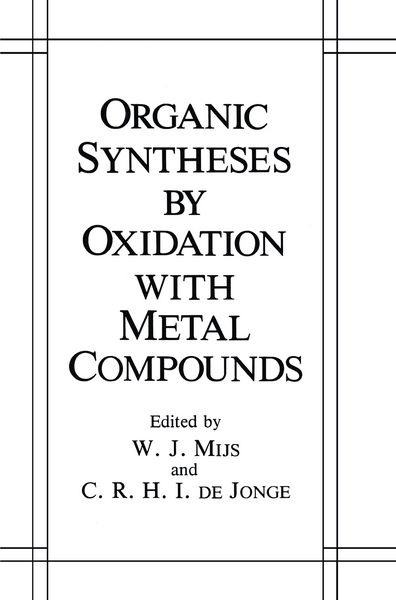
Produktbild: Organic Syntheses by Oxidation with Metal Compounds

Organic Syntheses by Oxidation with Metal Compounds

138,99 €

inkl. gesetzl. MwSt., Versandkostenfrei


Beschreibung

Produktdetails

Einband

Taschenbuch

Erscheinungsdatum

17.10.2011

Abbildungen

XXVIII, 908 p.

Herausgeber

W.J. Mijs + weitere

Verlag

Springer Us

Seitenzahl

908

Maße (L/B/H)

25,4/17,8/5 cm

Gewicht

1728 g

Auflage

1986

Sprache

Englisch

ISBN

978-1-4612-9248-7

Beschreibung

Produktdetails

Einband

Taschenbuch

Erscheinungsdatum

17.10.2011

Abbildungen

XXVIII, 908 p.

Herausgeber

Verlag

Springer Us

Seitenzahl

908

Maße (L/B/H)

25,4/17,8/5 cm

Gewicht

1728 g

Auflage

1986

Sprache

Englisch

ISBN

978-1-4612-9248-7

Herstelleradresse

Springer-Verlag GmbH
Tiergartenstr. 17
69121 Heidelberg
DE

Email: ProductSafety@springernature.com

Noch keine Bewertungen vorhanden

Verfassen Sie die erste Bewertung zu diesem Artikel

Helfen Sie anderen Kundinnen und Kunden durch Ihre Meinung.

Kundinnen und Kunden meinen

Bewertungen (0)

  • Produktbild: Organic Syntheses by Oxidation with Metal Compounds
  • 1. Oxidation by Vanadium Compounds.- 1. Introduction.- 2. Mechanisms.- 3.Scope and Limitations.- 4.Experimental Considerations and Procedures.- References.- 2. Oxidation by Oxochromium(VI) Compounds.- 1. Introduction.- 2. Mechanisms.- 3.Scope and Limitations.- 4.Experimental Considerations and Procedures.- References.- 3. The Oxidation of Organic Compounds by Active Manganese Dioxide.- 1.Introduction.- 2.Mechanism.- 3.Oxidation of Alcohols and Hydroxy Compounds.- 4.Dehydrogenation and Oxidative Aromatization.- 5.Hydrocarbons.- 6.Amines and Hydrazines.- 7.Miscellaneous Oxidations.- 8.Experimental Procedures.- References.- 4. Reactions with Manganese(III) Acetate.- 1. Introduction.- 2. Synthesis and Properties of Manganese (III) Acetate.- 3. Oxidative Addition Reactions of Acids to Olefinic Unsaturated Systems.- 4. Mn(III) Acetate-Initiated Addition of Aldehydes to Olefinic Unsaturated Systems.- 5. Mn(III) Acetate-Initiated Addition of Ketones to Olefinic Unsaturated Systems.- 6. Mn(III) Acetate-Acetone - Initiated Addition of Haloalkanes to Unsaturated Systems.- 7. Aromatic Substitution Reactions.- 8. Direct Oxidation Reactions with Manganese (III) Acetate.- 9. Synthetic Procedures.- References.- 5. Oxidations by Cobalt Compounds.- 1. Introduction.- 2. Mechanisms.- 3. Scope and Limitations.- 4. Experimental Considerations and Procedures.- References.- 6. Oxidation of Organic Compounds with Nickel Peroxide.- 1. Introduction.- 2. Mechanism of Oxidation.- 3. Scope and Limitations.- 4. Experimental Considerations.- References.- 7. Oxidations of Organic Compounds Catalyzed by Copper- and Cobalt-Amine Complexes.- 1. Introduction.- 2. Mechanism.- 3. Scope and Limitations.- 4. Experimental Considerations and Procedures.- 5. Tabular Survey of Oxidations of Organic Compounds Catalyzed by Copper- and Cobalt-Amine Complexes.- References.- 8. Ruthenium Tetroxide Oxidations.- 1. Introduction.- 2. The Mechanism of Ruthenium Tetroxide Oxidations.- 3. Scope and Limitations.- 4. Experimental Considerations and Procedures.- References.- 9. Oxidations Using Palladium Compounds.- 1. Introduction.- 2. Oxidation of Olefins.- 3. Vinylic Substitution Reactions.- 4. Aromatic Substitution Reactions.- 5. Oxidative Carbonylations.- 6. Some Reactions of Alcohols.- 7. Examples.- References.- 10. Silver Carbonate on Celite Oxidations.- 1. Introduction.- 2. Mechanism.- 3. Scope and Limitations.- 4. Experimental Procedures.- References.- 11. Cerium(IV) Oxidation of Organic Compounds.- 1. Introduction.- 2. Mechanism.- 3. Scope and Limitations.- Note Added in Proof.- 4. Experimental Conditions and Procedures.- 5. Tabular Survey of Oxidation Reactions.- References.- 12. Oxidations of Organic Compounds with Osmium Tetroxide.- 1. Introduction.- 2. General Mechanism of Osmium Tetroxide Oxidation Reactions.- 3. Scope and Limitations.- 4. Experimental Considerations and Procedures.- References.- 13. Thallium(IH) Salts as Oxidants in Organic Synthesis.- 1. Introduction.- 2. Scope and Limitations.- 3. Experimental Considerations and Procedures.- References.- 14. Oxidations with Lead Tetraacetate.- 1. Introduction.- 2. Hydrocarbons.- 3. Monohydroxylic Alcohols.- 4. 1,2-Diols and Polyols.- 5. Phenols.- 6. Carbonyl Compounds.- 7. Carboxylic Acids.- 8. Nitrogen-Containing Compounds.- 9. Experimental Considerations and Procedures.- 10. Addendum.- References.- 15. Bismuth-Salt Oxidations.- 1. Introduction.- 2. Sodium Bismuthate Oxidations.- 3. Bismuth Trioxide Oxidations.- 4. Organobismuth Reagents.- 5.The Toxicity of Bismuth.- References.- 16. Oxidations with Metal Compounds and Peroxides.- 1. Introduction.- 2. Mechanism.- 3. Scope and Limitations.- 4. Experimental Considerations and Procedures.- References.