Gutscheinbedingungen

**Gültig bis 06.07.2026 auf fremdsprachige Bücher online auf thalia.at, in der Thalia App ab einem Mindestbestellwert von 30€ und in allen Thalia Buchhandlungen in Österreich. In den Buchhandlungen nur gültig auf lagernde Ware. Einzelne Artikel können ausgeschlossen sein. Ausgenommen sind preisgebundene Artikel & eBooks. Pro Einkauf einmal einlösbar. Nur gültig gegen Vorlage oder im Onlineshop hinterlegter Bonuscard. Infos zur Einlösung in der Buchhandlung sind auf der Bonuscard-Vorteilspreisseite zu finden. Click & Collect nur bei Onlinevorabzahlung möglich. Keine Einlösung bei Scan & Go-Bezahlung. Keine Barauszahlung. Nicht kombinierbar mit anderen Aktionen und Gutscheinen. Gutschein wird auf max. 500€ Bestellwert angerechnet. Nicht gültig für Versandkosten und Services.

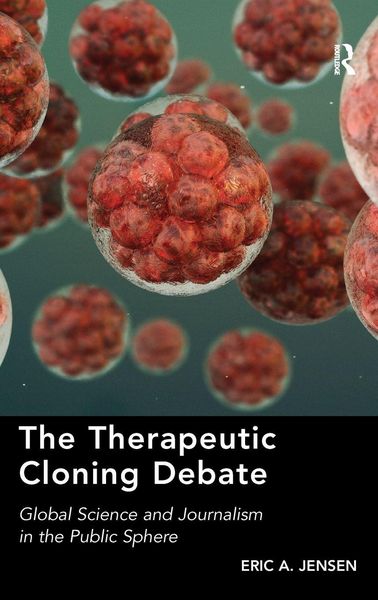
Produktbild: The Therapeutic Cloning Debate

The Therapeutic Cloning Debate Global Science and Journalism in the Public Sphere

265,99 €

inkl. gesetzl. MwSt., Versandkostenfrei


Beschreibung

Produktdetails

Einband

Gebundene Ausgabe

Erscheinungsdatum

28.02.2014

Verlag

Taylor and Francis

Seitenzahl

246

Maße (L/B/H)

24/16,1/1,8 cm

Gewicht

589 g

Sprache

Englisch

ISBN

978-1-4094-2982-1

Beschreibung

Produktdetails

Einband

Gebundene Ausgabe

Erscheinungsdatum

28.02.2014

Verlag

Taylor and Francis

Seitenzahl

246

Maße (L/B/H)

24/16,1/1,8 cm

Gewicht

589 g

Sprache

Englisch

ISBN

978-1-4094-2982-1

Herstelleradresse

Libri GmbH
Europaallee 1
36244 Bad Hersfeld
DE

Email: gpsr@libri.de

Noch keine Bewertungen vorhanden

Verfassen Sie die erste Bewertung zu diesem Artikel

Helfen Sie anderen Kundinnen und Kunden durch Ihre Meinung.

Kundinnen und Kunden meinen

Bewertungen (0)

Die Leseprobe wird geladen.
  • Produktbild: The Therapeutic Cloning Debate
  • Contents: Introduction; The struggle to define therapeutic cloning; Human cloning before Dolly; Epochal change in the contemporary human cloning debate; Therapeutic cloning science in the global risk society; Mediating scientific risk in the public sphere; The role of science journalism; Previous research on human cloning in the media; Scientific utopianism and balanced hype; Scientific dystopianism, balanced hype and haphazard hype; The role of science fiction in scientific dystopianism; Scientific nationalism; Sources: the raw materials of science news; Framing the science: the role of scientists in the mediated public sphere; Science politics from below: patient advocates and anti-abortion activists enter the fray; Science politics from below: anti-abortion groups ascend as the leading opposition; The ethical experts: professional bioethicists in the therapeutic cloning debate; Mediating public engagement: promises and problems; Conclusion; Appendix; Index.