KI-Beratung Beta

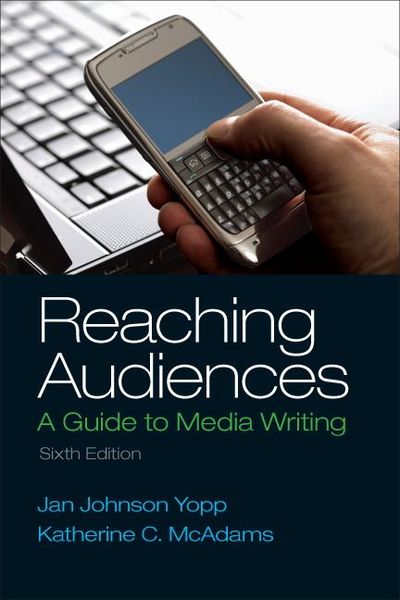
Produktbild: Reaching Audiences
- 17%

Reaching Audiences

17% sparen

145,99 € UVP 176,99 €

inkl. gesetzl. MwSt., Versandkostenfrei


Beschreibung

Produktdetails

Einband

Taschenbuch

Erscheinungsdatum

10.10.2024

Verlag

Pearson Studium

Seitenzahl

336

Maße (L/B/H)

23,4/15,6/1,9 cm

Gewicht

431 g

Auflage

6

Sprache

Englisch

ISBN

978-0-205-87437-8

Beschreibung

Produktdetails

Einband

Taschenbuch

Erscheinungsdatum

10.10.2024

Verlag

Pearson Studium

Seitenzahl

336

Maße (L/B/H)

23,4/15,6/1,9 cm

Gewicht

431 g

Auflage

6

Sprache

Englisch

ISBN

978-0-205-87437-8

Herstelleradresse

Pearson
St.-Martin-Straße 82
81541 München
DE

Email: salesde@pearson.com

Noch keine Bewertungen vorhanden

Verfassen Sie die erste Bewertung zu diesem Artikel

Helfen Sie anderen Kundinnen und Kunden durch Ihre Meinung.

Kundinnen und Kunden meinen

Bewertungen (0)

  • Produktbild: Reaching Audiences
  • In this Section:

    1. Brief Table of Contents
    2. Full Table of Contents
    1) Brief Table of Contents Part One: The Components of Good Writing
    • Chapter 1: Understanding Today's Audiences
    • Chapter 2: Tools for Writers: Spelling, Grammar, and Math
    • Chapter 3: Editing for Audiences
    • Chapter 4: Guidelines for Good Writing
    Part Two: Constructing the Message
    • Chapter 5: Getting to the Point
    • Chapter 6: Beyond the Lead: Writing the Message
    • Chapter 7: Specific Story Formats
    • Chapter 8: Writing for Digital Delivery
    Part Three: Gathering Information
    • Chapter 9: Research and Observation
    • Chapter 10: Interviewing, Quotes, and Attribution
    • Chapter 11: Recognizing Bias and Stereotypes
    • Chapter 12: Legal and Ethical Issues
    Part Four: Other Media
    • Chapter 13: Broadcast Media
    • Chapter 14: Strategic Communication
    2) Full Table of Contents Part One: The Components of Good Writing
    • Chapter 1: Understanding Today's Audiences
      • Reaching Audiences
      • Knowing Audiences
      • The Writing Process Explained
      • On Your Own
      • Exercises
      • References
    • Chapter 2: Tools for Writers: Spelling, Grammar, and Math
      • Spelling in the Computer Age
      • Grammar to the Rescue
      • Grammar Problems Up Close
      • Math for Writers
      • References
    • Chapter 3: Editing for Audiences
      • Watching Style
      • Editing Responsibilities
      • Editing for Online and Other Platforms
      • Putting the Editing Rules into Practice
      • Exercises
      • References
    • Chapter 4: Guidelines for Good Writing
      • Watchwords of Writing
      • Keys to Good Writing
      • Words
      • Sentences
      • Paragraphs–Short Paragraphs
      • The Way to Clearer Writing
      • Enough Guidelines!
      • Exercises
      • References
    Part Two: Constructing the Message
    • Chapter 5: Getting to the Point
      • What's the Point?
      • In the Beginning Comes the Lead
      • News Elements
      • News Values
      • General Rules for Leads
      • Summary Leads
      • Other Lead Formats
      • Writing Leads for Digital Media
      • Choosing a Lead Type and Elements
      • Exercises
    • Chapter 6: Beyond the Lead: Writing the Message
      • The Inverted Pyramid
      • Organizing a Story
      • News Peg and Nut Graph
      • Other Organizational Styles
      • Unifying Writing
      • Moving Forward
      • Exercises
      • References
    • Chapter 7: Specific Story Formats
      • News versus Feature
      • Putting It Together
      • Obituaries
      • Speech Stories
      • Exercises
      • References
    • Chapter 8: Writing for Digital Delivery
      • The World Goes Online
      • Online News and Information
      • Blogging
      • Social Media
      • What's Next with Online Content
      • Exercises
      • References
    Part Three: Gathering Information
    • Chapter 9: Research and Observation
      • Getting Started
      • Government Sources
      • Online Research
      • Observation
      • Exercises
      • References
    • Chapter 10: Interviewing, Quotes, and Attribution
      • Interviewing as a Challenge
      • Research before Interviewing
      • Getting the Interview
      • Writing the Questions
      • Conducting an Interview
      • Selecting and Using Quotes
      • More on Attribution
      • Exercises
      • References
    • Chapter 11: Recognizing Bias and Stereotypes
      • The Bias Habit
      • Considering Specific Groups
      • Overcoming Bias in Writing
      • Exercises
      • References
    • Chapter 12: Legal and Ethical Issues
      • Libel
      • Privacy
      • Copyright and Plagiarism
      • Keeping Up with Digital
      • Ethics in Gathering Information
      • Exercises
      • References
    Part Four: Other Media
    • Chapter 13: Broadcast Media
      • The Medium Changes the Style
      • Print versus Broadcast Copy
      • Leads and Structure
      • Writing Guidelines
      • Broadcast Formats
      • Effects of Technology
      • Exercises
      • References
    • Chapter 14: Strategic Communication
      • The Importance of Good Writing
      • Public Relations in Practice
      • How Media Reach Publics
      • Advertising's Role in Strategic Communication
      • Advertising and Today's Audiences
      • Strategic Communication in a digital environment
      • Exercises
      • References