KI-Beratung Beta

Gutscheinbedingungen

**Gültig am 12.10.2026 auf englische Krimis & Thriller (krimis-thriller-15521) online auf thalia.at und in der Thalia App. Einzelne Artikel können ausgeschlossen sein. Ausgenommen sind preisgebundene Artikel, Abos & Flatrates. Pro Einkauf einmal einlösbar. Click & Collect nur bei Onlinevorabzahlung möglich. Keine Barauszahlung. Nicht kombinierbar mit anderen Aktionen und Gutscheinen. Gutschein wird auf max. 500€ Bestellwert angerechnet. Nicht gültig für Geschenkkarten, Versandkosten und Services.

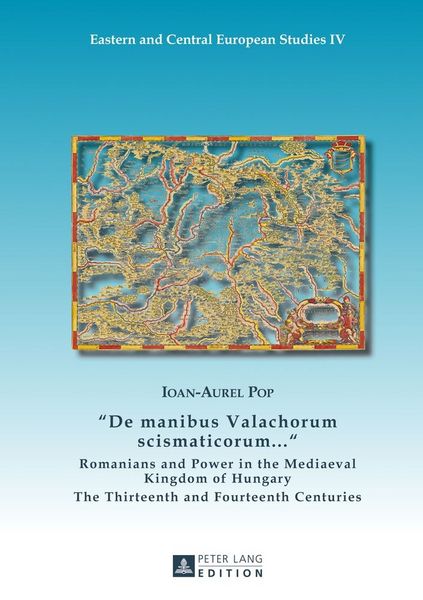
Produktbild: «De manibus Valachorum scismaticorum ... »
Band 4

«De manibus Valachorum scismaticorum ... » Romanians and Power in the Mediaeval Kingdom of Hungary- The Thirteenth and Fourteenth Centuries

118,75 €

inkl. gesetzl. MwSt., Versandkostenfrei


Beschreibung

Produktdetails

Einband

Gebundene Ausgabe

Erscheinungsdatum

25.11.2013

Verlag

Peter Lang GmbH, Internationaler Verlag der Wissenschaften

Seitenzahl

516

Maße (B/H)

14,8/21 cm

Gewicht

760 g

Auflage

1

Sprache

Englisch

ISBN

978-3-631-64866-7

Beschreibung

Produktdetails

Einband

Gebundene Ausgabe

Erscheinungsdatum

25.11.2013

Verlag

Peter Lang GmbH, Internationaler Verlag der Wissenschaften

Seitenzahl

516

Maße (B/H)

14,8/21 cm

Gewicht

760 g

Auflage

1

Sprache

Englisch

ISBN

978-3-631-64866-7

EU-Ansprechpartner

Kolibri 360 GmbH
Ettore-Bugatti-Straße 6-14
51149 Köln
DE
produktsicherheit@kolibri360.de

Herstelleradresse

Peter Lang
Avenue du Théâtre 7
1005 Lausanne
CH
orders@peterlang.com

Noch keine Bewertungen vorhanden

Verfassen Sie die erste Bewertung zu diesem Artikel

Helfen Sie anderen Kundinnen und Kunden durch Ihre Meinung.

Kundinnen und Kunden meinen

Bewertungen (0)

  • Produktbild: «De manibus Valachorum scismaticorum ... »
  • Contents: How could the mechanism of power in the Middle Ages be understood? – An explanation: why the Romanians and their country (countries) have two names – Between grandeur and decadence: Hungary during the last Árpádian century and the new Angevin century – The others and power: ethnicities and religions in mediaeval Hungary and Transylvania (Up until the fourteenth century) – «Masters of our own land for a thousand years»: The ancientness of the Romanians as portrayed by the official documents – The Fourth Crusade (1203-1204) or the western method of eradicating the «schism» – The elite of the Romanians in and around Transylvania in the tenth-thirteenth centuries-landowners, fighters and political leaders – Transylvanian (Hungarian) feudalism or sui-generis organisation? – Land and power: the official landholding mechanism in the Kingdom of Hungary – Knezes and their status as rulers and owners in the Romanian world – «Within their true, right and ancient boundaries»: The grounds of the Romanian knezes’ and nobles’ landholding rights – «Liberties, uses, services and duties» of the knezes and of knezial villages – Power deprivation: Dispossessed knezes and subdued Romanian villages – How the Romanians lived with the Hungarians, the Saxons and the Szeklers in the Middle Ages – «Our loyal guests»: The image of the outlanders or foreigners in Transylvania and Hungary – Outgoing Romanians, incoming Romanians, or the limits of mediaeval mobility – The image of the Romanian countries in the Hungarian consciousness and its impact on the status of the Transylvanian Romanians – «As the Romanians call it, in folk parlance»: The Romanian onomastics and toponymy – The Romanians position regarding the Western Church and the position of the Western Church regarding the Romanians – From acceptance to exclusion: Romanians and Transylvania’s estate assemblies in the thirteenth and fourteenth centuries – The consequences of excluding the «schismatics», the «knezes» and the «Vlachs» from the estates in the Middle Ages.