• Produktbild: Palaeozoic Fishes
  • Produktbild: Palaeozoic Fishes

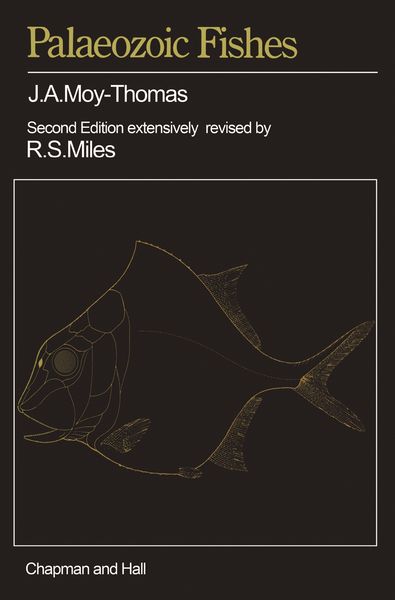
Palaeozoic Fishes 2nd ed;

51,99 €

inkl. gesetzl. MwSt., Versandkostenfrei


Beschreibung

Produktdetails

Einband

Taschenbuch

Erscheinungsdatum

13.03.2012

Verlag

Springer Us

Seitenzahl

260

Maße (L/B/H)

23,5/15,5/1,6 cm

Gewicht

423 g

Auflage

Softcover reprint of the original 1st ed. 1971

Sprache

Englisch

ISBN

978-1-4684-6467-2

Beschreibung

Produktdetails

Einband

Taschenbuch

Erscheinungsdatum

13.03.2012

Verlag

Springer Us

Seitenzahl

260

Maße (L/B/H)

23,5/15,5/1,6 cm

Gewicht

423 g

Auflage

Softcover reprint of the original 1st ed. 1971

Sprache

Englisch

ISBN

978-1-4684-6467-2

Herstelleradresse

Springer-Verlag GmbH
Tiergartenstr. 17
69121 Heidelberg
DE

Email: ProductSafety@springernature.com

Kundinnen und Kunden meinen

0 Bewertungen

Informationen zu Bewertungen

Zur Abgabe einer Bewertung ist eine Anmeldung im Konto notwendig. Die Authentizität der Bewertungen wird von uns nicht überprüft. Wir behalten uns vor, Bewertungstexte, die unseren Richtlinien widersprechen, entsprechend zu kürzen oder zu löschen.

Die Bewertungen sind nach Format, Anzahl Sterne und Datum sortiert.

Verfassen Sie die erste Bewertung zu diesem Artikel

Helfen Sie anderen Kund*innen durch Ihre Meinung

Kundinnen und Kunden meinen

0 Bewertungen filtern

  • Produktbild: Palaeozoic Fishes
  • Produktbild: Palaeozoic Fishes
  • 1 Introduction.- 1.1. Conspectus, 1; 1.2. Evolution of jaws, 2; 1.3. Fossil record, 4; 1.4. Environment, 6; 1.5. Classification, 7; References, 8; Bibliography, 9..- 2 Class Cephalaspidomorphi.- 2.1. Classification, 10; 2.2. Cephalaspidomorph characteristics, 11; 2.3. Infraclass 1, Osteostraci, 12; 2.3.1. Structure, 13; 2.3.2. Growth and life history, 19; 2.3.3. Diversity and tendencies in evolution, 20; 2.4. Infraclass 2, Anaspida, 23; 2.4.1 Structure, 24; 2.4.2. Growth, 26; 2.4.3. Diversity, 27; 2.5. Infraclass 3, Petromyzonida, 27; 2.5.1. Structure, 27; 2.6. Incertae sedis Palaeospondylus, 28; 2.7. Mode of life, 29; References, 31..- 3 Class Pteraspidomorphi.- 3.1. Classification, 35; 3.2. Pteraspidomorph characteristics, 36; 3.3. Subclass 1, Heterostraci, 36; 3.3.1. Structure, 36; 3.3.2. Growth and the evolution of the shield, 41; 3.3.3. Diversity and interrelationships, 45; 3.3.4. Mode of life, 49; 3.4. Incertae sedis Polybranchiaspis, 52; 3.5. Subclass 2, Thelodonti, 53; 3.5.1. Structure, 53; 3.5.2. Diversity and affinities, 55; 3.6. Relationships of agnathans, 56; References, 57..- 4 Subclass Acanthodii.- 4.1. Classification, 61; 4.2. Acanthodian characteristics, 61; 4.2.1. Structure, 63; 4.2.2. Diversity and tendencies in evolution, 71; 4.2.3. Mode of life, 75; References, 76..- 5 Subclass Osteichthyes. Infraclass Actinopterygii.- 5.1. Classification, 79; 5.2. Osteichthyan characteristics, 80; 5.3. Infraclass Actinopterygii, 81; 5.4. Superorder 1, Chondrostei, 86; 5.5. Order 1, Palaeoniscida, 86; 5.5.1. Structure, 87; 5.5.2. Suborder 1, Palaeoniscoidei, 91; 5.5.3. Suborder 2, Platysomidei, 94; 5.6. Order 2, Haplolepidida, 97; 5.7. Order 3, Tarrasiida, 97; 5.8. Order 4, Phanerorhynchida, 98; 5.9. Order 5, Dorypterida, 99; 5.10. Superorder 2, Holostei, 99; 5.11. Order 1, Semionotida, 100; 5.12. Tendencies in evolution, 102; References, 105..- 6 Subclass Osteichthyes. Infraclass Crossopterygii.- 6.1. Classification, 110; 6.2. Crossopterygian characteristics, 111; 6.3. Superorder 1, Rhipidistia, 113; 6.3.1. Structure, 114;6.3.2. Order 1, Holoptychiida, 122; 6.3.3. Order 2, Osteolepidida, 125; 6.3.4. Order 3, Rhizodontida, 126; 6.3.5. Tendencies in evolution, 127; 6.4. Superorder 2, Actinistia, 127; 6.4.1. Structure, 127; 6.4.2. Diversity, 131; 6.5. Incertae sedis Onychodontidae, 131; 6.6. Mode of life, 134; References, 136..- 7 Subclass Osteichthyes. Infraclass Dipnoi.- 7.1. Classification, 141; 7.2. Dipnoan characteristics, 141; 7.3. Structure and diversity, 144; 7.3.1. Structure, 144; 7.3.2. Diversity, 149; 7.4. Evolution and mode of life, 153; 7.5. Growth of cosmoid scales and bones, 154; 7.6. R elationships of teleostomes, 155; References, 158..- 8 Subclass Placodermi.- 8.1. Classification, 161; 8.2. Placoderm characteristics, 162; 8.3. Order 1, Arthrodira, 163; 8.3.1. Structure, 164; 8.3.2. Diversity and tendencies in evolution, 170; 8.4. Order 2, Ptyctodontida, 178; 8.5. Order 3, Phyllolepidida, 180; 8.6. Order 4, Petalichthyida, 181; 8.7. Order 5, Rhenanida, 185; 8.7.1. Suborder 1, Palaeacanthaspidoidei, 185; 8.7.2. Suborder 2, Gemuendinoidei, 188; 8.8. Order 6, Antiarchi, 191; 8.9. Incertae sedis Stensioellidae, 195; 8.10 Evolution and mode of life, 197; References, 200..- 9 Subclass Chondrichthyes. Infraclass Elasmobranchii.- 9.1. Classification, 206; 9.2. Chondrichthyan characteristics, 206; 9.3. Infraclass Elasmobranchii, 209; 9.4. Order 1, Cladoselachida, 210; 9.5. Order 2, Cladodontida, 213; 9.6. Order 3, Selachii, 215; 9.6.1. Suborder 1, Ctenacanthoidei, 215; 9.6.2. Suborder 2, Hybodontoidei, 217; 9.7. Order 4, Xenacanthida, 218; 9.8. Incertae sedis Order 5, Helicopriondia, 220; 9.9. Evolution, 221; 9.10. Mode of life, 222; References, 223..- 10 Subclass Chondrichthyes. Infraclass Holocephali.- 10.1. Classification, 226; 10.2. Holocephalan characteristics, 227; 10.3. Order 1, Chimaerida, 229; 10.3.1. Suborder 1, Helodontoidei, 229; 10.3.2. Suborder 2, Cochliodontoidei, 231; 10.3.3. Suborder 3, Menaspoidei, 231; 10.4. Order 2, Chondrenchelyida, 233; 10.5. Order 3, Edestida, 234; 10.6. Incertae sedis Ornithoprion, 237; 10.7. Order 4, Psammodontida, 238; 10.8. Order 5, Copodontida, 238; 10.9. Incertae sedis Order 6, Petalodontida, 239; 10.10 Evolution and mode of life, 240; 10.11. Relationship of elasmobranchiomorphs, 242;References, 244..- 11 Summary of the early evolution of fishes.