Beschreibung
'It is as if I have been waiting for someone to ask me these questions for almost the whole of my life'
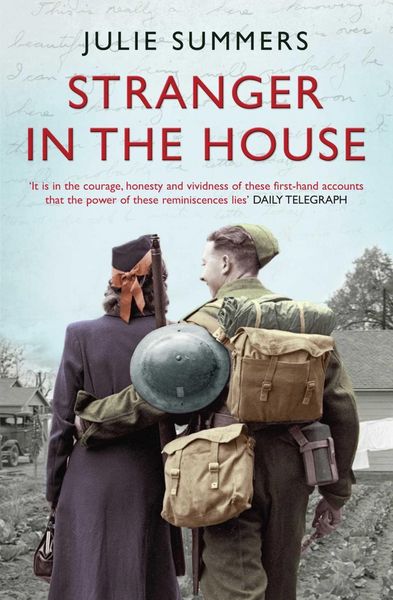
From 1945, more than four million British servicemen were demobbed and sent home after the most destructive war in history. Damaged by fighting, imprisonment or simply separation from their loved ones, these men returned to a Britain that had changed in their absence.
In Stranger in the House, Julie Summers tells the women's story, interviewing over a hundred women who were on the receiving end of demobilisation: the mothers, wives, sisters, who had to deal with an injured, emotionally-damaged relative; those who assumed their fiancés had died only to find them reappearing after they had married another; women who had illegitimate children following a wartime affair as well as those whose steadfast optimism was rewarded with a delightful reunion.
Many of the tales are moving, some are desperately sad, others are full of humour but all provide a fascinating account of how war altered ordinary women's lives forever.
Zitat
'A fine achievement' Spectator 27/9 'A poignant, lingering account of war without end' BBC History Magazine, October edition 'This book makes compelling reading' 'BBC Who Do You Think You Are?' Magazine, October edition 'Her stories of both heartbreak and courage give voice to the women who fought their own battles throughout the war, and went on fighting long after peace had been declared' Mail On Sunday 5/10 'For the purpose of this moving book, Julie Summers spoke to more than 100 women for whom family life was altered forever by "the dislocation caused by six years of separation". For six lonely years mothers, daughters, grandmothers, girlfriends, fiancees, aunts and sisters endured the deprivations of the war, longing for the day when the men they loved would come home. But the reality of their reunions was sometimes disappointing, disturbing and even tragic' Daily Telegraph 11/10 'For many the war would never really be over, and it is these people, their lives rent apart by the conflict, that are the subject of Julie Summers's book' BBC History Magazine Oct issue 'After 1945 millions of servicemen returned home, many of them changed for ever. But as a new book reveals, so were the wives waiting for them -- and the children they'd often never met' Daily Express 10/10 'The book makes compelling reading and would appeal to anyone engaged in family history research and wanting an insight into the Second World War' BBC Who Do You Think You Are magazine, Oct issue 'More than 100 women tell their stories in sad, moving or funny accounts' Best of 2008, Express 04/01 'More than 4 million British servicemen were demobilised after 1945. Changed by injury or experience, they returned to a country that had also altered in their absence, yet were expected to get on with life and take up with families they hardly knew. Much has been written about men's experiences of coming home; what distinguishes this book is its dedication to women's first-hand accounts and reminiscences gathered from interviews and archive material' Guardian 25/7 'What Summers has done is tell the stories she collected from women, using transcribed interviews and allowing each experience to speak for itself' The Sunday Times 26/7 'Julie Summers's accessible style combined with the compelling personal stories helps make this book an engaging read. From the uplifting to the heartbreaking, the stories here contribute to an understanding of the complexities of life after the war' Family History Monthly September issue 'Return of the troops; a wife remembers' 'When my husband finally came home we discovered we were two different people, so much had happened in those years apart. My husband, older than myself, came back with the attitude of a sergeant-major; it was as if he expected me to jump up and salute when he entered a room' 'The Second World War' series, Guardian 11/9