KI-Beratung Beta

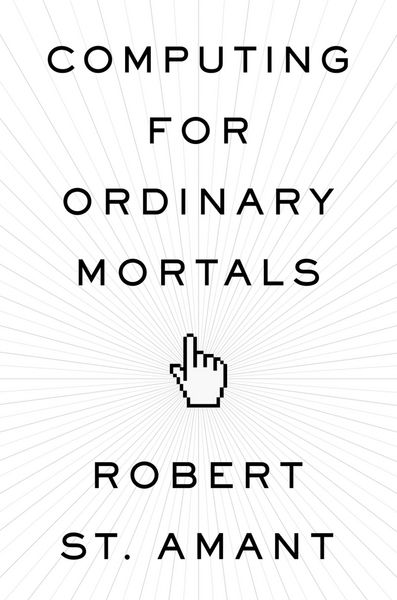
Produktbild: Computing for Ordinary Mortals

Computing for Ordinary Mortals

36,50 €

inkl. gesetzl. MwSt.

Beschreibung

Computing isn't only (or even mostly) about hardware and software; it's also about the ideas behind the technology. In Computing for Ordinary Mortals, computer scientist Robert St. Amant explains this "really interesting part" of computing, introducing basic computing concepts and strategies in a way...

Beschreibung

Computing isn't only (or even mostly) about hardware and software; it's also about the ideas behind the technology. In Computing for Ordinary Mortals, computer scientist Robert St. Amant explains this "really interesting part" of computing, introducing basic computing concepts and strategies in a way that readers without a technical background can understand and appreciate. Each of the chapters illustrates ideas from a different area of computing, and together they provide important insights into what drives the field as a whole. St. Amant starts off with an overview of basic concepts as well as a brief history of the earliest computers, and then he traces two different threads through the fabric of computing. One thread is practical, illuminating the architecture of a computer and showing how this architecture makes computation efficient. St. Amant shows us how to write down instructions so that a computer can accomplish specific tasks (programming), how the computer manages those tasks as it runs (in its operating system), and how computers can communicate with each other (over a network). The other thread is theoretical, describing how computers are, in the abstract, machines for solving problems. Some of these ideas are embedded in much of what we do as humans, and thus this discussion can also give us insight into our own daily activities, how we interact with other people, and in some cases even what's going on in our heads. St. Amant concludes with artificial intelligence, exploring the possibility that computers might eventually be capable of human-level intelligence, and human-computer interaction, showing how computers can enrich our lives--and how they fall short.

Produktdetails

Format

PDF

Kopierschutz

Ja

Family Sharing

Nein

Text-to-Speech

Nein

Produktdetails

Format

PDF

Format

eBooks im PDF-Format haben eine festgelegte Seitengröße und eignen sich daher nur bedingt zum Lesen auf einem tolino eReader oder Smartphone. Für den vollen Lesegenuss empfehlen wir Ihnen bei PDF-eBooks die Verwendung eines Tablets oder Computers.

Kopierschutz

Ja

Kopierschutz

Zum Lesen dieses eBooks auf Geräten der tolino Familie sowie auf sonstigen eReadern und am PC benötigen Sie eine ByteBook-ID. Weitere Hinweise zum Lesen von kopiergeschützten eBooks finden Sie unter Hilfe/Downloads.

Family Sharing

Nein

Family Sharing

Mit Family Sharing können Sie eBooks innerhalb Ihrer Familie (max. sechs Mitglieder im gleichen Haushalt) teilen. Sie entscheiden selbst, welches Buch Sie mit welchem Familienmitglied teilen möchten. Auch das parallele Lesen durch verschiedene Familienmitglieder ist durch Family Sharing möglich. Um eBooks zu teilen oder geteilt zu bekommen, muss jedes Familienmitglied ein Konto bei Thalia oder einem anderen tolino-Buchhändler haben. Weitere Informationen finden Sie unter Hilfe/Family-Sharing.

Text-to-Speech

Nein

Text-to-Speech

Bedeutet Ihnen Stimme mehr als Text? Mit der Funktion Text-to-Speech können Sie sich im tolino webReader und in der aktuellen Thalia – Lesen & Hören App das eBook vorlesen lassen. Weitere Informationen finden Sie unter Hilfe/Text-to-Speech.

Erscheinungsdatum

01.10.2012

Verlag Oxford University Press
Seitenzahl

224 (Printausgabe)

Dateigröße

2620 KB

Sprache

Englisch

EAN

9780199777518

Barrierefreiheit
  • keine Information zur Barrierefreiheit bekannt

Noch keine Bewertungen vorhanden

Verfassen Sie die erste Bewertung zu diesem Artikel

Helfen Sie anderen Kundinnen und Kunden durch Ihre Meinung.

Kundinnen und Kunden meinen

Bewertungen (0)

Weitere Artikel finden Sie in

Die Leseprobe wird geladen.
  • Produktbild: Computing for Ordinary Mortals