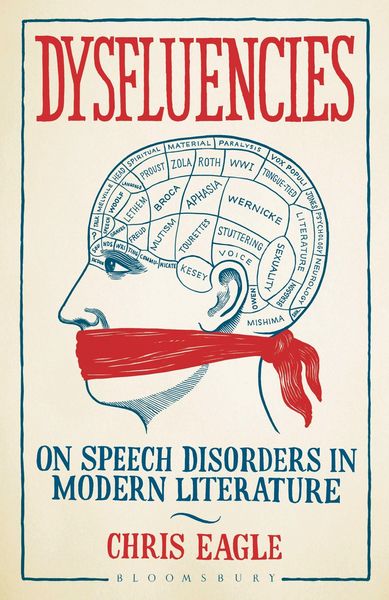
Dysfluencies On Speech Disorders in Modern Literature
-
- Hardcover ausgewählt
- Taschenbuch
- eBook
-
Sprache:Englisch
206,99 €
inkl. gesetzl. MwSt.,
Beschreibung
Produktdetails
Einband
Gebundene Ausgabe
Erscheinungsdatum
02.01.2014
Verlag
Bloomsbury AcademicSeitenzahl
234
Maße (L/B/H)
23,5/15,7/1,7 cm
Gewicht
496 g
Sprache
Englisch
ISBN
978-1-62356-332-5
Dysfluencies is the first comprehensive study of how speech disorders are portrayed in modern literature. Tracing the roots of this interaction between literary practice and speech pathology back to the rise of aphasiology in the 1860s, Dysfluencies examines portrayals of disordered speech by writers like Zola, Proust, Joyce, Melville, and Mishima, as well as contemporary writers like Philip Roth, Gail Jones, and Jonathan Lethem. Dysfluencies thus speaks directly to the growing interest at present, both in popular culture and the Humanities, regarding the status of the Self in relation to speech pathology. The need for this type of study is clear considering the number of prominent writers whose works foreground disorders of speech: Melville, Zola, Kesey, Mishima, Roth, et al. Moreover, thinkers like Freud, Bergson, and Jakobson were similarly concerned with the implications of language breakdown. This volume shows this concern began with the rise of neurology and aphasiology, which challenged spiritual conceptions of language and replaced them with a view of language as a material process rooted in the brain. Dysfluencies traces the history of this interaction between literary practice and speech pathology, arguing that works of literature have responded differently to the issue of language breakdown as the dominant views on the issue have shifted from neurological (circa 1860s to 1920s) to psychological (circa 1920s to 1980s), and back to neurological during the so-called "decade of the Brain" (the 1990s).
Noch keine Bewertungen vorhanden
Verfassen Sie die erste Bewertung zu diesem Artikel
Helfen Sie anderen Kundinnen und Kunden durch Ihre Meinung.
Kurze Frage zu unserer Seite
Vielen Dank für Ihr Feedback
Wir nutzen Ihr Feedback, um unsere Produktseiten zu verbessern. Bitte haben Sie Verständnis, dass wir Ihnen keine Rückmeldung geben können. Falls Sie Kontakt mit uns aufnehmen möchten, können Sie sich aber gerne an unseren Kund*innenservice wenden.
zum Kundenservice