KI-Beratung Beta

Gutscheinbedingungen

**Gültig bis 05.10.2026 ab einem Mindestbestellwert von 30€ auf Spielzeug, Schreibwaren, Filme, Geschenke & Trends, Musik, tolino eReader & Zubehör, Hörbücher und Hörbuch-Downloads, nicht preisgebundene Bücher und Kalender online auf thalia.at und in der Thalia App. Einzelne Artikel können ausgeschlossen sein. Aufgrund der Buchpreisbindung sind deutschsprachige Bücher und eBooks ausgenommen. Zusätzlich ausgenommen sind Abos & Flatrates, Games, Geschenkkarten/-boxen, Shelfies, Software, Zeitschriften sowie einzelne Artikel von tonies®. Pro Einkauf einmal einlösbar. Nur gültig mit im Onlineshop hinterlegter Bonuscard. Click & Collect nur bei Onlinevorabzahlung möglich. Keine Barauszahlung. Nicht kombinierbar mit anderen Aktionen und Gutscheinen. Gutschein wird auf max. 500€ Bestellwert angerechnet. Nicht gültig für Versandkosten und Services. Preisgebundene Artikel sind vom Mindestbestellwert ausgeschlossen.

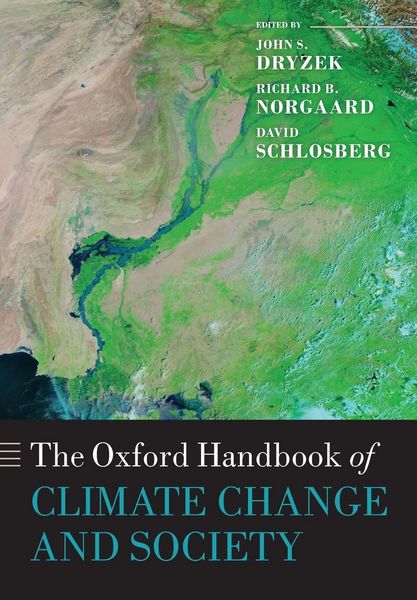
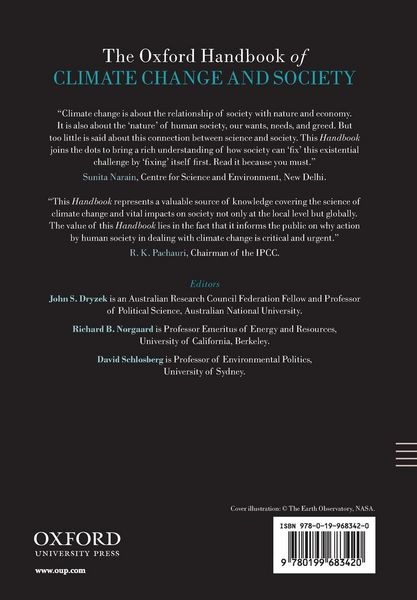
  • Produktbild: Oxford Handbook of Climate Change and Society
  • Produktbild: Oxford Handbook of Climate Change and Society

Oxford Handbook of Climate Change and Society

86,99 €

inkl. gesetzl. MwSt., Versandkostenfrei


Beschreibung

Produktdetails

Einband

Taschenbuch

Erscheinungsdatum

22.08.2013

Herausgeber

Dryzek John S. + weitere

Verlag

Oxford University Press

Seitenzahl

742

Maße (L/B/H)

24,4/17/3,9 cm

Gewicht

1257 g

Sprache

Englisch

ISBN

978-0-19-968342-0

Beschreibung

Produktdetails

Einband

Taschenbuch

Erscheinungsdatum

22.08.2013

Herausgeber

Verlag

Oxford University Press

Seitenzahl

742

Maße (L/B/H)

24,4/17/3,9 cm

Gewicht

1257 g

Sprache

Englisch

ISBN

978-0-19-968342-0

Herstelleradresse

Libri GmbH
Europaallee 1
36244 Bad Hersfeld
DE

Email: gpsr@libri.de

Noch keine Bewertungen vorhanden

Verfassen Sie die erste Bewertung zu diesem Artikel

Helfen Sie anderen Kundinnen und Kunden durch Ihre Meinung.

Kundinnen und Kunden meinen

Bewertungen (0)

  • Produktbild: Oxford Handbook of Climate Change and Society
  • Produktbild: Oxford Handbook of Climate Change and Society
    • Contents
    • PART I: INTRODUCTION
    • 1: John S. Dryzek, Richard B. Norgaard, and David Schlosberg: Climate Change and Society: Approaches and Responses
    • PART II: THE CHALLENGE AND ITS HISTORY
    • 2: Will Steffen: A Truly Complex and Diabolical Policy Problem
    • 3: Dale Jamieson: The Nature of the Problem
    • 4: Mark Sagoff: The Poverty of Climate Economics
    • 5: Spencer Weart: The Development of the Concept of Dangerous Anthropogenic Climate Change
    • 6: Maarten A. Hajer and Wytske Versteeg: Voices of Vulnerability: The Reconfiguration of Policy Discourses
    • 7: Timothy W. Luke: Environmentality
    • PART III: SCIENCE, SOCIETY, AND PUBLIC OPINION
    • 8: Hans von Storch, Armin Bunde, and Nico Stehr: The Physical Sciences and Climate Politics
    • 9: Sheila Jasanoff: Cosmopolitan Knowledge: Climate Science and Global Civic Epistemology
    • 10: Riley E. Dunlap and Aaron M. McCright: Organized Climate Change Denial
    • 11: Susanne C. Moser and Lisa Dilling: Communicating Climate Change: Closing the Science-Action Gap
    • PART IV: SOCIAL IMPACTS
    • 12: Robert Mendelsohn: Economic Estimates of the Damages Caused by Climate Change
    • 13: Richard B. Norgaard: Weighing Climate Futures: A Critical Review of the Application of Economic Valuation
    • 14: Colin Polsky and Hallie Eakin: Global Change Vulnerability Assessments: Definitions, Challenges, and Opportunities
    • 15: Elizabeth G. Hanna: Health Hazards
    • 16: Robert Melchior Figueroa: Indigenous Peoples and Cultural Losses
    • PART V: SECURITY
    • 17: Nils Gilman, Doug Randall, and Peter Schwartz: Climate Change and "Security "
    • 18: Jon Barnett: Human Security
    • 19: Timothy Doyle and Sanjay Chaturvedi: Climate Refugees and Security: Conceptualizations, Categories, and Contestations
    • PART VI: JUSTICE
    • 20: Simon Dietz: From Efficiency to Justice: Utility as the Informational Basis for Climate Strategies, and Some Alternatives
    • 21: Stephen M. Gardiner: Climate Justice
    • 22: Paul Baer: International Justice
    • 23: Richard Howarth: Intergenerational Justice
    • PART VII: PUBLICS AND MOVEMENTS
    • 24: Matthew C. Nisbet: Public Opinion and Participation
    • 25: Ronnie D. Lipschutz and Corina McKendry: Social Movements and Global Civil Society
    • 26: Paul Routledge: Transnational Climate Justice Solidarities
    • 27: Kari Marie Norgaard: Climate Denial: Emotion, Psychology, Culture, and Political Economy
    • 28: Laurel Kearns: The Role of Religions in Activism
    • PART VIII: GOVERNMENT RESPONSES
    • 29: Peter Christoff and Robyn Eckersley: Comparing State Responses
    • 30: Miranda A. Schreurs: Climate Change Politics in an Authoritarian State: The Ambivalent Case of China
    • 31: Harriet Bulkeley: Cities and Subnational Governments
    • 32: Daniel A. Farber: Issues of Scale in Climate Governance
    • 33: Ian Gough and James Meadowcroft: Decarbonizing the Welfare State
    • 34: Sivan Kartha: Discourses of The Global South
    • PART IX: POLICY INSTRUMENTS
    • 35: David Harrison, Andrew Foss, Per Klevnas, and Daniel Radov: Economic Policy Instruments for Reducing Greenhouse Gas Emissions
    • 36: Andrew Jordan, David Benson, Rüdiger Wurzel, and Anthony Zito: Policy Instruments in Practice
    • 37: Clive L. Spash: Carbon Trading: A Critique
    • 38: Mark Diesendorf: Redesigning Energy Systems
    • PART X: PRODUCERS AND CONSUMERS
    • 39: Simone Pulver: Corporate Responses
    • 40: Andrew Szasz: Is Green Consumption Part of the Solution?
    • PART XI: GLOBAL GOVERNANCE
    • 41: Matthew Paterson: Selling Carbon: From International Climate Regime to Global Carbon Market
    • 42: Oran R. Young: Improving the Performance of the Climate Regime: Insights from Regime Analysis
    • 43: Paul G. Harris: Reconceptualizing Global Governance
    • 44: Walter F. Baber and Robert V. Bartlett: The Role of International Law in Global Governance
    • PART XII: RECONSTRUCTION
    • 45: Karin Bäckstrand: The Democratic Legitimacy of Global Governance After Copenhagen
    • 46: Frank Biermann: New Actors and Mechanisms of Global Governance
    • 47: W. Neil Adger, Katrina Brown, and James Waters: Resilience