KI-Beratung Beta

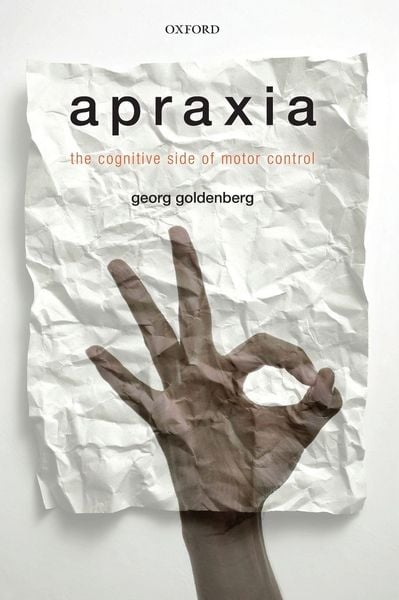
Produktbild: Apraxia

Apraxia

184,99 €

inkl. gesetzl. MwSt., Versandkostenfrei


Beschreibung

Apraxia is a symptom of cerebral lesions that has puzzled clinicians and researchers for some 100 years. This book is the first to give a comprehensive account of clinical and experimental findings on all manifestations of apraxia as well as of the history and the philosophical underpinning of theories...

Beschreibung

Apraxia is a symptom of cerebral lesions that has puzzled clinicians and researchers for some 100 years. This book is the first to give a comprehensive account of clinical and experimental findings on all manifestations of apraxia as well as of the history and the philosophical underpinning of theories on apraxia

Produktdetails

Einband

Gebundene Ausgabe

Erscheinungsdatum

24.08.2017

Verlag Oxford University Press
Seitenzahl

290

Produktdetails

Einband

Gebundene Ausgabe

Erscheinungsdatum

24.08.2017

Verlag Oxford University Press
Seitenzahl

290

Maße (L/B/H)

26/18,3/2 cm

Gewicht

683 g

Sprache

Englisch

ISBN

978-0-19-959151-0

Herstelleradresse

Libri GmbH
Europaallee 1
36244 Bad Hersfeld
DE

Email: gpsr@libri.de

Noch keine Bewertungen vorhanden

Verfassen Sie die erste Bewertung zu diesem Artikel

Helfen Sie anderen Kundinnen und Kunden durch Ihre Meinung.

Kundinnen und Kunden meinen

Bewertungen (0)

Die Leseprobe wird geladen.
  • Produktbild: Apraxia
    • 1: Apraxia before Liepmann: Mind-Palsy, Asymbolia, and Apraxia
    • 2: Hugo Karl Liepmann
    • 3: The decline of diagrams
    • 4: Return of the ostracised
    • 5: High and Low Levels of Action Control
    • 6: Imitation: A direct route from vision to action?
    • 7: Body part specificity
    • 8: Use of single tools
    • 9: Naturalistic action
    • 10: Communicative Gestures - Pantomime of Tool Use
    • 11: Communicating with Gestures
    • 12: Apraxia in left handers
    • 13: Approaching apraxia from the motor side
    • 14: Callosal apraxia and intermanual conflict
    • 15: The cognitive side of motor control
    • 16: Levels of therapy