
Gutscheinbedingungen

**Gültig bis 24.09.2026 ab einem Mindestbestellwert von 30€ auf Spielzeug, Schreibwaren, Filme, Geschenke & Trends, Musik, tolino eReader & Zubehör, Hörbücher und Hörbuch-Downloads, nicht preisgebundene Bücher und Kalender online auf thalia.at und in der Thalia App. Einzelne Artikel können ausgeschlossen sein. Aufgrund der Buchpreisbindung sind deutschsprachige Bücher und eBooks ausgenommen. Zusätzlich ausgenommen sind Abos & Flatrates, Games, Geschenkkarten/-boxen, Shelfies, Software, Zeitschriften sowie einzelne Artikel von tonies®. Pro Einkauf einmal einlösbar. Click & Collect nur bei Onlinevorabzahlung möglich. Keine Barauszahlung. Nicht kombinierbar mit anderen Aktionen und Gutscheinen. Gutschein wird auf max. 500€ Bestellwert angerechnet. Nicht gültig für Versandkosten und Services. Preisgebundene Artikel sind vom Mindestbestellwert ausgeschlossen.

  • Produktbild: Educating the Emotions
  • Produktbild: Educating the Emotions

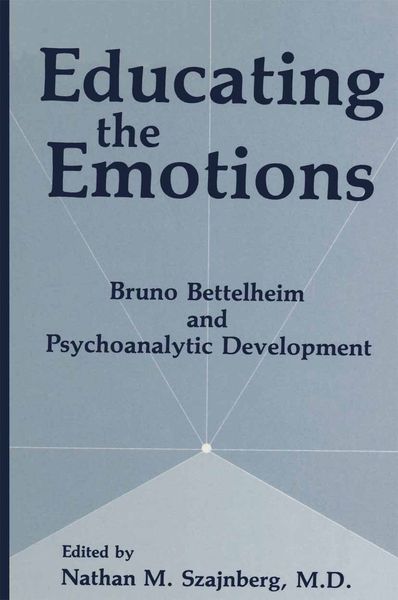
Educating the Emotions Bruno Bettelheim and Psychoanalytic Development

49,99 €

inkl. gesetzl. MwSt., Versandkostenfrei


Beschreibung

Produktdetails

Einband

Taschenbuch

Erscheinungsdatum

29.10.2012

Abbildungen

XXI, 222 p.

Verlag

Springer Us

Seitenzahl

222

Maße (L/B/H)

22,9/15,2/1,4 cm

Gewicht

365 g

Auflage

Softcover reprint of the original 1st ed. 1992

Sprache

Englisch

ISBN

978-1-4613-6460-3

Beschreibung

Produktdetails

Einband

Taschenbuch

Erscheinungsdatum

29.10.2012

Abbildungen

XXI, 222 p.

Verlag

Springer Us

Seitenzahl

222

Maße (L/B/H)

22,9/15,2/1,4 cm

Gewicht

365 g

Auflage

Softcover reprint of the original 1st ed. 1992

Sprache

Englisch

ISBN

978-1-4613-6460-3

Herstelleradresse

Springer-Verlag KG
Sachsenplatz 4-6
1201 Wien
AT

Email: ProductSafety@springernature.com

Noch keine Bewertungen vorhanden

Verfassen Sie die erste Bewertung zu diesem Artikel

Helfen Sie anderen Kundinnen und Kunden durch Ihre Meinung.

Kundinnen und Kunden meinen

Bewertungen (0)

  • Produktbild: Educating the Emotions
  • Produktbild: Educating the Emotions
  • 1 The Individual and Society’s Institutions: Autonomy and Integration.- Introduction: Maintaining Autonomy and Integration with Society’s Institutions.- Autonomous versus Alienated Responses to Institutional Vicissitudes.- Dénouement.- 2 Psychoanalysis and the Classroom: Intent and Meaning in Learning and Teaching.- Changing Perspectives on the Study of Psychoanalysis and Education.- Psychoanalysis, Subjectivity, and Education.- Conclusion.- 3 History of Milieu in the Residential Treatment of Children and Youth.- Eighteenth-Century Europe: Corrective Discipline, Orphanages, and Penal Reform.- Interplay and Impact of Different Populations Upon Juvenile Care.- Nineteenth-Century America.- The Twentieth Century.- Conclusion: The Loss of the Therapeutic Milieu.- 4 Orthodoxy and Heresy in the History of Psychoanalysis.- Conflicting Philosophies in Psychoanalysis: Orthodoxy and Heresy in the Teaching of Bruno Bettelheim.- Origins of the Controversy in Freud’s Unconscious Conflict.- Origins of the Controversy in Conflicting Philosophies.- Waelder’s Synthesis and the Historical Working Through of the Conflict.- 5 Bettelheim’s Contribution to Anthropology.- Summary of Symbolic Wounds.- Ethnographic Support.- Critiques of Bettelheim and Responses.- Conclusion.- 6 From the Orthogenic School to the Reservation: Acculturation of a Psychoanalyst.- Different Ways of Talking.- Navajo—White Marital Tangles.- Within—Family Navajo Tangles.- Conflicts with the Civil Service.- Acculturation: The Navajo and the Psychoanalyst.- Récherché.- 7 Secrecy and Privacy in a Psychodynamic Milieu: The Individual and His Community.- Secrecy among the Milieu Staff: Destructive Consequences.- Secrets and Boundaries.- Toward Privacy among the Staff.- Patients’ Secrets as DevelopmentalAchievements.- Secrecy Masquerading as Privacy: Boundary Formation.- Privacy and Community: Tensions Replayed in the Milieu.