Zitat
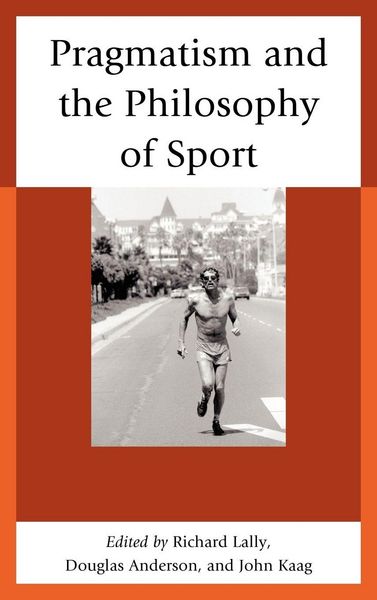
Pragmatism and the Philosophy of Sport argues quite successfully for what every athlete and pragmatist must know: that through the lived embodied experience of sport, we can find the validity in our own higher truths. The authors, each a practicing athlete/philosopher, cultivate a theoretical landscape of accessible philosophy through the framing of applied sports experiences. For the student of philosophy or the introspective athlete, this text is an honest, enlightening, and pleasure full romp through the 'practical consequences' of thinking about how and why we play these games. -- Scott Tinley, PhD, Two-time Ironman World Champion Philosophy and sports go well together, and this book opens up the deep connections between pragmatism and physical activity. The authors are athletes who use their experiences as portals into the thought of the classical pragmatists as well as exploring their own lives of inquiry and action. -- Roger Ward, Georgetown College The classical American pragmatists supplied rich resources for philosophical meditation on the nature and meaning of sport, not least of all, because of their insistence on the seamless continuity between human thought and action. Curiously, such philosophizing has been rare, the use of pragmatism for the express purpose of understanding athletic training and competition infrequent. This remarkable collection of essays fills the gap, offering multiple pragmatic perspectives on a variety of topics in the philosophy of sport. In discussions ranging from a Peircean analysis of coaching to a Roycean evaluation of Lebron James's signing with Miami Heat, this book will delight readers with the rich diversity of its contents, nevertheless unified by the constant appeal to pragmatism as a touchstone. This may be the most important book about the philosophy of sport published since Paul Weiss's landmark treatment of the topic in 1971. -- Michael L. Raposa, LeHigh University This volume is not part of any existing series of books on philosophy and popular culture. For discussion of such series, see D. Stewart's "Holy Toledo, Batman, We're Philosophers!: Popular Culture for Thinkers," Choice 48(8), April 2011. However, this collection of essays shares with these series the intent to explore the philosophical relevance of nonphilosophical activities. Setting this book apart is its ten contributors' approach to the topic from a single philosophical perspective--pragmatism, as found in the writings of such philosophers as William James, C. S. Peirce, John Dewey, and more recently neopragmatist Richard Rorty. The radical empiricism of William James elevates the importance of knowledge by acquaintance over "knowledge about," or what might be called skill knowledge rather than propositional knowledge. For pragmatists, the phenomenological category of lived experience is more important to understanding sport than is mere conceptual knowledge. The self is an embodied self, rather than a transcendental ego or disembodied cogito. Topics featured in the essays include sports feminism, coaching, self-cultivation, movement, and sports injuries. Sport is not just about competition or winning, but about self-development and self-understanding. These essays show how philosophy can enhance one's understanding of these aspects. Summing Up: Recommended. CHOICE