KI-Beratung Beta

Gutscheinbedingungen

**Gültig am 27.11.2026 auf Spielzeug, Schreibwaren, Filme, Geschenke & Trends, Musik, tolino eReader & Zubehör, Hörbücher und Hörbuch-Downloads, nicht preisgebundene Bücher und Kalender online auf thalia.at und in der Thalia App. Einzelne Artikel können ausgeschlossen sein. Aufgrund der Buchpreisbindung sind deutschsprachige Bücher und eBooks ausgenommen. Zusätzlich ausgenommen sind Abos & Flatrates, Games, Geschenkkarten/-boxen, Shelfies, Software, Zeitschriften sowie einzelne Artikel von tonies®. Pro Einkauf einmal einlösbar. Click & Collect nur bei Onlinevorabzahlung möglich. Keine Barauszahlung. Nicht kombinierbar mit anderen Aktionen und Gutscheinen. Gutschein wird auf max. 500€ Bestellwert angerechnet. Nicht gültig für Versandkosten und Services.

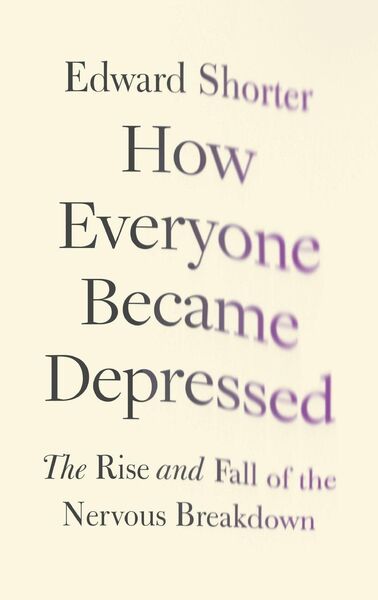
Produktbild: HOW EVERYONE BECAME DEPRESSED C

HOW EVERYONE BECAME DEPRESSED C

69,99 €

inkl. gesetzl. MwSt., Versandkostenfrei


Beschreibung

This book argues that psychiatry's love affair with the diagnosis of depression has become a death grip. Depression is a real illness, especially in its melancholic form. But most patients who get the diagnosis of 'depression' are also anxious, fatigued, unable to sleep, have all kinds of physical symptoms,...

Beschreibung

This book argues that psychiatry's love affair with the diagnosis of depression has become a death grip. Depression is a real illness, especially in its melancholic form. But most patients who get the diagnosis of 'depression' are also anxious, fatigued, unable to sleep, have all kinds of physical symptoms, and tend to obsess about the whole thing. They do not have a disorder of 'mood'. It is a travesty to call them all 'depressed.' How did this happen? How did everyone become depressed? A well-known historian, the author describes how in the 19th century patients with those symptoms were considered 'nervous,' and when they lost control it was a 'nervous breakdown.' Then psychiatry turned its back on the whole concept of nerves, and - first under the influence of Freud's psychoanalysis and then the influence of the pharmaceutical industry - the diagnosis of depression took center stage. The result has been a scientific disaster, leading to the misdiagnosis and inappropriate treatment (with antidepressants) of millions of patients. Urging that the diagnosis of depression be re-thought, the book turns a dramatic page in the understanding of psychiatric symptoms that are as common as the common cold. The book makes an immediate contribution to the debate about DSM5, which is due to be released very soon, in terms of discussing the diagnosis of depression. The author controversially proposes replacing the diagnosis of 'major depression' with 'melancholia' and 'nonmelancholia'; he argues that depression and anxiety usually occur together and are really the same disease; and he says that patients with so-called mood disorders really have a disorder of the entire body. The author's ability to make use of the enormous well of psychiatry's past history in several languages make this a unique book that contributes to the important discussions today of diagnosis and treatment.

Produktdetails

Einband

Gebundene Ausgabe

Erscheinungsdatum

02.02.2017

Verlag Oxford University Press
Seitenzahl

270

Produktdetails

Einband

Gebundene Ausgabe

Erscheinungsdatum

02.02.2017

Verlag Oxford University Press
Seitenzahl

270

Maße (L/B/H)

24/16,1/1,9 cm

Gewicht

573 g

Sprache

Englisch

ISBN

978-0-19-994808-6

Herstelleradresse

Libri GmbH
Europaallee 1
36244 Bad Hersfeld
DE

Email: gpsr@libri.de

Noch keine Bewertungen vorhanden

Verfassen Sie die erste Bewertung zu diesem Artikel

Helfen Sie anderen Kundinnen und Kunden durch Ihre Meinung.

Kundinnen und Kunden meinen

Bewertungen (0)

Die Leseprobe wird geladen.
  • Produktbild: HOW EVERYONE BECAME DEPRESSED C
    • Table of contents
    • Chapter 1 Introduction
    • Chapter 2 Nerves as a Problem
    • Chapter 3 Rise of Nervous Illness
    • Chapter 4 Fatigue
    • Chapter 5 Anxiety
    • Chapter 6 Melancholia
    • Chapter 7 Nervous Breakdown
    • Chapter 8 Paradigm Shift
    • Chapter 9 Something Wrong With the Label
    • Chapter 10 Drugs
    • Chapter 11 Return of the Two Depressions
    • Chapter 12 Nerves Redux
    • Chapter 13 Context