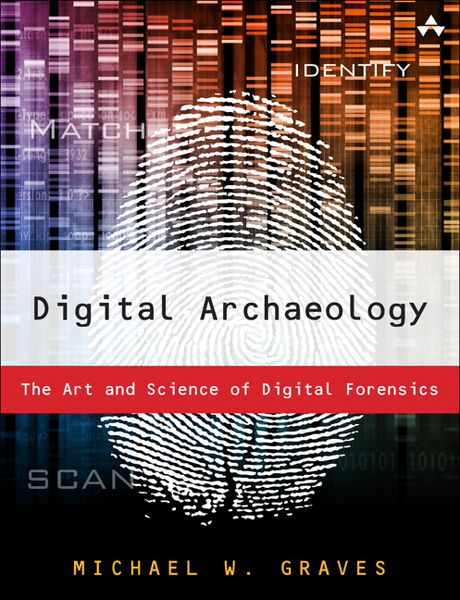
Produktbild: Digital Archaeology: The Art and Science of Digital Forensics
- 15%

Digital Archaeology: The Art and Science of Digital Forensics The Art and Science of Digital Forensics

15% sparen

64,99 € UVP 76,99 €

inkl. gesetzl. MwSt., Versandkostenfrei


Beschreibung

Produktdetails

Einband

Taschenbuch

Erscheinungsdatum

27.08.2013

Verlag

Pearson

Seitenzahl

608

Maße (L/B/H)

23,2/17,8/3,3 cm

Gewicht

1016 g

Auflage

1. Auflage

Sprache

Englisch

ISBN

978-0-321-80390-0

Beschreibung

Produktdetails

Einband

Taschenbuch

Erscheinungsdatum

27.08.2013

Verlag

Pearson

Seitenzahl

608

Maße (L/B/H)

23,2/17,8/3,3 cm

Gewicht

1016 g

Auflage

1. Auflage

Sprache

Englisch

ISBN

978-0-321-80390-0

Herstelleradresse


Email: GPSR Kontakt

Noch keine Bewertungen vorhanden

Verfassen Sie die erste Bewertung zu diesem Artikel

Helfen Sie anderen Kundinnen und Kunden durch Ihre Meinung.

Kundinnen und Kunden meinen

Bewertungen (0)

Die Leseprobe wird geladen.
  • Produktbild: Digital Archaeology: The Art and Science of Digital Forensics
  • Preface xiii

    About the Author xxi

    Chapter 1: The Anatomy of a Digital Investigation 1

    A Basic Model for Investigators 2

    Understanding the Scope of the Investigation 8

    Identifying the Stakeholders 12

    The Art of Documentation 13

    Chapter Review 21

    Chapter Exercises 21

    References 22

    Chapter 2: Laws Affecting Forensic Investigations 23

    Constitutional Implications of Forensic Investigation 24

    The Right to Privacy 29

    The Expert Witness 31

    Chapter Review 32

    Chapter Exercises 32

    References 33

    Chapter 3: Search Warrants and Subpoenas 35

    Distinguishing between Warrants and Subpoenas 36

    What Is a Search and When Is It Legal? 37

    Basic Elements of Obtaining a Warrant 40

    The Plain View Doctrine 43

    The Warrantless Search 44

    Subpoenas 50

    Chapter Review 51

    Chapter Exercises 52

    References 52

    Chapter 4: Legislated Privacy Concerns 55

    General Privacy 56

    Financial Legislation 59

    Privacy in Health Care and Education 62

    Privileged Information 64

    Chapter Review 67

    Chapter Exercises 68

    References 68

    Chapter 5: The Admissibility of Evidence 71

    What Makes Evidence Admissible? 71

    Keeping Evidence Authentic 76

    Defining the Scope of the Search 84

    When the Constitution Doesn’t Apply 84

    Chapter Review 89

    Chapter Exercises 89

    References 89

    Chapter 6: First Response and the Digital Investigator 91

    Forensics and Computer Science 91

    Controlling the Scene of the Crime 96

    Handling Evidence 100

    Chapter Review 109

    Chapter Exercises 109

    References 110

    Chapter 7: Data Acquisition 111

    Order of Volatility 112

    Memory and Running Processes 112

    Acquiring Media 121

    Chapter Review 128

    Chapter Exercises 128

    References 129

    Chapter 8: Finding Lost Files 131

    File Recovery 131

    The Deleted File 141

    Data Carving 145

    Chapter Review 149

    Chapter Exercises 150

    References 150

    Chapter 9: Document Analysis 151

    File Identification 151

    Understanding Metadata 157

    Mining the Temporary Files 172

    Identifying Alternate Hiding Places of Data 176

    Chapter Review 183

    Chapter Exercises 183

    References 183

    Chapter 10: E-mail Forensics 185

    E-mail Technology 185

    Information Stores 191

    The Anatomy of an E-mail 196

    An Approach to E-mail Analysis 203

    Chapter Review 210

    Chapter Exercises 211

    References 211

    Chapter 11: Web Forensics 213

    Internet Addresses 213

    Web Browsers 215

    Web Servers 233

    Proxy Servers 238

    Chapter Review 244

    Chapter Exercises 244

    References 245

    Chapter 12: Searching the Network 247

    An Eagle’s Eye View 247

    Initial Response 248

    Proactive Collection of Evidence 250

    Post-Incident Collection of Evidence 262

    Router and Switch Forensics 268

    Chapter Review 275

    Chapter Exercises 275

    References 276

    Chapter 13: Excavating a Cloud 277

    What Is Cloud Computing? 277

    Shaping the Cloud 279

    The Implications of Cloud Forensics 284

    On Virtualization 291

    Constitutional Issues 300

    Chapter Review 303

    Chapter Exercises 304

    References 304

    Chapter 14: Mobile Device Forensics 307

    Challenges of Mobile Device Forensics 307

    How Cell Phones Work 308

    Data Storage on Cell Phones 313

    Acquisition and Storage 317

    Legal Aspects of Mobile Device Forensics 322

    Chapter Review 324

    Chapter Exercises 325

    References 325

    Chapter 15: Fighting Antiforensics 327

    Artifact Destruction 328

    Hiding Data on the System 336

    Covert Data 347

    Chapter Review 354

    Chapter Exercises 355

    References 355

    Chapter 16: Litigation and Electronic Discovery 357

    What Is E-Discovery? 358

    A Roadmap of E-Discovery 358

    Conclusion 377

    Chapter Review 377

    Chapter Exercises 377

    References 378

    Chapter 17: Case Management and Report Writing 379

    Managing a Case 379

    Writing Reports 389

    Chapter Review 393

    Chapter Exercises 394

    References 394

    Chapter 18: Tools of the Digital Investigator 395

    Software Tools 395

    Working with “Court-Approved” Tools 410

    Hardware Tools 413

    Nontechnical Tools 418

    Chapter Review 421

    Chapter Exercises 422

    References 422

    Chapter 19: Building a Forensic Workstation 423

    What Is a Forensic Workstation? 424

    Commercially Available Forensic Workstations 425

    Building a Forensic Workstation From Scratch 429

    Chapter Review 440

    Chapter Exercises 440

    References 440

    Chapter 20: Licensing and Certification 441

    Digital Forensic Certification 441

    Vendor-Neutral Certification Programs 442

    Vendor-Specific Certification Programs 449

    Digital Forensic Licensing Requirements 452

    Chapter Review 454

    Chapter Exercises 454

    References 454

    Chapter 21: The Business of Digital Forensics 457

    Starting a New Forensics Organization 458

    Maintaining the Organization 466

    Generating Revenue 478

    Organizational Certification 481

    Chapter Review 483

    Chapter Exercises 483

    References 483

    Appendix A: Chapter Review Answers 485

    Appendix B: Sample Forms 505

    Glossary 511

    Index 521