Gutscheinbedingungen

**Gültig bis 17.08.2026 auf Schreibwaren & Office-Artikel online auf thalia.at, in der Thalia App und in teilnehmenden Thalia Buchhandlungen in Österreich mit Schulsortiment. In den Buchhandlungen nur gültig auf lagernde Ware. Einzelne Artikel können ausgeschlossen sein. Ausgenommen sind preisgebundene Artikel. Pro Einkauf einmal einlösbar. Nur gültig gegen Vorlage oder im Onlineshop hinterlegter Bonuscard. Infos zur Einlösung in der Buchhandlung sind auf der Bonuscard-Vorteilspreisseite zu finden. Click & Collect nur bei Onlinevorabzahlung möglich. Keine Einlösung bei Scan & Go-Bezahlung. Keine Barauszahlung. Nicht kombinierbar mit anderen Aktionen und Gutscheinen. Gutschein wird auf max. 500€ Bestellwert angerechnet. Nicht gültig für Geschenkkarten, Versandkosten und Services.

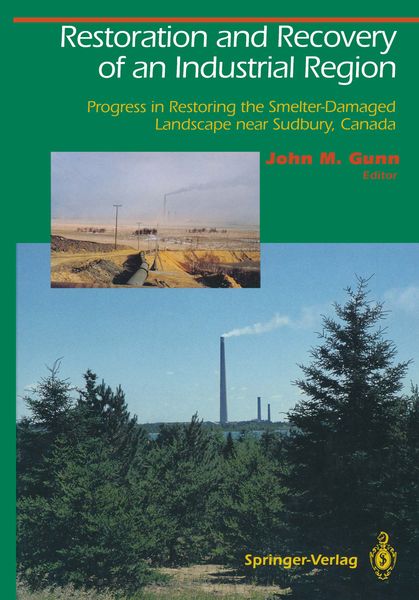
  • Produktbild: Restoration and Recovery of an Industrial Region
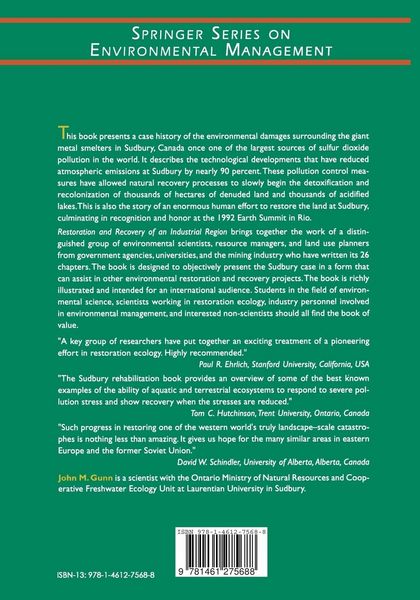
  • Produktbild: Restoration and Recovery of an Industrial Region

Restoration and Recovery of an Industrial Region Progress in Restoring the Smelter-Damaged Landscape Near Sudbury, Canada

158,99 €

inkl. gesetzl. MwSt., Versandkostenfrei


Beschreibung

Produktdetails

Einband

Taschenbuch

Erscheinungsdatum

28.09.2011

Herausgeber

John M. Gunn

Verlag

Springer Us

Seitenzahl

358

Maße (L/B/H)

25,4/17,8/2,1 cm

Gewicht

728 g

Auflage

Softcover reprint of the original 1st ed. 1995

Sprache

Englisch

ISBN

978-1-4612-7568-8

Beschreibung

Produktdetails

Einband

Taschenbuch

Erscheinungsdatum

28.09.2011

Herausgeber

John M. Gunn

Verlag

Springer Us

Seitenzahl

358

Maße (L/B/H)

25,4/17,8/2,1 cm

Gewicht

728 g

Auflage

Softcover reprint of the original 1st ed. 1995

Sprache

Englisch

ISBN

978-1-4612-7568-8

Herstelleradresse

Springer-Verlag GmbH
Tiergartenstr. 17
69121 Heidelberg
DE

Email: GPSR Kontakt

Noch keine Bewertungen vorhanden

Verfassen Sie die erste Bewertung zu diesem Artikel

Helfen Sie anderen Kundinnen und Kunden durch Ihre Meinung.

Kundinnen und Kunden meinen

Bewertungen (0)

  • Produktbild: Restoration and Recovery of an Industrial Region
  • Produktbild: Restoration and Recovery of an Industrial Region
  • Section A. History of Geology, Mineral Exploration, and Environmental Damage.- 1. Geological and Geographic Setting.- 2. Early History of Human Activities in the Sudbury Area and Ecological Damage to the Landscape.- 3. Reading the Records Stored in the Lake Sediments: A Method of Examining the History and Extent of Industrial Damage to Lakes.- Section B. Trends in Natural Recovery after Emission Reductions.- 4. Declining Industrial Emissions, Improving Air Quality, and Reduced Damage to Vegetation.- 5. Lake Water Quality Improvements and Recovering Aquatic Communities.- 6. Lichens: Sensitive Indicators of Improving Air Quality.- 7. Natural Recovery of Vascular Plant Communities on the Industrial Barrens of the Sudbury Area.- Section C. Goals of Restoration.- 8. Municipal Land Restoration Program: The Regreening Process.- 9. Revegetation of the Copper Cliff Tailings Area.- 10. Engineered Wetlands as a Tailings Rehabilitation Strategy.- 11. Preservation of Biodiversity: Aurora Trout.- 12. Partnerships for Wildlife Restoration: Peregrine Falcons.- Section D. Research Topics in Restoration Ecology.- 13. Dynamics of Plant Communities and Soils in Revegetated Ecosystems: A Sudbury Case Study.- 14. Lake Sediments: Sources or Sinks of Industrially Mobilized Elements?.- 15. Liming of Sudbury Lakes: Lessons for Recovery of Aquatic Biota from Acidification.- 16. Trends in Waterfowl Populations: Evidence of Recovery from Acidification.- 17. Acidification and Metal Contamination: Implications for the Soil Biota of Sudbury.- 18. Birch Coppice Woodlands near the Sudbury Smelters: Dynamics of a Forest Monoculture.- 19. Potential Role of Lowbush Blueberry (Vaccinium angustifolium) in Colonizing Metal-Contaminated Ecosystems.- 20. Urban Lakes: Integrators of Environmental Damage and Recovery.- Section E. Planning for the Future.- 21. Developments in Emission Control Technologies/Strategies: A Case Study.- 22. Integrated Management and Progressive Rehabilitation of Industrial Lands.- 23. Remote Sensing and Geographic Information Systems: Technologies for Mapping and Monitoring Environmental Health.- 24. Catchment Management in the Industrial Landscape.- 25. Planning for the Environmentally Friendly City.- 26. From Restoration to Sustainable Ecosystems.- A color insert follows page.