Gutscheinbedingungen

**Gültig bis 17.08.2026 auf Schreibwaren & Office-Artikel online auf thalia.at, in der Thalia App und in teilnehmenden Thalia Buchhandlungen in Österreich mit Schulsortiment. In den Buchhandlungen nur gültig auf lagernde Ware. Einzelne Artikel können ausgeschlossen sein. Ausgenommen sind preisgebundene Artikel. Pro Einkauf einmal einlösbar. Nur gültig gegen Vorlage oder im Onlineshop hinterlegter Bonuscard. Infos zur Einlösung in der Buchhandlung sind auf der Bonuscard-Vorteilspreisseite zu finden. Click & Collect nur bei Onlinevorabzahlung möglich. Keine Einlösung bei Scan & Go-Bezahlung. Keine Barauszahlung. Nicht kombinierbar mit anderen Aktionen und Gutscheinen. Gutschein wird auf max. 500€ Bestellwert angerechnet. Nicht gültig für Geschenkkarten, Versandkosten und Services.

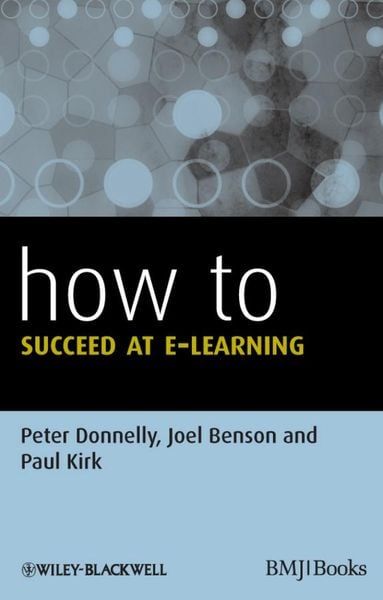
Produktbild: How to Succeed at E-learning

How to Succeed at E-learning

Aus der Reihe HOW - How To

56,99 €

inkl. gesetzl. MwSt., Versandkostenfrei


Beschreibung

Produktdetails

Einband

Taschenbuch

Erscheinungsdatum

23.07.2012

Verlag

John Wiley & Sons

Seitenzahl

160

Maße (L/B/H)

22,4/14,1/1 cm

Gewicht

184 g

Auflage

1. Auflage

Sprache

Englisch

ISBN

978-0-470-67023-1

Beschreibung

Produktdetails

Einband

Taschenbuch

Erscheinungsdatum

23.07.2012

Verlag

John Wiley & Sons

Seitenzahl

160

Maße (L/B/H)

22,4/14,1/1 cm

Gewicht

184 g

Auflage

1. Auflage

Sprache

Englisch

ISBN

978-0-470-67023-1

Herstelleradresse

Libri GmbH
Europaallee 1
36244 Bad Hersfeld
DE

Email: GPSR Kontakt

Noch keine Bewertungen vorhanden

Verfassen Sie die erste Bewertung zu diesem Artikel

Helfen Sie anderen Kundinnen und Kunden durch Ihre Meinung.

Kundinnen und Kunden meinen

Bewertungen (0)

Die Leseprobe wird geladen.
  • Produktbild: How to Succeed at E-learning
  • Acknowledgements, ix
     
    Chapter 1: Introduction, 1
     
    1.1 Overview of the book, 1
     
    1.2 Basic issues, 1
     
    1.3 Challenges as drivers, 2
     
    1.4 The start of technology in learning, 2
     
    Reference, 4
     
    Chapter 2: E-learning . . . what is it?, 5
     
    2.1 Definitions, 5
     
    2.2 Advantages of e-learning, 24
     
    References, 26
     
    Chapter 3: Evidence e-learning works, 29
     
    3.1 Systematic reviews, 29
     
    3.2 Examples of subject-specific studies (categorised by profession), 33
     
    3.3 Summary of findings, 36
     
    3.4 Conclusion, 37
     
    References, 37
     
    Chapter 4: Using e-learning to teach, 41
     
    4.1 Requirement, 42
     
    4.2 Exploration, 54
     
    4.3 The course, 63
     
    4.4 The assessment, 66
     
    4.5 Choosing a platform, 67
     
    4.6 Summary, 68
     
    References, 68
     
    Chapter 5: Access to e-learning, 71
     
    5.1 The basics: files and folders, 71
     
    5.2 Security, 72
     
    5.3 The book and the browser, 73
     
    5.4 Collaborative research, 76
     
    References, 80
     
    Chapter 6: Examples of technology in use, 83
     
    6.1 A Taste of Medicine, 83
     
    6.2 Examples of innovative e-learning from developing countries, 85
     
    6.3 Examples from developed countries, 92
     
    References, 93
     
    Chapter 7: E-learning qualifications, 95
     
    7.1 What to look for in an online course, 96
     
    7.2 Clinical courses, 98
     
    7.3 Leadership courses, 106
     
    7.4 Management courses, 109
     
    7.5 General information on internationally available online MBAs, 113
     
    7.6 Mentoring courses, 114
     
    7.7 Legal courses, 117
     
    References, 120
     
    Chapter 8: Research, 123
     
    8.1 Just in time, just enough and on the move, 123
     
    8.2 What is virtual reality (VR)?, 124
     
    8.3 Virtual reality systems in medicine, 125
     
    8.4 VR in obstetrics and gynaecology, 125
     
    8.5 Life-size patient simulators, 127
     
    8.6 Other simulation examples, 128
     
    8.7 Whole-heart modelling, 129
     
    8.8 Telling stories: understanding real-life genetics, 129
     
    8.9 Second Life VR, 129
     
    References, 133
     
    Chapter 9: Looking towards the future, 135
     
    9.1 The recent past, 135
     
    9.2 Why is 'computing power' important and how is it defined?, 137
     
    9.3 Past trends informing future trends, 137
     
    9.4 Experiments involving neurosurgical implants, 139
     
    9.5 Ongoing development in mobile technology, 140
     
    9.6 Summary, 141
     
    References, 141
     
    Chapter 10: Conclusion, 143
     
    Index, 147