Gutscheinbedingungen

**Gültig bis 15.06.2026 auf Spiele & Spielzeug online auf thalia.at, in der Thalia App ab einem Mindestbestellwert von 30€ und in allen Thalia Buchhandlungen in Österreich. In den Buchhandlungen nur gültig auf lagernde Ware. Einzelne Artikel können ausgeschlossen sein. Ausgenommen sind preisgebundene Artikel sowie online auf thalia.at und in der Thalia App einzelne Artikel von tonies®. Pro Einkauf einmal einlösbar. Nur gültig gegen Vorlage oder im Onlineshop hinterlegter Bonuscard. Infos zur Einlösung in der Buchhandlung sind auf der Bonuscard-Vorteilspreisseite zu finden. Click & Collect nur bei Onlinevorabzahlung möglich. Keine Einlösung bei Scan & Go-Bezahlung. Keine Barauszahlung. Nicht kombinierbar mit anderen Aktionen und Gutscheinen. Gutschein wird auf max. 500€ Bestellwert angerechnet. Nicht gültig für Geschenkkarten, Versandkosten und Services.

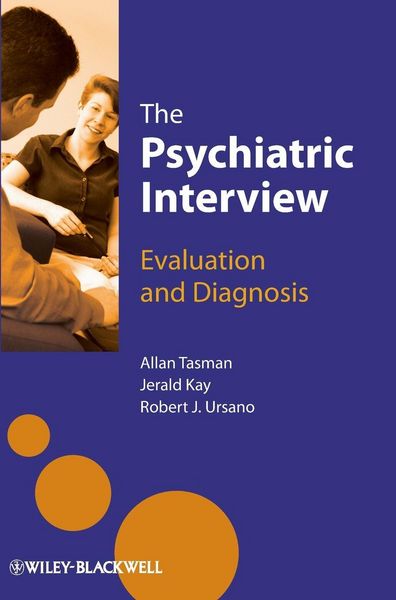
Produktbild: The Psychiatric Interview

The Psychiatric Interview Evaluation and Diagnosis

104,99 €

inkl. gesetzl. MwSt., Versandkostenfrei


Beschreibung

Produktdetails

Einband

Gebundene Ausgabe

Erscheinungsdatum

12.07.2013

Verlag

Wiley

Seitenzahl

208

Maße (L/B/H)

24,4/17,3/1,5 cm

Gewicht

484 g

Sprache

Englisch

ISBN

978-1-119-97623-3

Beschreibung

Produktdetails

Einband

Gebundene Ausgabe

Erscheinungsdatum

12.07.2013

Verlag

Wiley

Seitenzahl

208

Maße (L/B/H)

24,4/17,3/1,5 cm

Gewicht

484 g

Sprache

Englisch

ISBN

978-1-119-97623-3

Herstelleradresse

Libri GmbH
Europaallee 1
36244 Bad Hersfeld
DE

Email: gpsr@libri.de

Kundinnen und Kunden meinen

0 Bewertungen

Informationen zu Bewertungen

Zur Abgabe einer Bewertung ist eine Anmeldung im Konto notwendig. Die Authentizität der Bewertungen wird von uns nicht überprüft. Wir behalten uns vor, Bewertungstexte, die unseren Richtlinien widersprechen, entsprechend zu kürzen oder zu löschen.

Die Bewertungen sind nach Format, Anzahl Sterne und Datum sortiert.

Verfassen Sie die erste Bewertung zu diesem Artikel

Helfen Sie anderen Kund*innen durch Ihre Meinung

Kundinnen und Kunden meinen

0 Bewertungen filtern

Die Leseprobe wird geladen.
  • Produktbild: The Psychiatric Interview
  • Contributors ix

    Preface xi

    Acknowledgments xiii

    Chapter 1 Listening to the Patient 1

    Listening: The Key Skill in Psychiatry 1

    The Primary Tools: Words, Analogies, Metaphors, Similes, and Symbols 3

    How Does One Hear Words in This Way? 4

    Listening as More Than Hearing 6

    Common Blocks to Effective Listening 7

    Crucial Attitudes That Enable Effective Listening 10

    Theoretical Perspectives on Listening 14

    Using Oneself in Listening 16

    To Be Found: The Psychological Product of Being Heard 18

    Listening to Oneself to Listen Better 20

    Listening in Special Clinical Situations 23

    Growing and Maturing as a Listener 26

    Chapter 2 Physician-Patient Relationship 31

    Formation of the Physician-Patient Relationship 34

    Special Issues in the Physician-Patient Relationship 42

    The Physician-Patient Relationship in Specific Populations of Patients 44

    Conclusion 46

    Chapter 3 The Cultural Context of Clinical Assessment 47

    Introduction: The Cultural Matrix of Psychiatry 47

    What Is Culture? 48

    Culture and Gender 50

    The Cultural Formulation 51

    Ethnocultural Identity 52

    Illness Explanations and Help-Seeking 53

    Psychosocial Environment and Levels of Functioning 55

    Clinician-Patient Relationship 56

    Overall Assessment 57

    Cultural Competence 57

    Working with Interpreters and Culture-Brokers 60

    Conclusion: The Limits of Culture 62

    Chapter 4 The Psychiatric Interview: Settings and Techniques 65

    Goals of the Psychiatric Interview 66

    The Psychiatric Database 75

    Database Components 77

    Mental Status Examination 81

    Conduct of the Interview: Factors That Affect the Interview 83

    General Features of Psychiatric Interviews 85

    Chapter 5 Psychiatric Interviews: Special Populations 103
    Randon Welton and Jerald Kay

    Psychiatric Interview in Special Circumstances 104

    Psychiatric Interview in Special Patient Populations 115

    Conclusions 131

    Chapter 6 Formulation 135
    Allison Cowan, Randon Welton and Jerald Kay

    Biological Contributions 136

    Social Factors 138

    Psychological Factors 140

    Summary 146

    Chapter 7 Clinical Evaluation and Treatment Planning: A Multimodal Approach 147

    Psychiatric Interview 147

    Identifying Information 149

    Chief Complaint 149

    History of Present Illness 150

    Past Psychiatric History 150

    Personal History 150

    Family History 151

    Medical History 152

    Substance Use History 152

    Mental Status Examination 153

    Physical Examination 157

    Neurological Examination 158

    Psychological and Neuropsychological Testing 159

    Structured Clinical Instruments and Rating Scales 159

    Laboratory Assessments 159

    Neurophysiologic Assessment 159

    Brain Imaging 162

    Special Assessment Techniques 163

    Assessment of Risk 164

    Suicide Risk 164

    Differential Diagnosis 167

    Initial Treatment Plan 170

    Conclusion 171

    Chapter 8 Professional Ethics and Boundaries 173

    Introduction 173

    Ethical Behavior and Its Relationship to the Professional Attitude 174

    WPA Guidelines on Euthanasia 176

    WPA Guidelines on Torture 177

    WPA Guidelines on Sex Selection 177

    WPA Guidelines on Organ Transplantation 177

    WPA Guidelines on Genetic Research and Counseling in Psychiatric Patients 177

    WPA Guidelines on Ethnic Discrimination and Ethnic Cleansing 178

    WPA Guidelines on Psychiatrists Addressing the Media 178

    The Coherent Treatment Frame and the Role of Therapeutic Boundaries in Effective Psychiatric Treatment 178

    Boundary Violations 179

    Components of the Coherent Psychiatric Frame 180

    Stability 181

    Avoiding Dual Relationships 182

    Autonomy and Neutrality 183

    Coherent and Noncollusive Compensation 183

    Confidentiality 184

    Anonymity 184

    Abstinence 185

    Self-respect and Self-protection 186

    Summary 187

    Index 191