KI-Beratung Beta

Gutscheinbedingungen

**Gültig am 15.10.2026 auf Spielzeug, Schreibwaren, Filme, Geschenke & Trends, Musik, tolino eReader & Zubehör, Hörbücher und Hörbuch-Downloads, nicht preisgebundene Bücher und Kalender in der Thalia App. Einzelne Artikel können ausgeschlossen sein. Aufgrund der Buchpreisbindung sind deutschsprachige Bücher und eBooks ausgenommen. Zusätzlich ausgenommen sind Abos & Flatrates, Games, Geschenkkarten/-boxen, Shelfies, Software, Zeitschriften sowie einzelne Artikel von tonies®. Pro Einkauf einmal einlösbar. Click & Collect nur bei Onlinevorabzahlung möglich. Keine Barauszahlung. Nicht kombinierbar mit anderen Aktionen und Gutscheinen. Gutschein wird auf max. 500€ Bestellwert angerechnet. Nicht gültig für Versandkosten und Services.

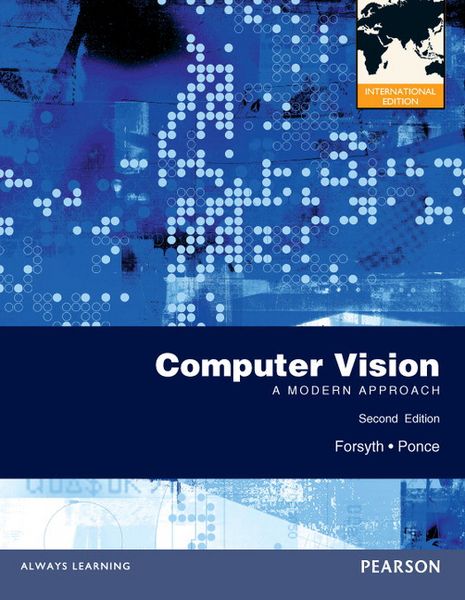
Produktbild: Computer Vision: A Modern Approach
- 15%

Computer Vision: A Modern Approach

15% sparen

83,99 € UVP 99,49 €

inkl. gesetzl. MwSt., Versandkostenfrei


Beschreibung

Produktdetails

Einband

Taschenbuch

Erscheinungsdatum

14.02.2012

Verlag

Pearson Studium

Seitenzahl

792

Maße (L/B/H)

25,4/20,3/4,3 cm

Gewicht

1680 g

Auflage

2

Sprache

Englisch

ISBN

978-0-273-76414-4

Beschreibung

Produktdetails

Einband

Taschenbuch

Erscheinungsdatum

14.02.2012

Verlag

Pearson Studium

Seitenzahl

792

Maße (L/B/H)

25,4/20,3/4,3 cm

Gewicht

1680 g

Auflage

2

Sprache

Englisch

ISBN

978-0-273-76414-4

Herstelleradresse

Financial Times Prent.
St.-Martin-Straße 82
81541 München
DE

Email: salesde@pearson.com

Noch keine Bewertungen vorhanden

Verfassen Sie die erste Bewertung zu diesem Artikel

Helfen Sie anderen Kundinnen und Kunden durch Ihre Meinung.

Kundinnen und Kunden meinen

Bewertungen (0)

  • Produktbild: Computer Vision: A Modern Approach
  • I IMAGE FORMATION 1

    1 Geometric Camera Models 3

    1.1 Image Formation . . . . . . . . . . . . . . . . . . . . . . . . . . . . . 4

    1.1.1 Pinhole Perspective . . . . . . . . . . . . . . . . . . . . . . . 4

    1.1.2 Weak Perspective . . . . . . . . . . . . . . . . . . . . . . . . . 6

    1.1.3 Cameras with Lenses . . . . . . . . . . . . . . . . . . . . . . . 8

    1.1.4 The Human Eye . . . . . . . . . . . . . . . . . . . . . . . . . 12

    1.2 Intrinsic and Extrinsic Parameters . . . . . . . . . . . . . . . . . . . 14

    1.2.1 Rigid Transformations and Homogeneous Coordinates . . . . 14

    1.2.2 Intrinsic Parameters . . . . . . . . . . . . . . . . . . . . . . . 16

    1.2.3 Extrinsic Parameters . . . . . . . . . . . . . . . . . . . . . . . 18

    1.2.4 Perspective Projection Matrices . . . . . . . . . . . . . . . . . 19

    1.2.5 Weak-Perspective Projection Matrices . . . . . . . . . . . . . 20

    1.3 Geometric Camera Calibration . . . . . . . . . . . . . . . . . . . . . 22

    1.3.1 ALinear Approach to Camera Calibration . . . . . . . . . . . 23

    1.3.2 ANonlinear Approach to Camera Calibration . . . . . . . . . 27

    1.4 Notes . . . . . . . . . . . . . . . . . . . . . . . . . . . . . . . . . . . 29

    2 Light and Shading 32

    2.1 Modelling Pixel Brightness . . . . . . . . . . . . . . . . . . . . . . . 32

    2.1.1 Reflection at Surfaces . . . . . . . . . . . . . . . . . . . . . . 33

    2.1.2 Sources and Their Effects . . . . . . . . . . . . . . . . . . . . 34

    2.1.3 The Lambertian+Specular Model . . . . . . . . . . . . . . . . 36

    2.1.4 Area Sources . . . . . . . . . . . . . . . . . . . . . . . . . . . 36

    2.2 Inference from Shading . . . . . . . . . . . . . . . . . . . . . . . . . . 37

    2.2.1 Radiometric Calibration and High Dynamic Range Images . . 38

    2.2.2 The Shape of Specularities . . . . . . . . . . . . . . . . . . . 40

    2.2.3 Inferring Lightness and Illumination . . . . . . . . . . . . . . 43

    2.2.4 Photometric Stereo: Shape from Multiple Shaded Images . . 46

    2.3 Modelling Interreflection . . . . . . . . . . . . . . . . . . . . . . . . . 52

    2.3.1 The Illumination at a Patch Due to an Area Source . . . . . 52

    2.3.2 Radiosity and Exitance . . . . . . . . . . . . . . . . . . . . . 54

    2.3.3 An Interreflection Model . . . . . . . . . . . . . . . . . . . . . 55

    2.3.4 Qualitative Properties of Interreflections . . . . . . . . . . . . 56

    2.4 Shape from One Shaded Image . . . . . . . . . . . . . . . . . . . . . 59

    2.5 Notes . . . . . . . . . . . . . . . . . . . . . . . . . . . . . . . . . . . 61

    3 Color 68

    3.1 Human Color Perception . . . . . . . . . . . . . . . . . . . . . . . . . 68

    3.1.1 Color Matching . . . . . . . . . . . . . . . . . . . . . . . . . . 68

    3.1.2 Color Receptors . . . . . . . . . . . . . . . . . . . . . . . . . 71

    3.2 The Physics of Color . . . . . . . . . . . . . . . . . . . . . . . . . . . 73

    3.2.1 The Color of Light Sources . . . . . . . . . . . . . . . . . . . 73

    3.2.2 The Color of Surfaces . . . . . . . . . . . . . . . . . . . . . . 76

    3.3 Representing Color . . . . . . . . . . . . . . . . . . . . . . . . . . . . 77

    3.3.1 Linear Color Spaces . . . . . . . . . . . . . . . . . . . . . . . 77

    3.3.2 Non-linear Color Spaces . . . . . . . . . . . . . . . . . . . . . 83

    3.4 AModel of Image Color . . . . . . . . . . . . . . . . . . . . . . . . . 86

    3.4.1 The Diffuse Term . . . . . . . . . . . . . . . . . . . . . . . . . 88

    3.4.2 The Specular Term . . . . . . . . . . . . . . . . . . . . . . . . 90

    3.5 Inference from Color . . . . . . . . . . . . . . . . . . . . . . . . . . . 90

    3.5.1 Finding Specularities Using Color . . . . . . . . . . . . . . . 90

    3.5.2 Shadow Removal Using Color . . . . . . . . . . . . . . . . . . 92

    3.5.3 Color Constancy: Surface Color from Image Color . . . . . . 95

    3.6 Notes . . . . . . . . . . . . . . . . . . . . . . . . . . . . . . . . . . . 99

    II EARLY VISION: JUST ONE IMAGE 105

    4 Linear Filter