Gutscheinbedingungen

**Gültig bis 14.09.2026 auf Spielzeug, Schreibwaren, Filme, Geschenke & Trends, Musik, tolino eReader & Zubehör, Hörbücher, nicht preisgebundene Bücher und Kalender in der Thalia App. Einzelne Artikel können ausgeschlossen sein. Aufgrund der Buchpreisbindung sind deutschsprachige Bücher und eBooks ausgenommen. Zusätzlich ausgenommen sind Abos & Flatrates, Games, Geschenkkarten/-boxen, Shelfies, Software, Zeitschriften sowie einzelne Artikel von tonies®. Pro Einkauf einmal einlösbar. Nur gültig mit im Onlineshop hinterlegter Bonuscard. Click & Collect nur bei Onlinevorabzahlung möglich. Keine Barauszahlung. Nicht kombinierbar mit anderen Aktionen und Gutscheinen. Gutschein wird auf max. 500€ Bestellwert angerechnet. Nicht gültig für Versandkosten und Services.

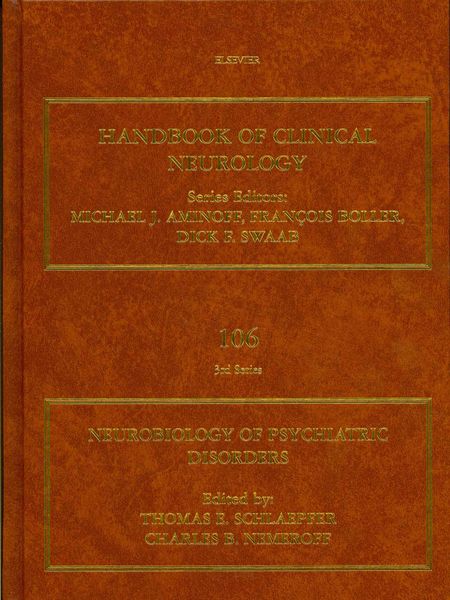
Produktbild: Neurobiology of Psychiatric Disorders
- 13%

Neurobiology of Psychiatric Disorders Volume 106

13% sparen

191,99 € UVP 221,10 €

inkl. gesetzl. MwSt., Versandkostenfrei


Beschreibung

Produktdetails

Einband

Gebundene Ausgabe

Erscheinungsdatum

09.07.2012

Herausgeber

Thomas E. Schlaepfer + weitere

Verlag

Elsevier Science & Technology

Seitenzahl

762

Maße (L/B/H)

27,7/20,5/4,3 cm

Gewicht

2349 g

Auflage

3rd edition

Sprache

Englisch

ISBN

978-0-444-52002-9

Beschreibung

Produktdetails

Einband

Gebundene Ausgabe

Erscheinungsdatum

09.07.2012

Herausgeber

Verlag

Elsevier Science & Technology

Seitenzahl

762

Maße (L/B/H)

27,7/20,5/4,3 cm

Gewicht

2349 g

Auflage

3rd edition

Sprache

Englisch

ISBN

978-0-444-52002-9

Herstelleradresse

Libri GmbH
Europaallee 1
36244 Bad Hersfeld
DE

Email: gpsr@libri.de

Noch keine Bewertungen vorhanden

Verfassen Sie die erste Bewertung zu diesem Artikel

Helfen Sie anderen Kundinnen und Kunden durch Ihre Meinung.

Kundinnen und Kunden meinen

Bewertungen (0)

Die Leseprobe wird geladen.
  • Produktbild: Neurobiology of Psychiatric Disorders
  • 1. Psychiatry and neuroscience history; 2. Receptor signaling and the cell biology of synaptic transmission; 3. Human genetics of schizophrenia; 4. Neurological and psychiatric aspects of emotion; 5. Research methods: cognitive neuropsychological methods; 6. Structural imaging in psychiatric disorders; 7. Human functional neuroimaging; 8. Neurotransmitters and neuropeptides in depression; 9. Animal models of psychiatric disorders; 10. Psychiatric epidemiology; 11. Emerging methods in the molecular biology of neuropsychiatric disorders; 12. Clinical psychoneuroimmunology; 13. Psychiatric rating scales; 14. Unipolar depression; 15. Bipolar disorder; 16. The neurobiology and treatment of late-life depression; 17. Seasonal affective disorder; 18. Biological and clinical framework for post-traumatic stress disorder; 19. Generalised anxiety disorder; 20. Panic disorder; 21. Obsessive compulsive disorder; 22. Attention deficit hyperactivity disorder; 23. Autism and related disorders; 24. Substance abuse disorders; 25. Cognitive impairment in schizophrenia: profile, course and neurobiological determinants; 26. Eating disorders: anorexia and bulimia nervosa; 27. Personality disorders; 28. Psychiatric, non motor aspects of Parkinson's disease; 29. Stroke; 30. Huntingdon's disease; 31. Sleep disorders; 32. Depression and cardiovascular disorders; 33. Psychiatric disorders among cancer patients; 34. Chronic fatigue syndrome; 35. Neurocognitive deficits in patients with human immunodeficiency virus infection; 36. Gastrointestinal disorders; 37. Role of psychotherapy in the management of psychiatric diseases; 38. Pharmacology and neuroimaging of antidepressant action; 39. Antipsychotic drugs; 40. Anxiolytics; 41. Brain stimulation therapies for neuropsychiatric disease; 42. Chronotherapeutics, light and wake therapy as a class of interventions for affective disorders; 43. Pharmacogenetics of antidepressants and mood stabilisers