KI-Beratung Beta

  • Produktbild: Pul Eliya
  • Produktbild: Pul Eliya

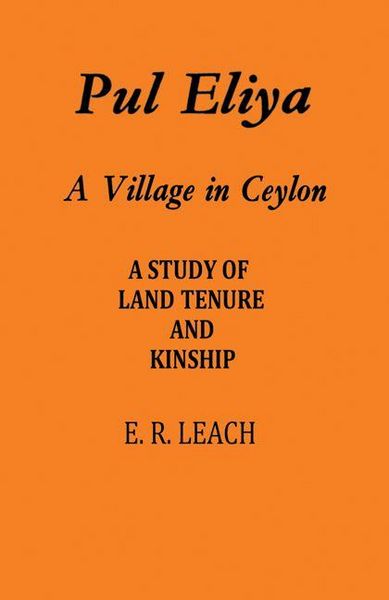
Pul Eliya A Village in Ceylon

68,99 €

inkl. gesetzl. MwSt., Versandkostenfrei


Beschreibung

The North Central Province of Ceylon was the focus of a major civilisation which flourished between the third century BC and the twelfth century AD. The area is an arid plain where habitation is possible only with the help of an elaborate irrigation system; and the existing villages use the same irrigation...

Beschreibung

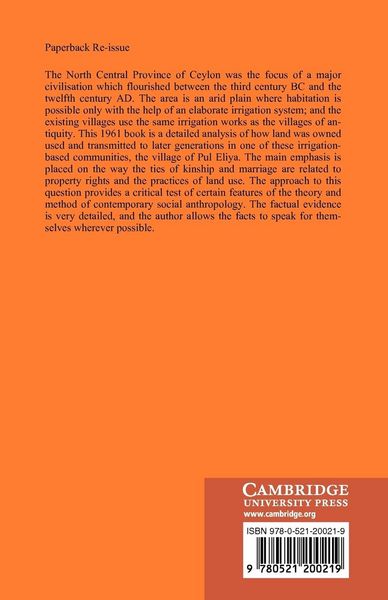
The North Central Province of Ceylon was the focus of a major civilisation which flourished between the third century BC and the twelfth century AD. The area is an arid plain where habitation is possible only with the help of an elaborate irrigation system; and the existing villages use the same irrigation works as the villages of antiquity. This 1961 book is a detailed analysis of how land was owned used and transmitted to later generations in one of these irrigation-based communities, the village of Pul Eliya. The main emphasis is placed on the way the ties of kinship and marriage are related to property rights and the practices of land use. The approach to this question provides a critical test of certain features of the theory and method of contemporary social anthropology. The factual evidence is very detailed, and the author allows the facts to speak for themselves wherever possible.

Produktdetails

Einband

Taschenbuch

Erscheinungsdatum

08.02.2011

Verlag Cambridge Academic
Seitenzahl

372

Produktdetails

Einband

Taschenbuch

Erscheinungsdatum

08.02.2011

Verlag Cambridge Academic
Seitenzahl

372

Maße (L/B/H)

21,6/14/2,2 cm

Gewicht

470 g

Sprache

Englisch

ISBN

978-0-521-20021-9

Herstelleradresse

Libri GmbH
Europaallee 1
36244 Bad Hersfeld
DE

Email: gpsr@libri.de

Noch keine Bewertungen vorhanden

Verfassen Sie die erste Bewertung zu diesem Artikel

Helfen Sie anderen Kundinnen und Kunden durch Ihre Meinung.

Kundinnen und Kunden meinen

Bewertungen (0)

  • Produktbild: Pul Eliya
  • Produktbild: Pul Eliya
  • List of illustrations; Acknowledgements; Note to Reader; 1. Introduction; Pul Eliya: the general background; 3. The Pul Eliya land map; 4. The kinship system; 5. Traditional land tenure; 6. Non-traditional land tenure; 7. The organisation and reward of labour; 8. Conclusion; Appendices; references; General index.