• Produktbild: Vernacular Literary Theory in the Middle Ages
  • Produktbild: Vernacular Literary Theory in the Middle Ages

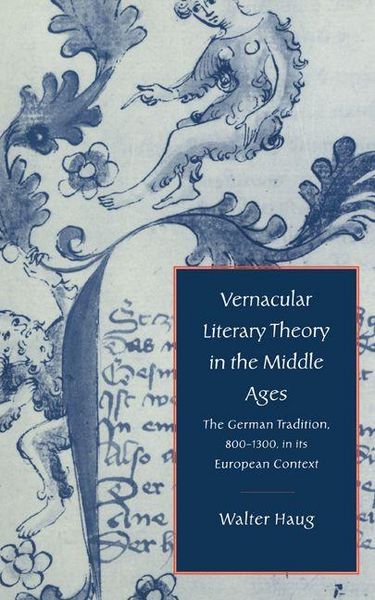
Vernacular Literary Theory in the Middle Ages The German Tradition, 800-1300, in Its European Context

188,99 €

inkl. gesetzl. MwSt., Versandkostenfrei


Beschreibung

Produktdetails

Einband

Gebundene Ausgabe

Erscheinungsdatum

12.01.2011

Verlag

Cambridge Academic

Seitenzahl

444

Maße (L/B/H)

23,5/15,7/3,1 cm

Gewicht

820 g

Sprache

Englisch

ISBN

978-0-521-34197-4

Beschreibung

Produktdetails

Einband

Gebundene Ausgabe

Erscheinungsdatum

12.01.2011

Verlag

Cambridge Academic

Seitenzahl

444

Maße (L/B/H)

23,5/15,7/3,1 cm

Gewicht

820 g

Sprache

Englisch

ISBN

978-0-521-34197-4

Herstelleradresse

Libri GmbH
Europaallee 1
36244 Bad Hersfeld
DE

Email: gpsr@libri.de

Noch keine Bewertungen vorhanden

Verfassen Sie die erste Bewertung zu diesem Artikel

Helfen Sie anderen Kundinnen und Kunden durch Ihre Meinung.

Kundinnen und Kunden meinen

Bewertungen (0)

  • Produktbild: Vernacular Literary Theory in the Middle Ages
  • Produktbild: Vernacular Literary Theory in the Middle Ages
  • Translator's preface; Preface to the English edition; Introductory remarks; 1. The background: Christian aesthetics versus classical rhetoric; 2. The problem of the vernacular: Otfrid von Weissenburg and the beginnings of literary theory in Old High German; 3. Literature, allegory and salvation: theoretical positions in Early Middle High German; 4. Religious adaptation of secular forms: the Rolandslied, Brautwerbungsepen ('bridal quests'), the Alexander romance; 5. Chrétien de Troyes' prologue to Erec et Enide and the Arthurian structural model; 6. Divine inspiration and the changing role of the poet in Chrétien's Lancelot and Cligés; 7. Hartmann von Aue's fictional programme: the prologue to Iwein; 8. Hagiographical legend or romance? - Hartmann's prologue to Gregorius; 9. Wolfram von Eschenbach's literary theory: the prologue to Parzival, the metaphor of the bow, and the 'self-defence'; 10. Wolfram's Willehalm: a return to historical romance?; 11. Ethics and aesthetics: Gottfried von Strassburg's literary theory; 12. The truth of fiction: Thomasin von Zerklære and integumentum theory; 13. The Lucidarius A-prologue in the context of contemporary literary theory, and the origins of the prose romance; 14. Magic, morals and manipulation: the emergence of the post-classical Arthurian romance; 15. Rudolf von Ems' Der guote Gêrhart: a programmatic rejection of the correlation between merit and reward; 16. Chance, fortune and virtue: Rudolf von Ems' Alexander; 17. Wolfram's prologue to Willehalm: a model for later hagiographical romances; 18. The new genre of love-romance: suffering as a way to fulfilment. From Rudolf von Ems' Willehalm von Orlens to Ulrich von Etzenbach's Willehalm von Wenden; 19. Konrad von Würzburg: spellbinding artistry and individual moral action; 20. Albrecht's Der jüngere Titurel: magic and moral code in the inscription on the hound's leash; Concluding remarks; Bibliography; Index.