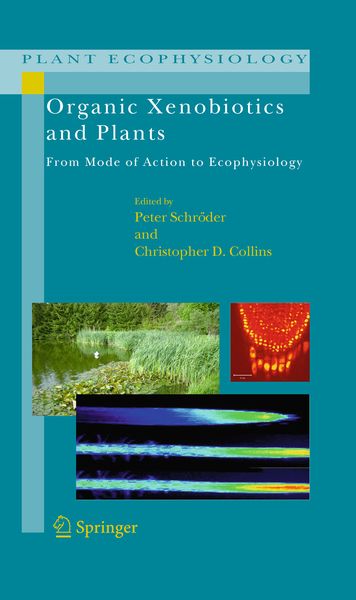
• Produktbild: Organic Xenobiotics and Plants
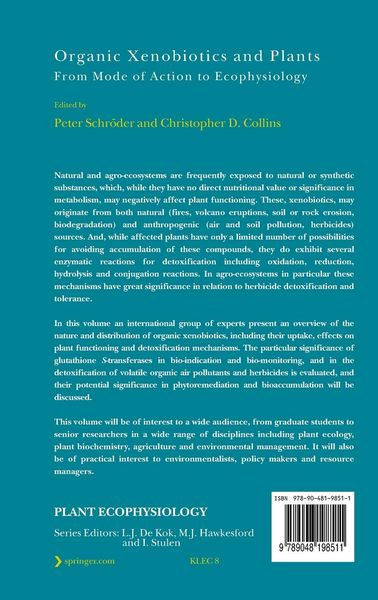
  • Produktbild: Organic Xenobiotics and Plants
Band 8 - 12%

Organic Xenobiotics and Plants From Mode of Action to Ecophysiology

Aus der Reihe Plant Ecophysiology
12% sparen

144,99 € UVP 164,99 €

inkl. gesetzl. MwSt., Versandkostenfrei


Beschreibung

Produktdetails

Einband

Gebundene Ausgabe

Erscheinungsdatum

08.11.2010

Herausgeber

Peter Schröder + weitere

Verlag

Springer Netherland

Seitenzahl

311

Maße (L/B/H)

24,1/16/2,5 cm

Gewicht

656 g

Auflage

1. Auflage

Sprache

Englisch

ISBN

978-90-481-9851-1

Beschreibung

Portrait

Peter Schröder, B.A. wurde 1983 in Görlitz geboren und studierte Politik und Soziologie in Osnabrück. Während dieser Zeit und durch seine vorherige Tätigkeit in verschiedenen Marketingagenturen, konnte der Autor bereits Erfahrungen in den Bereichen Marketing, Politikberatung und Verbandsarbeit, sowie wissenschaftlichen und lehrenden Tätigkeiten sammeln. So hielt er zwischen 2009 und 2011, noch während seines Studiums, regelmäßige Gastvorträge am Fachbereich Wirtschafts- und Sozialwissenschaften, der Hochschule Osnabrück.

Produktdetails

Einband

Gebundene Ausgabe

Erscheinungsdatum

08.11.2010

Herausgeber

Verlag

Springer Netherland

Seitenzahl

311

Maße (L/B/H)

24,1/16/2,5 cm

Gewicht

656 g

Auflage

1. Auflage

Sprache

Englisch

ISBN

978-90-481-9851-1

Herstelleradresse

Springer-Verlag GmbH
Tiergartenstr. 17
69121 Heidelberg
DE

Email: ProductSafety@springernature.com

Kundinnen und Kunden meinen

0 Bewertungen

Informationen zu Bewertungen

Zur Abgabe einer Bewertung ist eine Anmeldung im Konto notwendig. Die Authentizität der Bewertungen wird von uns nicht überprüft. Wir behalten uns vor, Bewertungstexte, die unseren Richtlinien widersprechen, entsprechend zu kürzen oder zu löschen.

Die Bewertungen sind nach Format, Anzahl Sterne und Datum sortiert.

Verfassen Sie die erste Bewertung zu diesem Artikel

Helfen Sie anderen Kund*innen durch Ihre Meinung

Kundinnen und Kunden meinen

0 Bewertungen filtern

  • Produktbild: Organic Xenobiotics and Plants
  • Produktbild: Organic Xenobiotics and Plants
  • Preface.- Part I. PRINCIPLES OF TRANSPORT, DEPOSITION AND UPTAKE
    1. Plant Uptake of Xenobiotics. Introduction. Root uptake. Soil-root interactions. Transfer from roots to other plant parts. Soil-root interactions for ionic chemicals. Leaf uptake. Vapour or gas uptake from ambient air. Particulate deposition on plant surfaces. Other factors controlling plant uptake of organic chemicals. Accumulating species. Lipid composition. Foliage. Plant metabolism. Growth dilution. Conclusion. References; C. Collins et al.-
    2. Haloorganics in temperate forest ecosystems: sources, transport and degradation. Introduction. Sources. Sea salt. Erosion and weathering. Fires. Volcanoes. Other natural biotic sources. Production by organisms. Intentional biotic production. Antibiotics. The role of chlorinated organic compounds in microbial metabolism. Unintentional biotic production. De-icing salt. Other anthropogenic sources. Transport within the ecosystem. Leaching. Volatilisation. Role of fire. Plant litter. Degradation. Abiotic degradation. Biotic degradation. Site budgets. Gaps in knowledge. References; N. Clarke et al.-
    3. Semivolatiles in the forest environment. Introduction to polycyclic aromatic hydrocarbons. Properties of PAH. Sources of PAH. Spatial patterns and trends of PAH emissions and advection. The fate of PAHs in forests. Interaction of air masses with the forest canopy. Deposition of PAHs. Levels of PAHs in leaves and needles. PAHs in the litter and the soil. Deposition of PAHs. Levels of PAHs in soils. Effects of PAHs on ecosystem. References; C.A. Belis et al.-
    Part II. CASE STUDIES
    4. A case study: Uptake and Accumulation of Persistent Organic Pollutants in Cucurbitaceae species. Introduction. The Cucurbitaceae family. POPs and Cucurbita species. DDT/DDE/DDD. Dieldrin and endrin. Heptachlor. Chlordane. Polychlorinated biphenyls. Dioxins and furans. Conclusions. References; A. Bittsánszky et al.-
    5. Trichloroacetic acid in the forest ecosystem. Introduction. Properties of Trichloroacetic acid and its occurrence in the environment. Plants and TCA. Physiological effects. The role of the rhizosphere. Conclusions. References; M. Matucha, P. Schröder.-
    6. Persistent organic pollutants (POPs) in Switzerland related to long-range transboundary transport. Results of a case study. Introduction. Material and Methods. Results and Discussion. Short chain chlorinated paraffin’s (CFCs) and Chlorobenzenes. Organochlorine pesticides (OCPs). Hexachlorocyclohexanes (HCH). Polychlorinated biphenyls (PCBs). Polycyclic aromatic hydrocarbons (PAHs). Polychlorinated dibenzo-p-dioxins and furans (PCDDs/PCDFs). Conclusion. References; R. Herzig et al.-
    Part III. POLLUTANT DEGRADATION AND ECOSYSTEM REMEDIATION FROM ENZYMES TO WHOLE PLANTS
    7. New perspectives on the metabolism and detoxification of synthetic compounds in plants. Introduction. The plant xenome and its organization. Detoxifying enzymes. Phase 1 enzymes. Oxido-reductases. Phase 1 enzymes- hydrolases. Phase 2 enzymes – Glutathione transferases (GSTs). Phase 2 enzymes- Glycosyltransferases. Phase 2 enzymes- Malonyltransferases. Phase 3 transport processes- ABC transporter proteins. Phase 4 - Further processing of xenobiotics. Up-regulation of the xenome and xenobiotic resistance. Conclusion. References; R. Edwards et al.-
    8. Using plants to remove foreign compounds from contaminated water and soil. Introduction. Phytoremediation of organics. Selection of plants for phytoremediation. The applicability of phytoremediation. Sulphonated aromatic compounds in wastewater. Limits of microbial degradability. Potential of phytotreatment. Azo dyes in industrial effluent. Conventional dye treatments. Azo-dyes phytoremediation. Rhizodegradation. Phytodegradation. Hydrophobic compounds: phytoremediation of PCB-contaminated soils. Phytoextraction. Conclusions: phytoremediation trends for the near future. References; J.-P. Schwitzguébel et al.-
    9. Biodegradation of Organic Xenobiotic Pollutants in the Rhizosphere. Introduction. Biodegradation and rhizoremediation of xenobiotics using rhizospheric bacteria. Biodegradation in the rhizosphere and plant growth promoting bacteria. Rhizoremediation of organic pollutants. Biodegradation of xenobiotics with the help of mycorrhizal fungi. Practical implementation of plant-microbial systems in PAHs biodegradation. References; H. Azaizeh et al.-
    10. Bioindicators and Biomonitors: Use of organisms to observe the influence of chemicals on the environment. Introduction. General information on the environment. Specific information on the environment. Definitions. Further studies and outlook: MMBC and teaching guidelines. References; B. Markert et al.-
    11. SAR Based Computational Models as Decision Making Tools in Bioremediation. Introduction. Computational models based on QSAR. Target level. Chemical Structures. Molecular descriptors. Data Analysis and Model Construction. Expert Systems. QSAR & Expert Systems in Bioremediation. Chemical Persistence, Bioaccumulation and Toxicity. Prediction of Persistence/Biodegradation. BIOWIN. TOPKAT. MULTICASE. CATABOL. TOXTREE. PBT Profiler. AMBIT XT. OECD QSAR Toolbox. Prediction of Bioaccumulation. BCF Prediction tools. Accumulation/ concentration in soil. Prediction of Toxicity. Biotransformation. Microbial metabolism. Software Tools. Commercial systems for Biotranformation. Phytoremediation. Conclusions. References; N. Price, Q. Chaudhry.-
    12. State-of-the-art Chemical Analyses: Xenobiotics, Plant Proteomics, and Residues in Plant Based Products. Introduction. Complex Sample Analyses and System Biology. Metabolic Profiling of Xenobiotics. Proteomics: An overview. Proteomics in Plants. Experimental Design of Plant Developmental Proteome Analyses. Plant Proteome Analysis. Protein Profiling in Plants. Analytical Techniques. Chromatography. Nuclear Magnetic Resonance (NMR). Spectroscopy. Mass Spectrometry (MS) and Ion Mobility (IMS). Mass Spectrometry. Ion Mobility Spectrometry. Quantitative Plant Proteomics. Analysis of Post Translational Modifications in Plant Proteins. Proteomics in Plant Stress Response. Abiotic Stresses. Biotic Stresses. Oxidative Stresses. Protection of Tissues from Oxidative Damage. Proteomics Analysis in Symbionts Plants with Soil Microbes. Emerging Technologies for Sensitive Metabolic Flux Analysis. Plant Proteomics as a Tool to Identify Xenobiotics. Mass Spectrometry in “X-omics” Studies. Top-down and Bottom-up Mass Spectrometry. Ion Fragmentation Techniques for Biomolecular Sequencing in MSn. Performance Characteristics of Various Mass Spectrometers. Components of Mass Spectrometers. Data Related Parameters (MRP, MMA, LOD). Future Directions and Challenges. References; T. Solouki et al.- Index.-