KI-Beratung Beta

Gutscheinbedingungen

**Gültig am 27.11.2026 auf Spielzeug, Schreibwaren, Filme, Geschenke & Trends, Musik, tolino eReader & Zubehör, Hörbücher und Hörbuch-Downloads, nicht preisgebundene Bücher und Kalender online auf thalia.at und in der Thalia App. Einzelne Artikel können ausgeschlossen sein. Aufgrund der Buchpreisbindung sind deutschsprachige Bücher und eBooks ausgenommen. Zusätzlich ausgenommen sind Abos & Flatrates, Games, Geschenkkarten/-boxen, Shelfies, Software, Zeitschriften sowie einzelne Artikel von tonies®. Pro Einkauf einmal einlösbar. Click & Collect nur bei Onlinevorabzahlung möglich. Keine Barauszahlung. Nicht kombinierbar mit anderen Aktionen und Gutscheinen. Gutschein wird auf max. 500€ Bestellwert angerechnet. Nicht gültig für Versandkosten und Services.

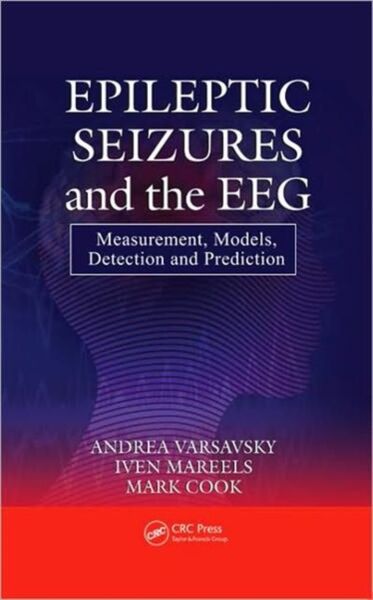
Produktbild: Varsavsky, A: Epileptic Seizures and the EEG

Varsavsky, A: Epileptic Seizures and the EEG

389,99 €

inkl. gesetzl. MwSt., Versandkostenfrei


Beschreibung

Analysis of medical data using engineering tools is a rapidly growing area, both in research and in industry, yet few texts exist that address the problem from an interdisciplinary perspective. Epileptic Seizures and the EEG: Measurement, Models, Detection and Prediction brings together biology and engineering...

Beschreibung

Analysis of medical data using engineering tools is a rapidly growing area, both in research and in industry, yet few texts exist that address the problem from an interdisciplinary perspective. Epileptic Seizures and the EEG: Measurement, Models, Detection and Prediction brings together biology and engineering practices and identifies the aspects of the field that are most important to the analysis of epilepsy.

Analysis of EEG records

The book begins by summarizing the physiology and the fundamental ideas behind the measurement, analysis and modeling of the epileptic brain. It introduces the EEG as a measured signal and explains its use in the study of epilepsy. Next, it provides an explanation of the type of brain activity likely to register in EEG measurements, offering quantitative analysis of the populations of neurons that contribute to both scalp and cortical EEG and discussing the limitations and effects that choices made in the recording process have on the data. The book provides an overview of how these EEG records are and have been analyzed in the past, concentrating on the mathematics relevant to the problem of classification of EEG. The authors use these extracted features to differentiate between or classify inter-seizure, pre-seizure and seizure EEG.

The challenge of seizure prediction

The book focuses on the problem of seizure detection and surveys the physiologically based dynamic models of brain activity. Finally, the book addresses the fundamental question: can seizures be predicted? Through analysis of epileptic activity spanning from 3 hours to 25 years, it is proposed that seizures may be predictable, but the amount of data required is greater than previously thought. Based on the authors' extensive research, the book concludes by exploring a range of future possibilities in seizure prediction.

Produktdetails

Einband

Gebundene Ausgabe

Erscheinungsdatum

21.12.2010

Abbildungen

106 SW-Abb., 9 Tabellen

Verlag Taylor & Francis

Produktdetails

Einband

Gebundene Ausgabe

Erscheinungsdatum

21.12.2010

Abbildungen

106 SW-Abb., 9 Tabellen

Verlag Taylor & Francis
Seitenzahl

368

Maße (B/H)

15,6/23,4 cm

Gewicht

635 g

Sprache

Englisch

ISBN

978-1-4398-1200-6

Herstelleradresse

Taylor and Francis
Taylor & Francis Verlag GmbH, Kaufingerstraße 24
80331 München
DE
gpsr@taylorandfrancis.com

Noch keine Bewertungen vorhanden

Verfassen Sie die erste Bewertung zu diesem Artikel

Helfen Sie anderen Kundinnen und Kunden durch Ihre Meinung.

Kundinnen und Kunden meinen

Bewertungen (0)

  • Produktbild: Varsavsky, A: Epileptic Seizures and the EEG
  • Introduction. EEG Generation and Measurement. Signal Processing in EEG Analysis. Classifying the EEG. Seizure Detection. Modeling for Epilepsy. On the Predictability of Seizures. Concluding Remarks.