
Gutscheinbedingungen

**Gültig bis 14.09.2026 auf Spielzeug, Schreibwaren, Filme, Geschenke & Trends, Musik, tolino eReader & Zubehör, Hörbücher, nicht preisgebundene Bücher und Kalender in der Thalia App. Einzelne Artikel können ausgeschlossen sein. Aufgrund der Buchpreisbindung sind deutschsprachige Bücher und eBooks ausgenommen. Zusätzlich ausgenommen sind Abos & Flatrates, Games, Geschenkkarten/-boxen, Shelfies, Software, Zeitschriften sowie einzelne Artikel von tonies®. Pro Einkauf einmal einlösbar. Nur gültig mit im Onlineshop hinterlegter Bonuscard. Click & Collect nur bei Onlinevorabzahlung möglich. Keine Barauszahlung. Nicht kombinierbar mit anderen Aktionen und Gutscheinen. Gutschein wird auf max. 500€ Bestellwert angerechnet. Nicht gültig für Versandkosten und Services.

  • Produktbild: Diabetic Adolescents and their Families
  • Produktbild: Diabetic Adolescents and their Families

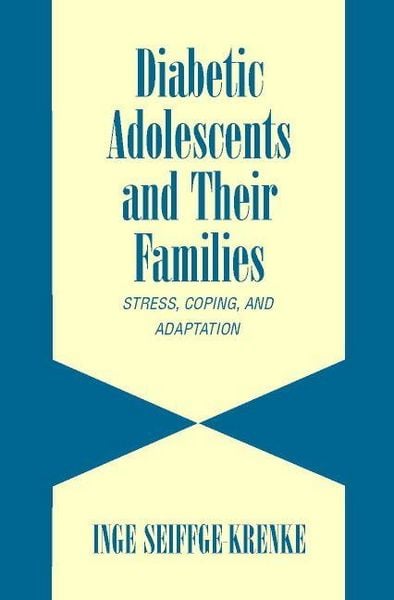
Diabetic Adolescents and their Families Stress, Coping, and Adaptation

153,99 €

inkl. gesetzl. MwSt., Versandkostenfrei


Beschreibung

Produktdetails

Einband

Gebundene Ausgabe

Erscheinungsdatum

19.08.2015

Verlag

Cambridge Academic

Seitenzahl

348

Maße (L/B/H)

23,5/15,7/2,5 cm

Gewicht

610 g

Sprache

Englisch

ISBN

978-0-521-79200-4

Beschreibung

Produktdetails

Einband

Gebundene Ausgabe

Erscheinungsdatum

19.08.2015

Verlag

Cambridge Academic

Seitenzahl

348

Maße (L/B/H)

23,5/15,7/2,5 cm

Gewicht

610 g

Sprache

Englisch

ISBN

978-0-521-79200-4

Herstelleradresse

Libri GmbH
Europaallee 1
36244 Bad Hersfeld
DE

Email: gpsr@libri.de

Noch keine Bewertungen vorhanden

Verfassen Sie die erste Bewertung zu diesem Artikel

Helfen Sie anderen Kundinnen und Kunden durch Ihre Meinung.

Kundinnen und Kunden meinen

Bewertungen (0)

  • Produktbild: Diabetic Adolescents and their Families
  • Produktbild: Diabetic Adolescents and their Families
  • Preface; Foreword Stuart T. Hauser; 1. Epidemiology of chronic illnesses in adolescence; 2. Coping with illness in adolescence: an overview of research from the past 25 years; 3. Coping with diabetes: a longitudinal study; 4. Knowledge of the illness, compliance, and patient-physician relationships; 5. Self-concept, body image, and perceived health; 6. Adolescent, parental, and family coping with stressors; 7. Chronic illness and the family: the perspective of mothers, fathers, and siblings; 8. Friendships, romantic relationships, school, and career; 9. Successful adaptation or the development of psychopathology?; 10. Pathways for resolving the dilemma between developmental progression and adaptation to the illness; 11. Some implications for prevention and intervention.