
Beschreibung
Produktdetails
Einband
Gebundene Ausgabe
Erscheinungsdatum
01.03.2002
Herausgeber
Fredrich Lenger + weitereVerlag
Bloomsbury AcademicSeitenzahl
198
Maße (L/B/H)
22,5/14,4/1,6 cm
Gewicht
345 g
Sprache
Englisch
ISBN
978-1-85973-586-2
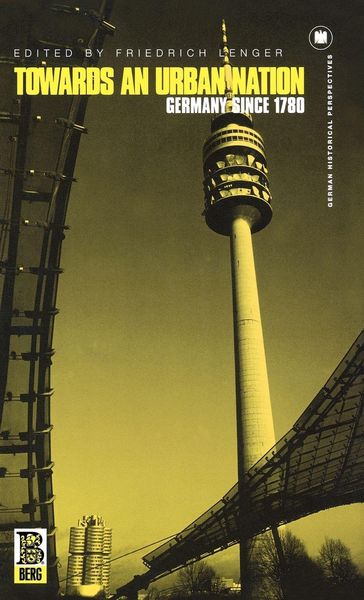
For many people, urbanization and the growth of big cities promised new lives, employment opportunities and increased prosperity. And in the long run this fundamental process of social change witnessed the spread of a new urban way of life. In the short run, however, the rapid urbanization of German society brought a range of pressing social, political and environmental concerns. Rapidly expanding cities meant overcrowding, sickness, pollution and growing inequality between the rich and poor. While some of these problems were largely overcome in the course of the twentieth century, German cities faced new challenges due to the Nazi dictatorship, the bombing of World War II, and the interventions of city planners in both the GDR and the Federal Republic.This book explores the nature and impact of Germany's urbanization during the nineteenth and twentieth centuries and emphasizes the range of solutions and reforms, both private and governmental, introduced to address these issues. What did these new cities look like? How did they develop? Who ran them? How were cities perceived by their inhabitants? Exploring these and other key questions, this book makes a vital new contribution to studies of urbanization, one of the most fundamental factors in the creation of the modern era.
Noch keine Bewertungen vorhanden
Verfassen Sie die erste Bewertung zu diesem Artikel
Helfen Sie anderen Kundinnen und Kunden durch Ihre Meinung.
Kurze Frage zu unserer Seite
Vielen Dank für Ihr Feedback
Wir nutzen Ihr Feedback, um unsere Produktseiten zu verbessern. Bitte haben Sie Verständnis, dass wir Ihnen keine Rückmeldung geben können. Falls Sie Kontakt mit uns aufnehmen möchten, können Sie sich aber gerne an unseren Kund*innenservice wenden.
zum Kundenservice