KI-Beratung Beta

Gutscheinbedingungen

**Gültig bis 30.11.2026 auf Spielzeug, Schreibwaren, Filme, Geschenke & Trends, Musik, tolino eReader & Zubehör, Hörbücher und Hörbuch-Downloads, nicht preisgebundene Bücher und Kalender online auf thalia.at und in der Thalia App. Einzelne Artikel können ausgeschlossen sein. Aufgrund der Buchpreisbindung sind deutschsprachige Bücher und eBooks ausgenommen. Zusätzlich ausgenommen sind Abos & Flatrates, Games, Geschenkkarten/-boxen, Shelfies, Software, Zeitschriften sowie einzelne Artikel von tonies®. Pro Einkauf einmal einlösbar. Nur gültig mit im Onlineshop hinterlegter Bonuscard. Click & Collect nur bei Onlinevorabzahlung möglich. Keine Barauszahlung. Nicht kombinierbar mit anderen Aktionen und Gutscheinen. Gutschein wird auf max. 500€ Bestellwert angerechnet. Nicht gültig für Versandkosten und Services.

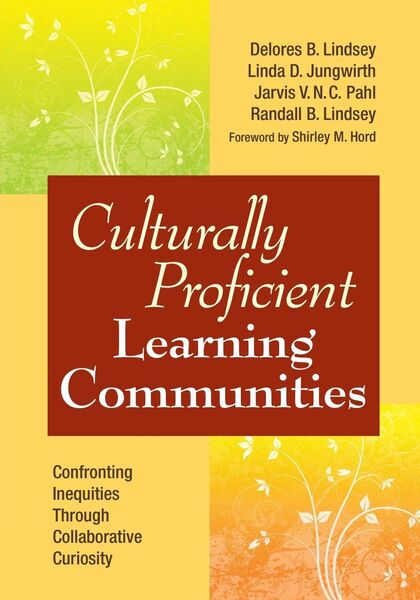
Produktbild: Culturally Proficient Learning Communities

Culturally Proficient Learning Communities Confronting Inequities Through Collaborative Curiosity

45,99 €

inkl. gesetzl. MwSt., Versandkostenfrei


Beschreibung

'Cultural proficiency challenges learning communities to go even deeper when inquiring about student barriers to success. This perspective is necessary to truly address the achievement and expectation gaps in our schools. Before we ask ourselves why our students are not succeeding, we must understand...

Beschreibung

'Cultural proficiency challenges learning communities to go even deeper when inquiring about student barriers to success. This perspective is necessary to truly address the achievement and expectation gaps in our schools. Before we ask ourselves why our students are not succeeding, we must understand and examine our own perceptions and assumptions about them'-Timothy A. Bias, Administrator, Pomona Unified School District, CA

Close the achievement gap with equity-focused professional learning communities!

Professional learning communities (PLCs) can be a powerful force for creating equitable, inclusive schools where all students succeed. Integrating the four Tools of Cultural Proficiency with the PLC framework, this relevant guide offers school leaders, district administrators, and staff developers a collaborative approach to address bias and inequity.

Culturally Proficient Learning Communities discusses the impact of our history on cultural understanding and provides a wealth of practical PLC-building strategies-including assessment and inquiry-driven planning, instructional design, curriculum development, coaching, leadership, and shared decision making. The authors examine the goals, purpose, and process of creating and sustaining equity-focused PLCs through:

- Templates, protocols, activities, and rubrics for deconstructing inequity in student achievement

- Stories, tools, and thinking prompts to guide an inside-out transformation toward cultural proficiency

- An extended example of one school district's journey in becoming a culturally proficient learning community

Schools that view diversity and differences as assets and opportunities will experience stronger holistic growth and increased academic achievement!

Produktdetails

Einband

Taschenbuch

Erscheinungsdatum

03.08.2009

Herausgeber Delores B. Lindsey + weitere
Verlag SAGE Publications

Produktdetails

Einband

Taschenbuch

Erscheinungsdatum

03.08.2009

Herausgeber
Verlag SAGE Publications
Seitenzahl

168

Maße (L/B/H)

25,4/17,8/0,9 cm

Gewicht

329 g

Sprache

Englisch

ISBN

978-1-4129-7228-4

Herstelleradresse

Libri GmbH
Europaallee 1
36244 Bad Hersfeld
DE

Email: gpsr@libri.de

Noch keine Bewertungen vorhanden

Verfassen Sie die erste Bewertung zu diesem Artikel

Helfen Sie anderen Kundinnen und Kunden durch Ihre Meinung.

Kundinnen und Kunden meinen

Bewertungen (0)

  • Produktbild: Culturally Proficient Learning Communities
  • Foreword by Shirley M. Hord
    Preface
    Acknowledgments
    About the Authors
    Part 1. Getting Centered
    1. Getting Centered With the Tools of Cultural Proficiency
    2. Getting Centered With Our History
    3. Getting Centered: The Evolution of Learning Communities
    Part 2. Voices From the Field
    4. Maple View: Sustaining a Culturally Proficient Learning Community
    5. Assessing Cultural Knowledge Through Shared Personal Practice
    6. Valuing Diversity Is a Reflection of Shared Beliefs, Values, and Vision
    7. Managing the Dynamics of Difference Through Collaboration
    8. Adapting to Diversity Through Supportive and Shared Conditions
    9. Institutionalizing Cultural Knowledge Through Collective Learning
    Part 3. Call to Action: Disturb the System Through Curiosity and Inquiry
    10. Aligning Our Behaviors With Our Values
    References
    Index