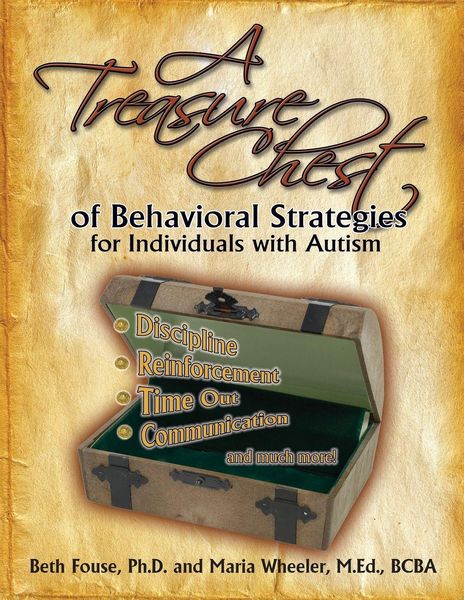
Produktbild: A Treasure Chest of Behavioral Strategies for Individuals with Autism

A Treasure Chest of Behavioral Strategies for Individuals with Autism

Aus der Reihe Future Horizons, Inc

38,99 €

inkl. gesetzl. MwSt., Versandkostenfrei


Beschreibung

Produktdetails

Einband

Taschenbuch

Erscheinungsdatum

01.01.1997

Verlag

Future Horizons

Seitenzahl

448

Maße (L/B/H)

28,2/21,3/2,9 cm

Gewicht

1415 g

Sprache

Englisch

ISBN

978-1-885477-36-1

Beschreibung

Produktdetails

Einband

Taschenbuch

Erscheinungsdatum

01.01.1997

Verlag

Future Horizons

Seitenzahl

448

Maße (L/B/H)

28,2/21,3/2,9 cm

Gewicht

1415 g

Sprache

Englisch

ISBN

978-1-885477-36-1

Herstelleradresse

Libri GmbH
Europaallee 1
36244 Bad Hersfeld
DE

Email: gpsr@libri.de

Noch keine Bewertungen vorhanden

Verfassen Sie die erste Bewertung zu diesem Artikel

Helfen Sie anderen Kundinnen und Kunden durch Ihre Meinung.

Kundinnen und Kunden meinen

Bewertungen (0)

Die Leseprobe wird geladen.
  • Produktbild: A Treasure Chest of Behavioral Strategies for Individuals with Autism
    • I. Impact of Autism Characteristics
    • A. Critical Characteristics Impacting Behavior
    • B. Impact on Home Environment
    • C. Impact on School Environment
    • II. What Does Communication Have to do With Behavior?
    • A. Communication Characteristics
    • B. Suggestions for Addressing Behavior Through Effective Communication Programs
    • C. Alternative Communication
    • D. Assistive Technology and Communication
    • E. Sign Language
    • F. Facilitated Communication
    • III. Sensory Issues and Behavior
    • A. Alertness
    • B. Hypersensitivities
    • C. Hyposensitivities
    • D. Dysfunctions in Specific Sensory Systems
    • E. Interventions for Sensory Issues
    • IV. Physiological Needs That May Impact Behavior
    • A. Medical
    • B. Medication Issues
    • C. Diets and Allergies
    • D. Vitamin Therapy
    • V. Social Skills and Social/Emotional Issues
    • A. Characteristics
    • B. Social Skills Training
    • C. Social Stories
    • D. Social Review
    • E. Comic Strip Conversations
    • F. Books
    • G. Peer Assisted Interventions
    • VI. Structuring the Environment for Success
    • A. Physical Environment
    • B. Routines and Rituals
    • C. Visual Cues
    • D. Schedules
    • E. Include a Sensory Diet
    • VII. Increasing Desired Behaviors
    • A. Functional Analysis
    • B. Antecedent Control
    • C. Self-regulation
    • D. Guidelines for Setting Up and Using a “Safe" Area
    • E. Using Consequences to Change Behaviors
    • F. Reinforcement
    • 1. Reinforcer Assessments
    • 2. Positive Reinforcement
    • 3. Sensory Reinforcers
    • 4. Social Reinforcers
    • 5. Activity Reinforcers
    • 6. Tangible Reinforcers
    • 7. Token Systems
    • 8. Negative Reinforcement
    • G. Developing New Behaviors
    • 1. Task Analysis and Chaining
    • 2. Backward Chaining
    • 3. Successive Approximation
    • H. Compliance Training
    • 1. Effective Cues
    • 2. Three-step Prompting
    • 3. Speak and Spin
    • 4. Lovaas and Other Compliance Training Programs
    • VIII. Decreasing Unwanted Behaviors
    • A. Punishment Versus Negative Consequences
    • B. Ignoring Misbehavior
    • C. Differential Reinforcement
    • D. Behavioral Momentum
    • E. Time-Out
    • 1. TOOTS
    • 2. Contingent Observation
    • 3. Isolated Time-Out
    • 4. Exclusionary Time-Out
    • 5. Delayed Time Loss
    • F. Response Cost
    • IX. Crisis Management and Other Special Problems
    • A. Early Warning Signs
    • B. Managing Meltdowns or Catastrophic Reactions
    • C. Aggression
    • 1. Verbal Aggression
    • 2. Physical Aggression
    • 3. Self-injurious Behavior
    • D. Temper Tantrums
    • E. Self-stimulatory Behaviors
    • F. Running Away
    • G. Dramatic Exits
    • H. Safety Issues
    • I. Pica
    • J. Climbing
    • K. Other Special Problems
    • 1. Feeding Issues
    • 2. Stripping and Disrobing
    • 3. Masturbation
    • 4. Toilet Training
    • 5. Sleep Problems
    • 6. Obsessions and Compulsions
    • 7. Fixations
    • X. Discipline Procedures and Behavior Intervention Plans
    • A. 1997 Amendments to IDEA
    • B. Behavior Intervention Plans
    • C. Common Mistakes Made by School Districts
    • D. Level Systems
    • XI. Putting It All Together
    • A. Observations
    • B. Behavior Descriptions
    • C. Measuring Progress
    • D. Reporting Information
    • E. Program Changes
    • F. Generalization Training
    • G. Fading Intervention
    • XII. Stress Management
    • XIII. Final Gems
    • Appendices
    • A. Behavior Intervention Plans
    • B. Data Collection Forms
      C. Resources
      Glossary
    • References