Gutscheinbedingungen

**Gültig bis 06.07.2026 auf fremdsprachige Bücher online auf thalia.at, in der Thalia App ab einem Mindestbestellwert von 30€ und in allen Thalia Buchhandlungen in Österreich. In den Buchhandlungen nur gültig auf lagernde Ware. Einzelne Artikel können ausgeschlossen sein. Ausgenommen sind preisgebundene Artikel & eBooks. Pro Einkauf einmal einlösbar. Nur gültig gegen Vorlage oder im Onlineshop hinterlegter Bonuscard. Infos zur Einlösung in der Buchhandlung sind auf der Bonuscard-Vorteilspreisseite zu finden. Click & Collect nur bei Onlinevorabzahlung möglich. Keine Einlösung bei Scan & Go-Bezahlung. Keine Barauszahlung. Nicht kombinierbar mit anderen Aktionen und Gutscheinen. Gutschein wird auf max. 500€ Bestellwert angerechnet. Nicht gültig für Versandkosten und Services.

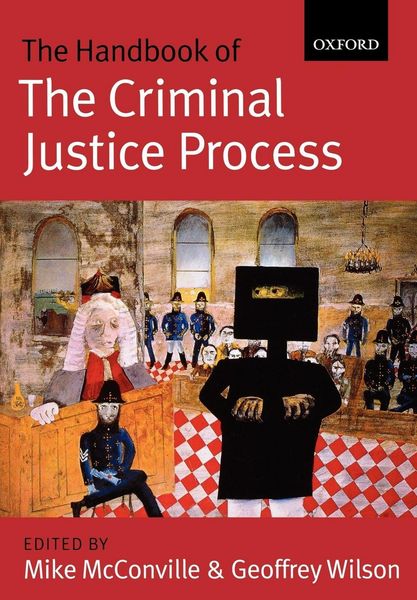
Produktbild: The Handbook of the Criminal Justice Process

The Handbook of the Criminal Justice Process

98,99 €

inkl. gesetzl. MwSt., Versandkostenfrei


Beschreibung

Produktdetails

Einband

Taschenbuch

Erscheinungsdatum

12.09.2002

Herausgeber

McConville Mike + weitere

Verlag

Oxford University Press

Seitenzahl

608

Maße (L/B/H)

24,4/17/3,2 cm

Gewicht

1081 g

Sprache

Englisch

ISBN

978-0-19-925395-1

Beschreibung

Produktdetails

Einband

Taschenbuch

Erscheinungsdatum

12.09.2002

Herausgeber

Verlag

Oxford University Press

Seitenzahl

608

Maße (L/B/H)

24,4/17/3,2 cm

Gewicht

1081 g

Sprache

Englisch

ISBN

978-0-19-925395-1

Herstelleradresse

Produktsicherheitsverantwortliche/r
Europaallee 1
36244 Bad Hersfeld
DE

Email: gpsr@libri.de

Noch keine Bewertungen vorhanden

Verfassen Sie die erste Bewertung zu diesem Artikel

Helfen Sie anderen Kundinnen und Kunden durch Ihre Meinung.

Kundinnen und Kunden meinen

Bewertungen (0)

  • Produktbild: The Handbook of the Criminal Justice Process
    • Preface

    • Introduction

    • 1: Professor Robin White: The Structure and Organization of Criminal Justice in England and Wales: An Overview

    • 2: Professor Robert Reiner: The Organization and Accountability of the Police

    • 3: Dr Satnam Choongh: Police Investigative Powers

    • 4: Sybil Sharpe: Covert Surveillance and the Use of Informants

    • 5: Professor Mike Maguire: Regulating the Police Station: the Case of the Police and Criminal Evidence Act 1984

    • 6: Professor Ed Cape: Assisting and Advising Defendants Before Trial

    • 7: Dr Anthea Hucklesby: Bail in Criminal Cases

    • 8: Professor Lee Bridges: The Right to Representation and Legal Aid

    • 9: Professor Andrew Sanders: The System of Prosecution

    • 10: Rob Allen: Alternatives to Prosecution

    • 11: Professor Sir John Smith QC: Evidence in Criminal Cases

    • 12: Roger Leng: The Exchange of Information and Disclosure

    • 13: John Sprack: Publicity Surrounding the Trial

    • 14: Professor Jenny McEwan: Special Measures for Witnesses and Victims

    • 15: Dr Paul Roberts: Science, Experts and Criminal Justice

    • 16: Dr Penny Darbyshire: Magistrates

    • 17: Mr Stephen Solley QC: The Role of the Advocate

    • 18: Sir Philip Otton: The Role of the Judge in Criminal Cases

    • 19: Professor John Jackson: The Adversary Trail and Trial by Judge Alone

    • 20: Professor Mike McConville: Plea Bargaining

    • 21: Professor Sean Doran: Trial by Jury

    • 22: Ms Nicola Padfield: Juvenile Justice

    • 23: Professor Mike Levi: Economic Crime

    • 24: Professor Ronnie MacKay: Mentally Abnormal Offenders - Disposal and Criminal Responsibility Issues

    • 25: Dr David Thomas QC: The Sentencing Process

    • 26: Professor Rosemary Pattenden: Criminal Appeals: The Purpose of Criminal Appeals

    • 27: Professor Clive Walker: Miscarriages of Justice and the Correction of Error

    • 28: Dr Carolyn Hoyle and Dr Richard Young: Restorative Justice: Assessing the Prospects and Pitfalls

    • 29: Professor Keith Bottomley: Research, Statistics and Knowledge of Crime