Gutscheinbedingungen

**Gültig bis 06.07.2026 auf fremdsprachige Bücher online auf thalia.at, in der Thalia App ab einem Mindestbestellwert von 30€ und in allen Thalia Buchhandlungen in Österreich. In den Buchhandlungen nur gültig auf lagernde Ware. Einzelne Artikel können ausgeschlossen sein. Ausgenommen sind preisgebundene Artikel & eBooks. Pro Einkauf einmal einlösbar. Nur gültig gegen Vorlage oder im Onlineshop hinterlegter Bonuscard. Infos zur Einlösung in der Buchhandlung sind auf der Bonuscard-Vorteilspreisseite zu finden. Click & Collect nur bei Onlinevorabzahlung möglich. Keine Einlösung bei Scan & Go-Bezahlung. Keine Barauszahlung. Nicht kombinierbar mit anderen Aktionen und Gutscheinen. Gutschein wird auf max. 500€ Bestellwert angerechnet. Nicht gültig für Versandkosten und Services.

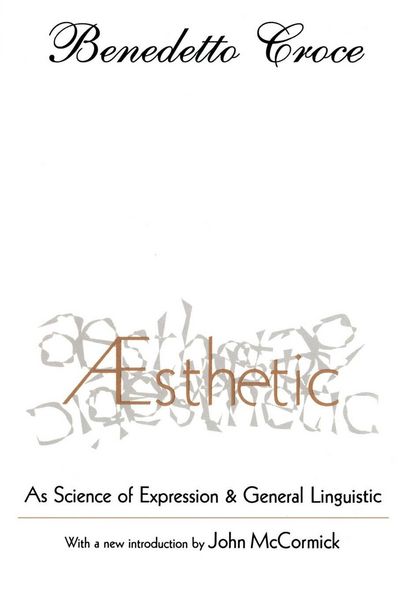
  • Produktbild: Aesthetic
  • Produktbild: Aesthetic

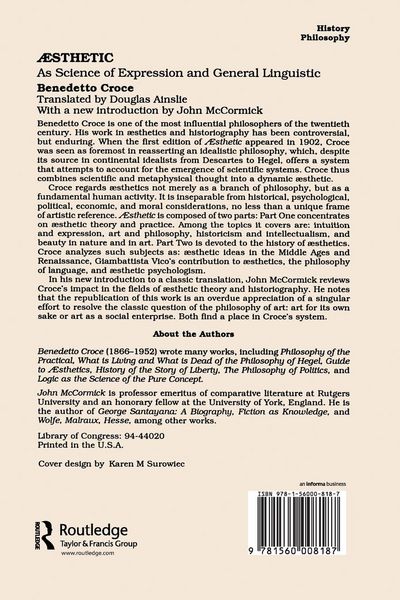
Aesthetic As Science of Expression and General Linguistic

88,99 €

inkl. gesetzl. MwSt., Versandkostenfrei


Beschreibung

Produktdetails

Einband

Taschenbuch

Erscheinungsdatum

15.04.1994

Herausgeber

Benedetto Croce

Verlag

Taylor and Francis

Seitenzahl

502

Maße (L/B/H)

22,9/15,2/2,8 cm

Gewicht

930 g

Sprache

Englisch

ISBN

978-1-56000-818-7

Beschreibung

Produktdetails

Einband

Taschenbuch

Erscheinungsdatum

15.04.1994

Herausgeber

Benedetto Croce

Verlag

Taylor and Francis

Seitenzahl

502

Maße (L/B/H)

22,9/15,2/2,8 cm

Gewicht

930 g

Sprache

Englisch

ISBN

978-1-56000-818-7

Herstelleradresse

Produktsicherheitsverantwortliche/r
Europaallee 1
36244 Bad Hersfeld
DE

Email: gpsr@libri.de

Noch keine Bewertungen vorhanden

Verfassen Sie die erste Bewertung zu diesem Artikel

Helfen Sie anderen Kundinnen und Kunden durch Ihre Meinung.

Kundinnen und Kunden meinen

Bewertungen (0)

Die Leseprobe wird geladen.
  • Produktbild: Aesthetic
  • Produktbild: Aesthetic
  • I: Theory of Æsthetic; I: Intuition and Expression; II: Intuition and Art; III: Art and Philosophy; IV: Historicism and Intellectualism in Æsthetic; V: Analogous Errors in the Theory of History and in Logic; VI: The Theoretic Activity and the Practical Activity; VII: Analogy Between the Theoretic and the Practical; VIII: Exclusion of Other Spiritual Forms; IX: Indivisibility of Expression Into Modes or Degrees and Criticism of Rhetoric; X: Æsthetic Feelings and the Distinction Between the Beautiful and the Ugly; XI: Criticism of Æsthetic Hedonism; XII: The Æsthetic of the Sympathetic and Pseudo-Æsthetic Concepts; XIII: The “Physically Beautiful” in Nature and in Art; XIV: Errors Arising from the Confusion Between Physics and Æsthetic; XV: The Activity of Externalization. Technique and the Theory of the Arts; XVI: Taste and the Reproduction of Art; XVII: The History of Literature and Art; XVIII: Conclusion: Identity of Linguistic and Æsthetic; II: History of Æsthetic; I: Æsthetic Ideas in GræCo-Roman Antiquity; II: Æesthetic Ideas in the Middle Ages and Renaissance; III: Ferments of Thought in the Seventeenth Century; IV: Æesthetic Ideas in the Cartesian and Leibnitian Schools, And the “Æsthetic” of Baumgarten; V: Giambattista Vico; VI: Minor Æsthetic Doctrines of the Eighteenth Century; VII: Other Æsthetic Doctrines of the Same Period; VIII: Immanuel Kant; IX: The Æsthetic of Idealism: Schiller, Schelling, Solger, Hegel; X: Schopenhauer and Herbart; XI: Friedrich Schleiermacher; XII: The Philosophy of Language: Humboldt and Steinthal; XIII: Minor German Æstheticians; XIV: Æsthetic in France, England and Italy During the First Half of the Nineteenth Century; XV: Francesco De Sanctis; XVI: Æsthetic of the Epigoni; XVII: Æsthetic Positivism and Naturalism; XVIII: Æsthetic Psychologism and Other Recent Tendencies; XIX: Historical Sketches of Some Particular Doctrines; I: Rhetoric: Or the Theory of Ornate Form; II: History of the Artistic and Literary Kinds; III: The Theory of the Limits of the Arts; IV: Other Particular Doctrines; Bibliographical Appendix