Beschreibung
Produktdetails
Einband
Taschenbuch
Erscheinungsdatum
26.10.1995
Verlag
Elsevier Health ScienceSeitenzahl
224
Maße (L/B/H)
23,4/16,4/1,1 cm
Gewicht
411 g
Sprache
Englisch
ISBN
978-0-7506-8926-7
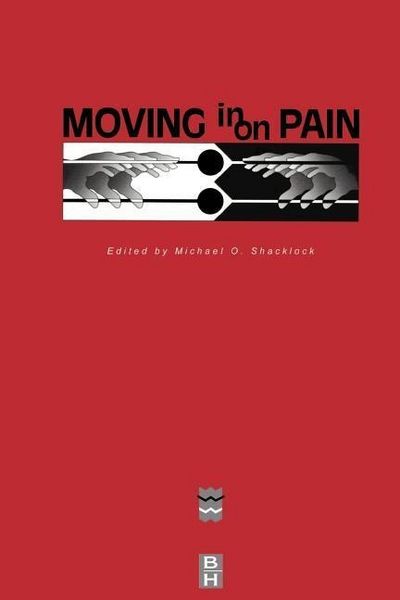
As the first multidisciplinary gathering organised by physiotherapists addressing exclusively the issue of pain, the conference has, through presentations and workshops, served as a unique update in pain management, and includes contributions from such as * Emeritus Prof. Patrick Wall (University of London)
* Prof. Michael Cousins (Royal North Shore Hospital and Sydney University
* Associate Prof. George Mendelson (Caulfield General Medical Centre and Monash University The selected papers andthe commentary on the `Images of Pain' art exhibition together form a benchmark of the state of contemporary pain research and thinking, and is an invaluable read for any health professional dealing with pain and its treatment.
* Prof. Michael Cousins (Royal North Shore Hospital and Sydney University
* Associate Prof. George Mendelson (Caulfield General Medical Centre and Monash University The selected papers andthe commentary on the `Images of Pain' art exhibition together form a benchmark of the state of contemporary pain research and thinking, and is an invaluable read for any health professional dealing with pain and its treatment.
Noch keine Bewertungen vorhanden
Verfassen Sie die erste Bewertung zu diesem Artikel
Helfen Sie anderen Kundinnen und Kunden durch Ihre Meinung.
Kurze Frage zu unserer Seite
Vielen Dank für Ihr Feedback
Wir nutzen Ihr Feedback, um unsere Produktseiten zu verbessern. Bitte haben Sie Verständnis, dass wir Ihnen keine Rückmeldung geben können. Falls Sie Kontakt mit uns aufnehmen möchten, können Sie sich aber gerne an unseren Kund*innenservice wenden.
zum Kundenservice