Gutscheinbedingungen

**Gültig bis 02.09.2026 auf fremdsprachige Bücher in der Thalia App. Einzelne Artikel können ausgeschlossen sein. Ausgenommen sind preisgebundene Artikel & eBooks. Pro Einkauf einmal einlösbar. Click & Collect nur bei Onlinevorabzahlung möglich. Keine Barauszahlung. Nicht kombinierbar mit anderen Aktionen und Gutscheinen. Gutschein wird auf max. 500€ Bestellwert angerechnet. Nicht gültig für Geschenkkarten, Versandkosten und Services.

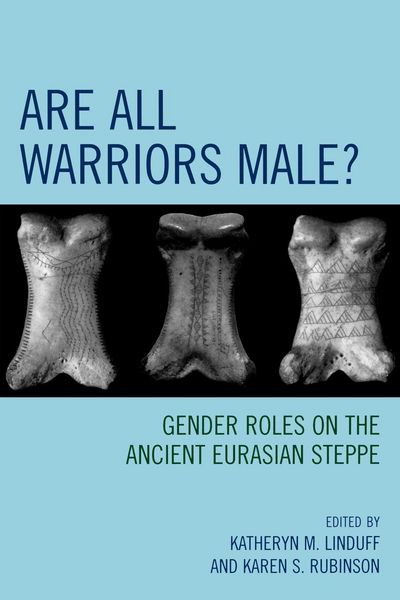
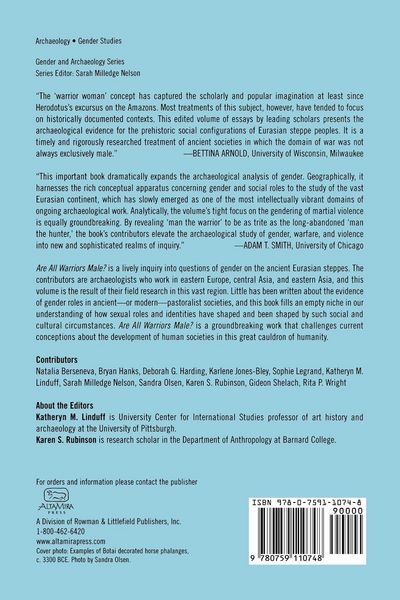
  • Produktbild: Are All Warriors Male?
  • Produktbild: Are All Warriors Male?

Are All Warriors Male? Gender Roles on the Ancient Eurasian Steppe

Aus der Reihe Gender and Archaeology

83,99 €

inkl. gesetzl. MwSt., Versandkostenfrei


Beschreibung

Produktdetails

Einband

Taschenbuch

Erscheinungsdatum

13.03.2008

Herausgeber

Katheryn M. Linduff + weitere

Verlag

AltaMira Press

Seitenzahl

294

Maße (L/B/H)

22,9/15,2/1,6 cm

Gewicht

429 g

Sprache

Englisch

ISBN

978-0-7591-1074-8

Beschreibung

Produktdetails

Einband

Taschenbuch

Erscheinungsdatum

13.03.2008

Herausgeber

Verlag

AltaMira Press

Seitenzahl

294

Maße (L/B/H)

22,9/15,2/1,6 cm

Gewicht

429 g

Sprache

Englisch

ISBN

978-0-7591-1074-8

Herstelleradresse

Libri GmbH
Europaallee 1
36244 Bad Hersfeld
DE

Email: gpsr@libri.de

Noch keine Bewertungen vorhanden

Verfassen Sie die erste Bewertung zu diesem Artikel

Helfen Sie anderen Kundinnen und Kunden durch Ihre Meinung.

Kundinnen und Kunden meinen

Bewertungen (0)

Die Leseprobe wird geladen.
  • Produktbild: Are All Warriors Male?
  • Produktbild: Are All Warriors Male?
  • Chapter 1 Foreword
    Chapter 2 Introduction: The Nature of Nomads, Cultural Variation, and Gender Roles Past and Present
    Part 3 Part I: The Warrior Culture: Myth and Identity
    Chapter 4 1. Reconsidering Warfare, Status, and Gender in the Eurasian Steppe Iron Age
    Chapter 5 2. Arma Feminamque Cano: Warrior Women in the Indo-European World
    Chapter 6 3. Tillya Tepe: Aspects of Gender and Cultural Identity
    Part 7 Part II: Horses and the Gendering of Identity on the Steppe and Beyond
    Chapter 8 4. Women's Attire and Possible Sacred Role in 4th Millennium Northern Kazakhstan
    Chapter 9 5. He Who Eats the Horse, She Who Rides It? Symbols of Gender Identity on the Eastern Edges of the Eurasian Steppe
    Chapter 10 6. Horses and Gender in Korea: The Legacy of the Steppe on the Edge of Asia
    Part 11 Part III: Marriage, Families, and Death on the Steppe
    Chapter 12 7. Women and Children in the Sargat Culture
    Chapter 13 8. Sorting Out Men and Women in the Karasuk Culture
    Chapter 14 9. The Gender of Luxury and Power among the Xiongnu in Eastern Eurasia