Gutscheinbedingungen

**Gültig bis 25.06.2026 auf fremdsprachige Bücher online auf thalia.at und in der Thalia App. Einzelne Artikel können ausgeschlossen sein. Ausgenommen sind preisgebundene Artikel & eBooks. Pro Einkauf einmal einlösbar. Click & Collect nur bei Onlinevorabzahlung möglich. Keine Barauszahlung. Nicht kombinierbar mit anderen Aktionen und Gutscheinen. Gutschein wird auf max. 500€ Bestellwert angerechnet. Nicht gültig für Geschenkkarten, Versandkosten und Services.

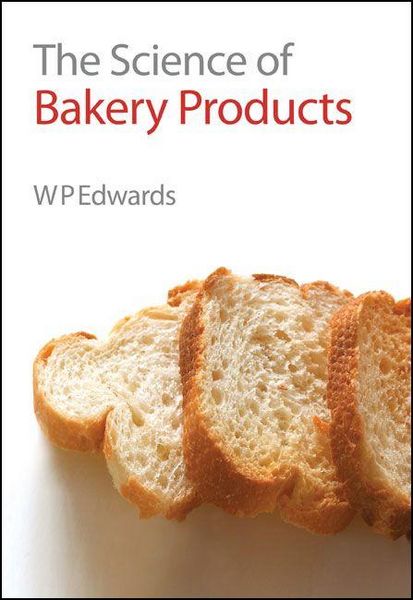
  • Produktbild: Science of Bakery Products
  • Produktbild: Science of Bakery Products

Science of Bakery Products

39,99 €

inkl. gesetzl. MwSt., Versandkostenfrei


Beschreibung

Produktdetails

Einband

Taschenbuch

Erscheinungsdatum

01.06.2007

Verlag

Royal Society of Chemistry

Seitenzahl

259

Maße (L/B/H)

23,2/16/2,1 cm

Gewicht

550 g

Sprache

Englisch

ISBN

978-0-85404-486-3

Beschreibung

Produktdetails

Einband

Taschenbuch

Erscheinungsdatum

01.06.2007

Verlag

Royal Society of Chemistry

Seitenzahl

259

Maße (L/B/H)

23,2/16/2,1 cm

Gewicht

550 g

Sprache

Englisch

ISBN

978-0-85404-486-3

Herstelleradresse

Libri GmbH
Europaallee 1
36244 Bad Hersfeld
DE

Email: gpsr@libri.de

Kundinnen und Kunden meinen

0 Bewertungen

Informationen zu Bewertungen

Zur Abgabe einer Bewertung ist eine Anmeldung im Konto notwendig. Die Authentizität der Bewertungen wird von uns nicht überprüft. Wir behalten uns vor, Bewertungstexte, die unseren Richtlinien widersprechen, entsprechend zu kürzen oder zu löschen.

Die Bewertungen sind nach Format, Anzahl Sterne und Datum sortiert.

Verfassen Sie die erste Bewertung zu diesem Artikel

Helfen Sie anderen Kund*innen durch Ihre Meinung

Kundinnen und Kunden meinen

0 Bewertungen filtern

Weitere Artikel finden Sie in

Die Leseprobe wird geladen.
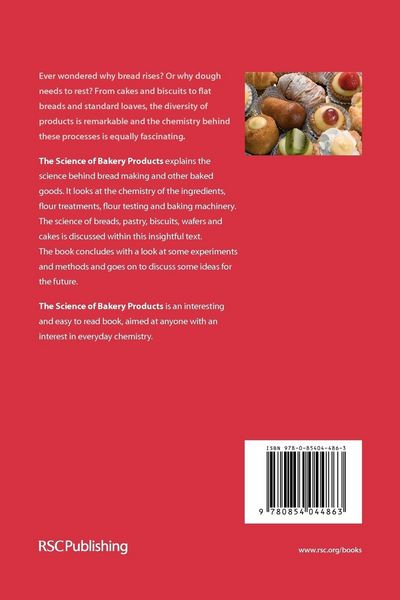
  • Produktbild: Science of Bakery Products
  • Produktbild: Science of Bakery Products
  • Chapter 1: Introduction; 1.1: History; 1.2: Language and Units; 1.3: Food Law; 1.3.1:Bread and Food Law; 1.3.2: Health and Safety; Chapter 2: Science; 2.1: Basic Science; 2.1.1: Stability; 2.1.2: Water Activity; 2.1.3: The Equilibrium Relative Humidity; 2.1.4: The Dew Point; 2.2: Colligative Properties; 2.2.1: Boiling Points; 2.2.2: Measuring Vacuum; 2.3: pH; 2.4: Polarimetry; 2.5: The Maillard Reaction; 2.5.1: Sulfur-containing Amino Acids; 2.5.2: Products from Proline; 2.5.3: Strecker Aldehydes; 2.6: Densimetry; 2.7: Refractive Index; 2.8: Buffers; 2.9: Analytical Chemistry; 2.9.1: Water Content; 2.9.2: Sugar Analysis; 2.10: Emulsions; 2.11: The Chemistry of Oils and Fats; 2.11: Classifications of Fatty Acids; 2.11.2: The Hydrogenation of Fats and Oils; 2.11.3: Fat Specifications; 2.11.4: Deterioration of Fats; 2.12: Water Migration; 2.12.1: Barrier Methods; 2.12: Matching the Water Activity; 2.13; The Science of Proteins; 2.13.1: History; 2.13.2: Classification of Cereal Proteins; 2.13.3: Glutenins; 2.14: The Science of Starch; 2.14.1: Gelatinization; 2.14.2: Retrogradation; 2.14.3: Starch Molecules; 2.14.4: A Comparison of the Structure of Amylose and Amylopectin; 2.14.5: Modified Starches; 2.15: Nutrition; 2.15.1: Nutritional Needs; 2.15.2: Food Groups; 2.15.3: The Glycemic; Index: 2.15.4:Trace Elements; 2.15.5: Vitamins; 2.15.6: Nutritional Labelling; 2.16: Food Allergy and Intolerance; 2.16.1: Immunoglobulin E (IgE)-mediated Food Allergies; 2.16.2: Cell-mediated Food Allergies; 2.16.3: Food Intolerance; 2.17: The Science of Aerated Products; 2.17.1: Making the Bubbles or Leavening; 2.17.2: Stabilising the Foam; 2.17.3: Fat in Bread; Chapter 3: Raw Materials; 3.1: Grains; 3.1.1: Wheat; 3.1.2: Barley; 3.1.3: Rye; 3.1.4: Maize; 3.1.5: Dried Gluten; 3.1.6: Soy Beans; 3.1.7: Margarine; 3.2: Milling; 3.3: Grades of Flour; 3.3.1; Top Grade; 3.3.2: Baker's Grade; 3.3.3: Baker's Grade; 3.3.4: Euro Baker's Grade; 3.4: Types of Flour; 3.4.1: Chorleywood Bread Flour; 3.4.2: Patent Flours; 3.4.3: Soft Flours; 3.4.4: Wholemeal Flours; 3.4.5: Brown Flour; 3.4.6: Low Moisture Flour; 3.5: Leavening Agents ; 3.5.1: Air; 3.5.2: Water or Steam; 3.5.3 Yeast; 3.5.4: Chemical Leavening; 3.6: Flour Treatments; 3.6.1: Introduction; 3.6.2: Wholemeal Flour; 3.6.3: Bleaching; 3.6.4: Oxidative Improvers; 3.6.5: Reducing Agents; 3.6.6: Cake Flours; 3.6.7: Sources of Enzymes; 3.6.8: Potassium Bromate Health and Legislation; 3.7: Starch Excluding Flour; 3.8: Fats; 3.8.1: Fat-containing Ingredients; 3.8.2: Emulsifiers in Bread; 3.9: Emulsifiers; 3.9.1: Foams; 3.9.2: Lecithin; 3.9.3: Sucrose Esters E473; 3.9.4: Eggs; 3.9.5: Uses of Emulsifiers in Bakery Products; 3.10: Colours; 3.10.1: Technical Requirements of Colours in Bakery Products; 3.10.2: Synthetic Colours; 3.10.3: Natural Colours; 3.11: Falvours; 3.11.1: Natural Flavours; 3.11.2: The Image of Natural Products; 3.11.3: Nature Identical Flavourings; 3.11.4: Synthetic Flavours; 3.11.5: Dosing; 3.11.6: Developments in Flavours; 3.12 Antioxidants; 3.12.1: Synthetic Antioxidants; 3.12.2: Tocopherols; 3.13: Sugars; 3.13.1: Molasses and Treacle; 3.13.2: Invert Sugar; 3.13.3: Glucose Syrup (Corn Syrup); 3.13.4: Fructose; 3.13.5: Dextrose; 3.13.6: Lactose; 3.14: Dairy Ingredients; 3.14.1: Sweetened Condensed Milk; 3.14.2: Evaporated Milk (Unsweetened Condensed Milk); 3.14.3: Milk Powder; 3.14.4: Butter; 3.14.5: Butter Oil (Anhydrous Milk Fat); 3.14.6: Whey; 3.14.7: Vegetable Fats; 3.15: Gums and Gelling Agents or Hydrocolloids 3.15.1: Agar Agar E406; 3.15.2: Alginates E401; 3.15.3: Carrageenan; 3.15.4: Gelatine; 3.15.5: Gellan Gum (E418); 3.15.6: Gum Acacia also known as Gum Arabic E414; 3.15.7: Guar Gum; 3.15.8: Pectin; 3.15.9: Starch; 3.15.10: Locust Bean or Carob Bean Gum; 3.15.11: Xanthan Gum; 3.15.12: Egg Albumen; Chapter 4: Analytical Chemistry; 4.1: Introduction; 4.2: Methods; 4.2.1: The Kjeldahl Method; 4.2.2: Near-infrared Spectroscopy; 4.2.3: Water Measurement: Fat Content; 4.2.4: Chromatography; Chapter 5: Flour Testing; 5.1: Introduction; 5.1.1: Analytical tests; 5.1.2: Empirical tests; 5.1.3: Test Baking; 5.2: Empirical Testing Regimes; 5.2.1: The Haberg Falling Number; 5.2.2: Chopin Alveograph; 5.2.3: Brabender Instruments; 5.2.4: The Mixograph; 5.2.5: The Grade Colour; 5.2.6: The Sodium Dodecyl Sulfate (SDS) Test; 5.2.7: The Cookie Flour Test; Chapter 6: Bakery Machinery; 6.1: Introduction; 6.2: Mixing; 6.2.1: Bread Dough Mixers; 6.2.2: Biscuit Dough Mixers; 6.2.3: Cake Mixers; 6.2.4: Pastry Mixers; 6.3: Measuring and Weighing Ingredients; 6.4: Proving and Retarding; 6.5: Shaping and Panning; 6.6: Scaling; 6.7: Baking; 6.8: Extrusion; 6.8.1: Classification of Extruders; 6.8.2: Extrusion Cooking; Chapter 7: Bread Making; 7.1: The Chemistry of Dough Development; 7.2: The Making of Bread; 7.2.1: Unleavened Bread; 7.2.2: Sour Dough Bread; 7.2.3: Bulk Fermentation; 7.2.4: Sponge Batter or Sponge Dough of Flour Brew; 7.2.5: Chorleywood Bread Process; 7.2.6: Activated Dough Development (ADD); 7.2.7: The Spiral Mixer Process; 7.2.8:Other Mechanical Dough Developments Methods; 7.2.9: Continuous Processes; 7.2.10: Emergency No Time Process; 7.2.11: Gas Injection Process; 7.2.12: Part-baked Loaves; 7.2.13: French Bread; 7.3: Other Breads; 7.3.1: Brown and Wholemeal; 7.3.2: Wheatgerm Breads; 7.3.3: High Protein Breads; 7.3.4: High Fibre and Multi-grain Breads; 7.3.5: Soft Grain Breads; 7.3.6: Ethnic Multigrain Breads; 7.3.7: Slimming and Health High Fibre Breads; 7.3.8: Bread with Added Malt Grains; 7.3.9: Bread Containing Cereals other than Wheat; 7.3.10 Crispbread; 7.3.11: Bread for Special Dietry Needs; 7.3.12: War and famine Breads; 7.4: Other Variants of Bread; 7.4.1: Flat Breads; 7.4.2: Pitta Bread; 7.4.3: Muffins; 7.4.4: Crumpets; 7.4.5: Pizza; 7.4.7: Rich Dough Products; 7.4.8: Hot Cross Buns; 7.4.9: Danish Pastries; 7.4.10: Pretzels; 7.4.11: Not Baked; Chapter 8: Products Other Than Bread; 8.1: Puff Pastry; 8.1.1: Methods; 8.1.2: Types of Flour; 8.1.3: The Type of Fat; 8.1.4: Additives; 8.1.5: Re-work; 8.2: Short Pastry; 8.3: Hot Water Pastry; 8.4: Science of Biscuits; 8.4.1: Flour for Biscuits; 8.4.2: Fats; 8.4.3: Sugars; 8.4.4: Milk and Other Dairy Ingredients; 8.4.5: Other Cereal Ingredients; 8.4.6: Mixing Biscuits; 8.4.7: Types of Dough; 8.4.8: Shaping Biscuits; 8.4.9: Baking Biscuits; 8.4.10: Packaging; 8.5: Science of Wafers; 8.5.1: Raising Agents; 8.5.2: Flour for Wafers; 8.5.3: Production Process; 8.5.4: Maturing Wafers; 8.6: Cakes; 8.6.1: Introdcution; 8.6.2: Shelf Life; 8.6.3: Rich Fruit Cakes; 8.6.4: Long-life Sponge cakes; 8.6.5: Making Sponge Cakes; 8.6.6: A Comparison of Cake Making Methods; 8.7: Miscellaneous Chemically Leavened Products; 8.7.1: Doughnuts; 8.7.2: Eclairs; 8.7.3: French Crullers; 8.7.4: Soda Bread; Chapter 9: Bread-making Experiments; 9.1: Introduction; 9.2: Health and Safety; 9.3: Yield; 9.4: Loaf testing; 9.4.1: Tasting; 9.5: Bread making; 9.5.1: Recipe; 9.5.2: Straight Method; 9.5.3: Proving; 9.5.4: Knock Back; 9.5.5: Scaling and Dividing; 9.5.6: Second Proving; 9.5.7: Baking; 9.6: Sponge Batter; 9.6.1; Proving; 9.7: Variations to the Recipe; 9.7.1: Variation 1: Compare the Effect of Leaving out the Sugar; 9.7.2: Variation 2: Compare the Effect of Using Vegetable Oil Instead of Hard Fat; 9.7.3: Variation 3: Compare the Effect of Using No Fat Instead of Hard Fat; 9.7.4: Variation 4 Leave Out the Salt; 9.7.5 Variation 5: Proving in the Sponge Batter Method; 9.7.6: Variation 6: Hand Mixing vs Machine Mixing; 9.7.7: Variation 7: Comparison of Two Different Flours; 9.7.8: Variation 8: Testing Different Levels of Water Addition; 9.7.9: Variation 9: Wholemeal Flours; 9.8: Report Writing; Chapter 10: The Future; 10.1: General Outlook; 10.2: Dietary Trends; Glossary; Bibliography; Subject Index