Gutscheinbedingungen

**Gültig bis 06.07.2026 auf fremdsprachige Bücher online auf thalia.at, in der Thalia App ab einem Mindestbestellwert von 30€ und in allen Thalia Buchhandlungen in Österreich. In den Buchhandlungen nur gültig auf lagernde Ware. Einzelne Artikel können ausgeschlossen sein. Ausgenommen sind preisgebundene Artikel & eBooks. Pro Einkauf einmal einlösbar. Nur gültig gegen Vorlage oder im Onlineshop hinterlegter Bonuscard. Infos zur Einlösung in der Buchhandlung sind auf der Bonuscard-Vorteilspreisseite zu finden. Click & Collect nur bei Onlinevorabzahlung möglich. Keine Einlösung bei Scan & Go-Bezahlung. Keine Barauszahlung. Nicht kombinierbar mit anderen Aktionen und Gutscheinen. Gutschein wird auf max. 500€ Bestellwert angerechnet. Nicht gültig für Versandkosten und Services.

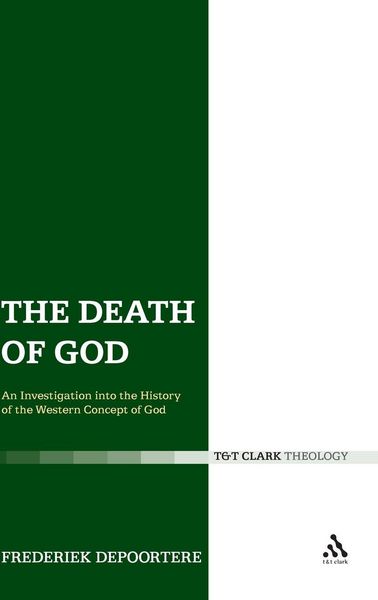
  • Produktbild: The Death of God
  • Produktbild: The Death of God

The Death of God An Investigation into the History of the Western Concept of God

231,99 €

inkl. gesetzl. MwSt., Versandkostenfrei


Beschreibung

Produktdetails

Einband

Gebundene Ausgabe

Erscheinungsdatum

28.02.2008

Verlag

Bloomsbury 3PL

Seitenzahl

220

Maße (L/B/H)

24/16,1/1,7 cm

Gewicht

499 g

Sprache

Englisch

ISBN

978-0-567-03272-0

Beschreibung

Produktdetails

Einband

Gebundene Ausgabe

Erscheinungsdatum

28.02.2008

Verlag

Bloomsbury 3PL

Seitenzahl

220

Maße (L/B/H)

24/16,1/1,7 cm

Gewicht

499 g

Sprache

Englisch

ISBN

978-0-567-03272-0

Herstelleradresse

Libri GmbH
Europaallee 1
36244 Bad Hersfeld
DE

Email: gpsr@libri.de

Noch keine Bewertungen vorhanden

Verfassen Sie die erste Bewertung zu diesem Artikel

Helfen Sie anderen Kundinnen und Kunden durch Ihre Meinung.

Kundinnen und Kunden meinen

Bewertungen (0)

  • Produktbild: The Death of God
  • Produktbild: The Death of God
  • Introduction: Have We Taken Nietzsche Seriously Enough?

    Nietzsche's Proclamation of the Death of God Revisited

    1. Who (or What) Is Dead When God Has Died?

    2. God, the Ultimate Foundation

    3. The Death of God: The End of All Foundations

    4. Conclusion: The End of Transcendence

    Elements from the History of the Western Concept of God from its Greek Origins until the Fourteenth Century

    1. The Origins of the Western Concept of God in Pre-Socratic Philosophy

    2. The God of Plato, Aristotle, the Stoics and the Platonists after Plato

    a. God in Plato's Philosophy

    b. God in Aristotle's Philosophy

    c. God in Stoic Philosophy

    d. God in the Philosophy of the Platonists after Plato

    e. Conclusion: The Legacy of Greek Natural Theology

    3. Augustine's Synthesis of Neoplatonism and Biblical Faith

    4. The Medieval Synthesis: From Augustine to Aquinas

    5. The Breakdown of the Medieval Synthesis

    6. Summary

    Descartes, Divine Omnipotence, and the Theological Origins of Modernity

    1. Divine Omnipotence in the Bible

    2. Divine Omnipotence in the Patristic Era

    3. Divine Omnipotence in the Christian Philosophy of the Middle Ages

    a. Divine Omnipotence within the Limits of God's Nature (Peter Damian and Anselm of Canterbury)

    b. The World as a Necessary Emanation from the Good (Peter Abelard)

    c. Meeting Abelard's Challenge: The Distinction between God's Ordained Power and His Absolute Power

    4. The Theological Origins of Modernity Evaluated

    a. Gillespie's Thesis Questioned

    b. An Alternative Explanation of Descartes's Deceiving God

    c. Divine Omnipotence in Descartes: The Doctrine of the Creation of the Eternal Truths

    5. Summary and Conclusion

    4. Modern Science and the Disappearance of God from Western Culture

    1. From Analogy to Univocity: The Beginning of the End for God in the West?

    2. The Emergence of the Concept of Natura Pura in Scholastic Thought

    a. The Problematization of the Natural Desire to See God

    b. A New Understanding of the Causal Relation between God and Creation

    c. Conclusion

    3. Personal Immortality and the Autonomy of Natural Philosophy

    4. Protestantism, Biblical Literalism and the Rise of Modern Science

    5. Modern Science and the Problematization of God's Presence

    6. The Dialectical Origins of Modern Atheism

    Luther, Hegel, and the Death of God

    1. The Origins of the Phrase 'God Is Dead!' in Lutheran Theology

    a. The Chalcedonian Definition of the Faith

    b. The Doctrine of the Communicatio Idiomatum

    c. Luther's Re-interpretation of the Communicatio Idiomatum

    2. The Meaning of the Phrase 'God Himself Is Dead' in Hegel

    a. Enlightenment Philosophy and 'the Feeling that God Himself Is Dead'

    b. 'The Feeling that God Himself Is Dead' as Basis of 'the Religion of More Recent Times'

    c. 'The Feeling that God Himself Is Dead' as an Inducement to Philosophy to Transform Itself

    3. The Death of God: From Luther to Nietzsche via Hegel

    4. Protestantism and the Rise of Modern Atheism: A Note on the Relevance of the Theme of the Death of God

    General Conclusion