Gutscheinbedingungen

**Gültig bis 25.06.2026 auf fremdsprachige Bücher online auf thalia.at und in der Thalia App. Einzelne Artikel können ausgeschlossen sein. Ausgenommen sind preisgebundene Artikel & eBooks. Pro Einkauf einmal einlösbar. Click & Collect nur bei Onlinevorabzahlung möglich. Keine Barauszahlung. Nicht kombinierbar mit anderen Aktionen und Gutscheinen. Gutschein wird auf max. 500€ Bestellwert angerechnet. Nicht gültig für Geschenkkarten, Versandkosten und Services.

  • Produktbild: From Surviving to Thriving
  • Produktbild: From Surviving to Thriving

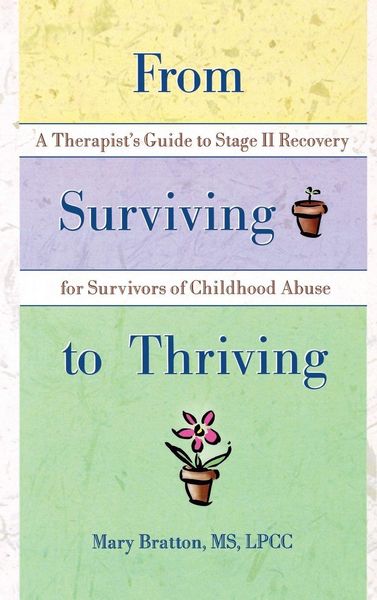
From Surviving to Thriving A Therapist's Guide to Stage II Recovery for Survivors of Childhood Abuse

215,99 €

inkl. gesetzl. MwSt., Versandkostenfrei


Beschreibung

Produktdetails

Einband

Gebundene Ausgabe

Erscheinungsdatum

13.11.1998

Verlag

Taylor and Francis

Seitenzahl

296

Maße (L/B/H)

23,5/15,7/2,1 cm

Gewicht

710 g

Sprache

Englisch

ISBN

978-0-7890-0255-6

Beschreibung

Produktdetails

Einband

Gebundene Ausgabe

Erscheinungsdatum

13.11.1998

Verlag

Taylor and Francis

Seitenzahl

296

Maße (L/B/H)

23,5/15,7/2,1 cm

Gewicht

710 g

Sprache

Englisch

ISBN

978-0-7890-0255-6

Herstelleradresse

Libri GmbH
Europaallee 1
36244 Bad Hersfeld
DE

Email: gpsr@libri.de

Kundinnen und Kunden meinen

0 Bewertungen

Informationen zu Bewertungen

Zur Abgabe einer Bewertung ist eine Anmeldung im Konto notwendig. Die Authentizität der Bewertungen wird von uns nicht überprüft. Wir behalten uns vor, Bewertungstexte, die unseren Richtlinien widersprechen, entsprechend zu kürzen oder zu löschen.

Die Bewertungen sind nach Format, Anzahl Sterne und Datum sortiert.

Verfassen Sie die erste Bewertung zu diesem Artikel

Helfen Sie anderen Kund*innen durch Ihre Meinung

Kundinnen und Kunden meinen

0 Bewertungen filtern

Die Leseprobe wird geladen.
  • Produktbild: From Surviving to Thriving
  • Produktbild: From Surviving to Thriving
  • Contents Preface

    • Part I: The Framework for Healing
    • Chapter 1. The Therapeutic Agenda
    • The Dynamics of Trauma
    • Stage II Recovery
    • Eight Stages of Healing
    • The Survivor's Internal Experience
    • Diagnostic Issues
    • Techniques and Strategies
    • Boundaries
    • The Therapist's Role
    • The Trauma Therapist
    • Chapter 2. Defining Assault
    • Chapter 3. Challenging the Distorted Reality
    • The Role of Family Dysfunction
    • The Price of Altered Reality
    • Dysfunction Redefines Reality
    • Dysfunction Redefines Abuse
    • Dysfunction Redefines Feelings
    • Role Reversal
    • Abuse Plus Dysfunction Equals Destruction
    • Chapter 4. Using the PTSD Diagnosis as a Therapeutic Intervention
    • Post-Traumatic Stress Disorder
    • Physical Responses to Trauma
    • Emotional Responses to Trauma
    • Chronic Shock
    • Legacies of Assault and Post-Traumatic Stress Disorder
    • Physical Hypervigilance
    • Emotional Hypervigilance
    • Blurred Boundaries and Global Guilt
    • Vulnerability to Repeated Violation
    • Two Personalities in One Body
    • Origins of Adult Child Issues
    • Learning to Ignore External Reality
    • Blaming Self
    • Detachment
    • Reframing Pathology
    • Chapter 5. The Survivor's Internal Experience
    • Splitting the Self
    • Pieces of the Puzzle
    • Three Core Personas
    • Chapter 6. The Adult
    • The Origins of the Adult
    • The Adult As Parent
    • Owning Self-Parenting Skills
    • Chapter 7. The Child
    • The Origins of the Child
    • Reconnecting with the Child
    • Chapter 8. The Destroyer
    • The Origins of the Destroyer
    • Family Rules
    • Family Labels
    • The Destroyer's Sabotage
    • The Many Disguises of the Destroyer
    • Challenging the Destroyer
    • Chapter 9. Understanding the Brilliance of Childhood Defenses
    • Dissociation
    • Forgetting and Fantasy
    • Choosing Abuse Versus Abandonment
    • Self-Punishment
    • Ritual
    • Phobias
    • Family Roles
    • Family Rules and Myths
    • Considering Change
    • Part II: The Process of Healing
    • Chapter 10. Recounting
    • Blaming Is Not Healing
    • Understanding Is Not Healing
    • Forgiveness Is Not Necessary
    • The Importance of Recounting
    • Roadblocks to Telling
    • Roadblocks to Believing
    • The Nature of Traumatic Memories
    • Chapter 11. Rediscovering the Child
    • Alternate Hand Journaling
    • The Process of Remembering
    • Moving Deeper
    • The Language of the Child
    • Combination of Fact and Feeling Memory
    • Chapter 12. Rediscovering the Feelings
    • Learning to Feel
    • Scaling Feelings
    • Drawing Feelings
    • Disguised and Hidden Feelings
    • Expressing Feelings
    • The Importance of Anger
    • Chapter 13. Continuing to Heal
    • Chapter 14. Reparenting to Resolve Trauma
    • Discharging the Feelings
    • Adding Healthy Parenting
    • Using the Split Personas
    • Resolution Fantasy
    • The Dawning of Integration
    • Declaring Independence
    • The Power of Resolution Fantasy
    • Chapter 15. Repairing Developmental Damage
    • Considering Direct Confrontation
    • Setting Limits
    • Anger at the Colluders
    • Layers of Abuse
    • Punished for Being Normal
    • Projection
    • Faulty Belief System
    • Challenging the Belief System
    • Identifying and Grieving What Was Missed
    • Letting Go of the Fantasy
    • Reparenting Through Grief
    • Filling in the Gaps
    • Building Bridges and Fences
    • The Survivor As Parent
    • Recognizing Ongoing Abuse
    • Blocks to Recovery
    • The Child Resists Healing
    • The Destroyer Fights Healing
    • Cycles of Healing
    • Chapter 16. The End of Healing
    • Identifying Skills and Strengths
    • Integrating and Transforming Childhood Defenses
    • Releasing the Anger
    • Integrating and Transforming History Integrating and Transforming Feelings
    • Integrating and Transforming the Destroyer
    • Integrating and Transforming the Child
    • Spirituality
    • Becoming Whole
    • Letting Go of the Surv