KI-Beratung Beta

Gutscheinbedingungen

**Gültig am 27.11.2026 auf Spielzeug, Schreibwaren, Filme, Geschenke & Trends, Musik, tolino eReader & Zubehör, Hörbücher und Hörbuch-Downloads, nicht preisgebundene Bücher und Kalender online auf thalia.at und in der Thalia App. Einzelne Artikel können ausgeschlossen sein. Aufgrund der Buchpreisbindung sind deutschsprachige Bücher und eBooks ausgenommen. Zusätzlich ausgenommen sind Abos & Flatrates, Games, Geschenkkarten/-boxen, Shelfies, Software, Zeitschriften sowie einzelne Artikel von tonies®. Pro Einkauf einmal einlösbar. Click & Collect nur bei Onlinevorabzahlung möglich. Keine Barauszahlung. Nicht kombinierbar mit anderen Aktionen und Gutscheinen. Gutschein wird auf max. 500€ Bestellwert angerechnet. Nicht gültig für Versandkosten und Services.

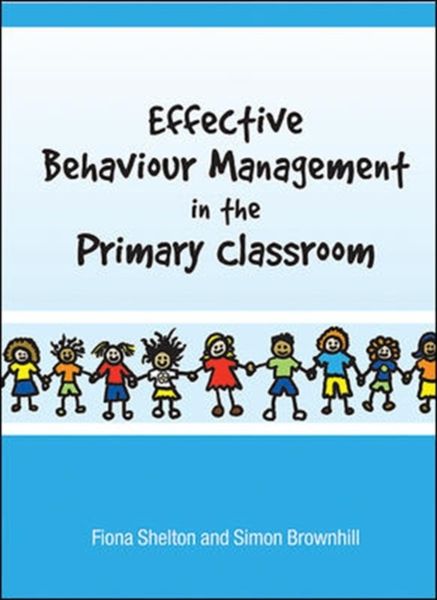
Produktbild: Effective Behaviour Management in the Primary Classroom

Effective Behaviour Management in the Primary Classroom

39,99 €

inkl. gesetzl. MwSt., Versandkostenfrei


Beschreibung

Learn a range of effective behaviour management techniques for your classroom!

Successful teaching and learning requires a thorough understanding of how to implement a range of effective behaviour management approaches, strategies and philosophies. It is not only essential to put be able to put these...

Beschreibung

Learn a range of effective behaviour management techniques for your classroom!

Successful teaching and learning requires a thorough understanding of how to implement a range of effective behaviour management approaches, strategies and philosophies. It is not only essential to put be able to put these approaches into practice, but also have an understanding of the reasoning behind the behaviour and the underlying theoretical perspectives to maintain an effective working environment.

Through the use of case studies, reflective tasks and examples from the classroom this book generates a new approach to the 'hows' and 'whys' of behaviour management in the primary school. With its interactive style of discussion, debate, reflection and analysis, it supports and develops classroom practice to ease the stresses and strains of those entering the teaching profession - and those already with experience.

There are a range of interactive features in each chapter including:THINK - take a moment to contemplate an element of text, an idea or a strategy
REFLECT - encourages you to critically analyze and relate ideas to your own practice
CONSIDERATIONS - draws attention to alternative approaches and thinking that you might like to incorporate into your own teaching strategies

The chapters explore issues such as behaviour phases at different ages, how to convert policy into practice, and creative approaches to behaviour management. The approach is both supportive and reassuring, offering positive suggestions for continually improving and developing practice.

Effective Behaviour Management in the Primary Classroom is a key resource for all students on Initial Teacher Training courses and Early Years Foundation/Childhood Studies degrees and primary practitioners.

Produktdetails

Einband

Taschenbuch

Erscheinungsdatum

01.05.2009

Verlag Mcgraw Hill Higher Education
Seitenzahl

184

Produktdetails

Einband

Taschenbuch

Erscheinungsdatum

01.05.2009

Verlag Mcgraw Hill Higher Education
Seitenzahl

184

Maße (L/B/H)

23,8/16,9/1,5 cm

Gewicht

353 g

Sprache

Englisch

ISBN

978-0-335-22541-5

Herstelleradresse

Libri GmbH
Europaallee 1
36244 Bad Hersfeld
DE

Email: gpsr@libri.de

Noch keine Bewertungen vorhanden

Verfassen Sie die erste Bewertung zu diesem Artikel

Helfen Sie anderen Kundinnen und Kunden durch Ihre Meinung.

Kundinnen und Kunden meinen

Bewertungen (0)

  • Produktbild: Effective Behaviour Management in the Primary Classroom
  • Chapter One: What is your philosophy?
    Chapter Two: Putting the practice into theory
    Chapter Three: Behaviour phases through the ages
    Chapter Four: Emotional Intelligence and Emotional Literacy
    Chapter Five: Policy into practice
    Chapter Six: Creative approaches to behaviour management
    Chapter Seven: Using the Arts to guide behaviour
    Chapter Eight: Behavioural partnerships
    Chapter Nine: Looking Forward
    References